
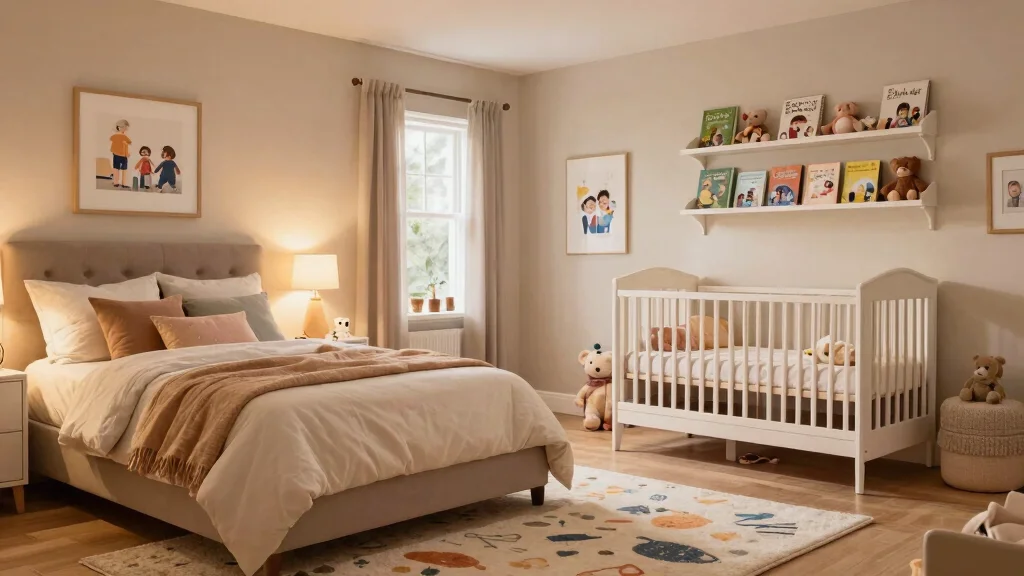
Creating a harmonious living space is no easy feat, especially when you’re juggling the needs of both adults and little ones. The idea of a bedroom with nursery shared master bed often surfaces as a practical solution for parents who want to keep their children close at night while maintaining personal space. This post aims to explore smart, loving layouts that accommodate everyone, allowing you to create a cozy retreat for your family.
If you’re a parent or caregiver who’s battling limited space and looking for ways to design shared bedrooms, this guide is for you. You care about having a functional environment that is welcoming, stylish, and safe for your children. Finding room designs that cater to both adults and infants can often feel overwhelming, but it doesn’t have to be.
In this post, you’ll discover 18 clever ideas that strike a balance between aesthetics and functionality. From creative nursery decor ideas to space-saving furniture solutions, these smart layouts will inspire you to transform your shared space into a family-friendly haven. Get ready to explore innovative options that will make your shared master bedroom both practical and beautiful.
Key Takeaways
– Cozy Corner Crib: Create a dedicated crib area that maximizes comfort while ensuring safety. Position it near your bed for easy access during nighttime.
– Dual-Purpose Furniture: Invest in furniture that serves multiple functions, like a bed with storage drawers or a changing table that doubles as a dresser.
– Color Coordination: Use a consistent color palette to unify the space. Soft, calming colors can make the room feel larger and more inviting.
– Creative Wall Storage: Take advantage of wall space with shelves or hooks. This keeps the floor clear and provides easy access to toys and essentials.
– Thoughtful Room Layout: Plan the room layout to facilitate movement and accessibility. Ensure pathways are clear for both adults and children, making it easier to navigate the space.
1. Cozy Corner Crib
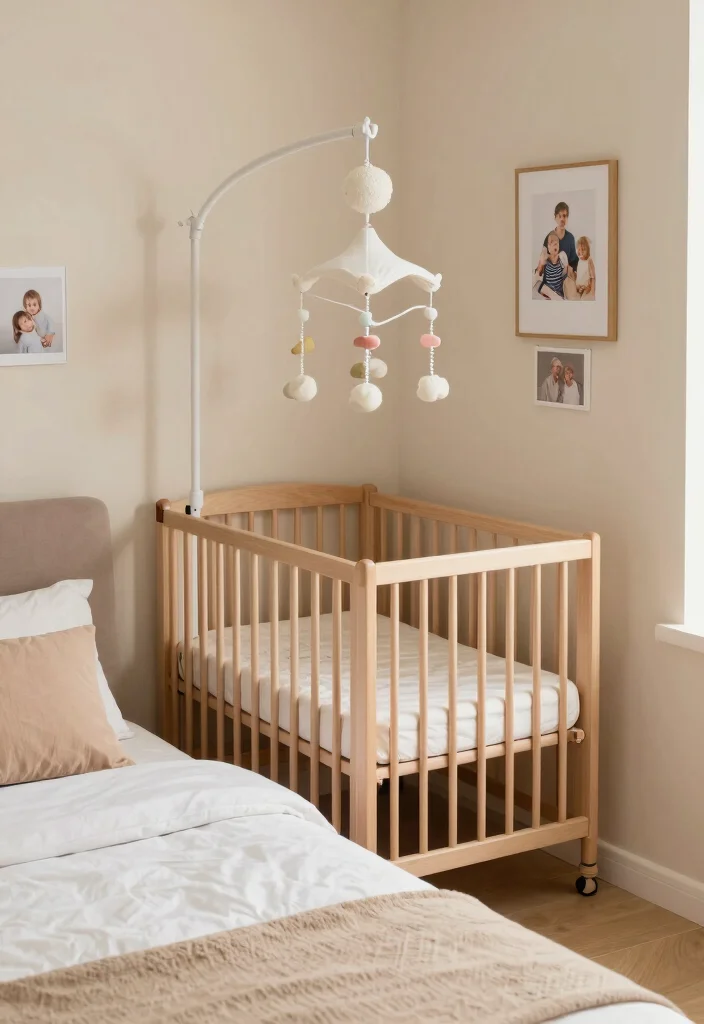
The Cozy Corner Crib design is perfect for maximizing space in your shared bedroom by placing the crib snugly in a corner. This arrangement creates a cozy nook for your baby while maintaining an open area for your needs. A stylish crib with built-in storage underneath offers functionality without compromising style. Decorate this corner with inviting wall art that complements the room’s overall theme, resulting in a harmonious atmosphere.
To make the most of this design, ensure easy access to the crib for late-night feedings and diaper changes. Look for budget-friendly options like wall art from local artists or printed fabric to match your decor. This setup not only saves space but also promotes a warm and intimate environment for both you and your child.
Consider these key features:
– Ensure the crib meets all safety standards for peace of mind.
– Position the crib close to your bed for easy access during nighttime.
– Add soft lighting or a mobile to create an inviting feel.
This thoughtful layout fosters a cozy atmosphere, where textures and colors blend beautifully, enhancing the overall design.

5-IN-1 CONVERTIBLE CRIB: Converts from baby crib (mattress sold separately) to toddler bed (toddler guardrail sold separately), daybed, and full-size bed with headboard & optional footboard (conversion kit sold separately); Assembly required

For your convenience the trucking company will personally contact you to select a date and time that suits your schedule
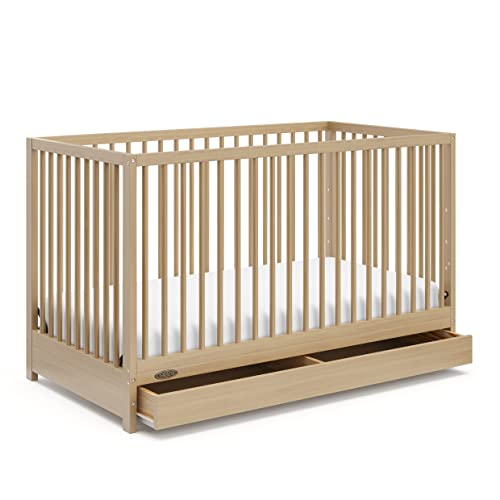
CLEAN, TIMELESS DESIGN— VERSATILE, EASY-TO-MATCH STYLE: The Teddi features clean lines, timeless details, and an easy-to-match versatile design making it the perfect addition to any nursery
2. Dual-Purpose Furniture
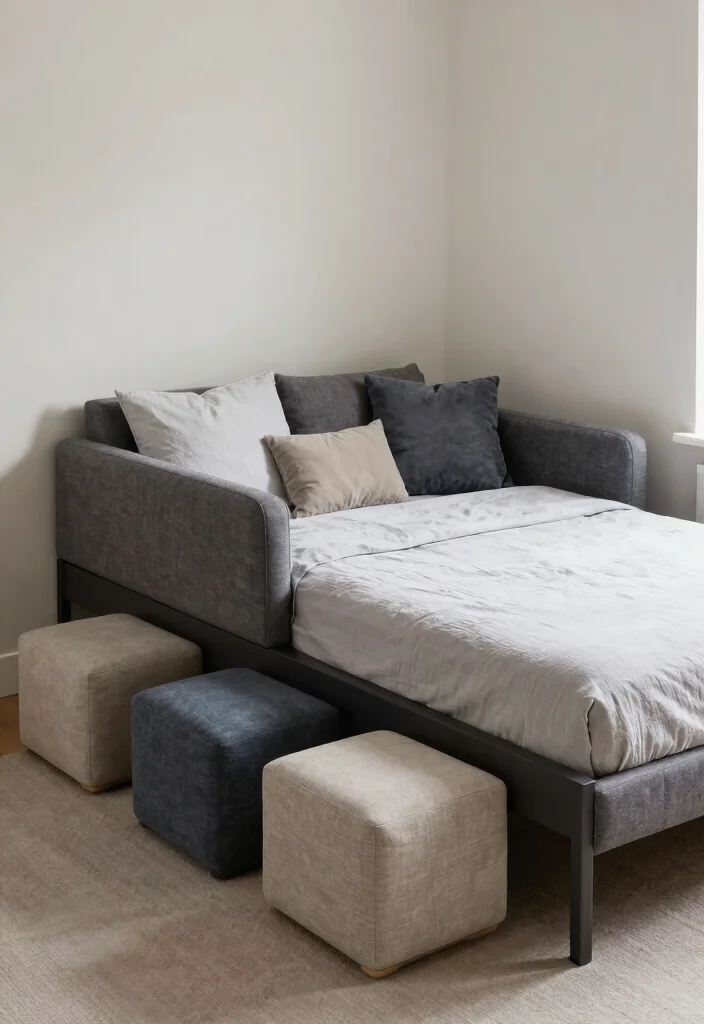
In smaller spaces, dual-purpose furniture becomes essential for maximizing utility. A stylish daybed can serve as a cozy sofa during the day and transform into a sleeping area at night. Look for items like ottomans with hidden storage to keep your room organized while fulfilling multiple functions. This approach allows both you and your child to enjoy a comfortable, practical living space.
To implement this idea, consider investing in a lofted bed that frees up space underneath for play or study areas. A convertible crib can also be a wise choice, allowing you to adapt as your child grows. Dual-purpose furniture not only optimizes your layout but also enhances the chic aesthetic of your shared bedroom.
Here are some unique ideas:
– Choose bunk beds with a play area underneath.
– Invest in a convertible crib that transitions to a toddler bed.
This clever use of furniture creates an open feel while keeping your space stylish and functional.

Under-the-bed storage bag (2-pack) helps keep items safely stored, freeing up extra closet and drawer space

daVinci 4-in-1 Convertible Mini Crib that Grows with Your Baby: Transitions from crib to mini toddler bed, daybed, & twin-size bed. Hassle-free assembly ensures smooth conversions. (Mini toddler conversion kit No. M20399 & twin-size conversion kit No. M5789 sold separately)

【3-in-1 Convertible Design - Grows With Your Child】This versatile kids bed transforms into 3 different forms to suit your child's growth stages: Stage 1 - Full-enclosed crib with all-around guardrails for infants; Stage 2 - kids bed with partial guardrails for young kids; Stage 3 - Open daybed without guardrails for older kids and teens. It adapts from kidshood to childhood, eliminating the need to buy multiple beds!
3. Color Coordination
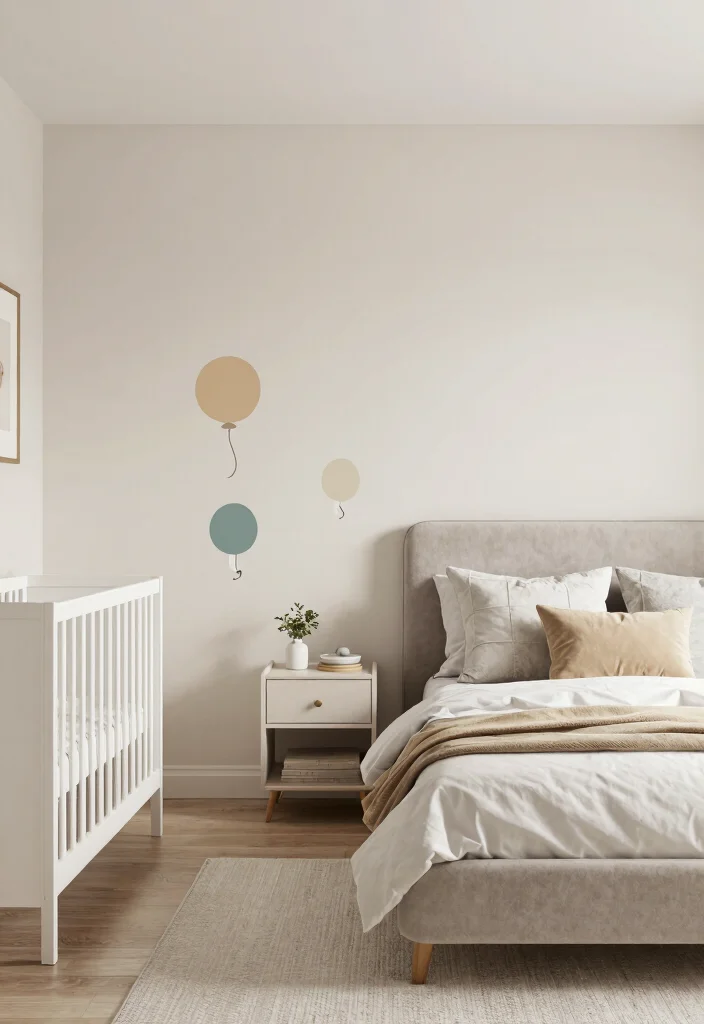
Color coordination is a simple yet effective way to achieve a cohesive look in your shared bedroom. By selecting a harmonious palette that merges softer nursery hues with bolder accents from the master area, you can create an inviting and spacious feel. Consider using wall decals or removable wallpaper in the nursery that ties back to the master bed’s colors for a seamless transition.
To implement this, start with a neutral base using soft whites or beiges that serve as a calming backdrop. Accentuate with colorful throws, cushions, and toys to add personality without overwhelming the space. A well-coordinated color scheme not only enhances visual appeal but also promotes a serene atmosphere perfect for winding down.
Here are some tips for success:
– Select a neutral base to create a calming foundation.
– Use colorful elements to brighten areas without cluttering.
This inviting palette fosters a peaceful environment, encouraging relaxation and comfort for everyone.

Strong and sturdy wood construction

Patent Design and Safety Materials: USPTO Patent Approved and BOLUO baby dresser are tested at third-party,accredited laboratories to meet or exceed all applicable category voluntary and mandatory safety standards

Large Nursery Changing Station: This multi-functional Baby dresser features a spacious top with dedicated divided compartments, ideal for organizing wipes, diapers, creams, and other essentials within arm’s reach during quick diaper changes. The raised safety rails add extra security, while the wide surface easily accommodates a standard changing pad(changing pad not included), keeping your baby safe and comfortable
4. Creative Wall Storage
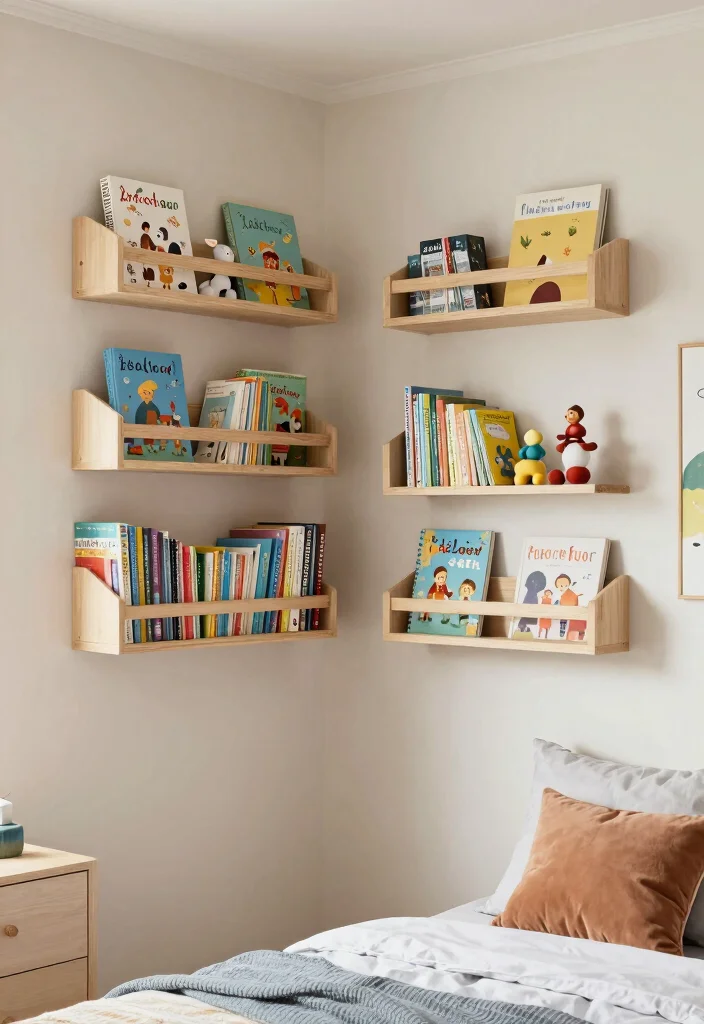
Maximizing vertical space is crucial in a shared bedroom, especially when accommodating a nursery. Installing floating shelves or wall-mounted organizers keeps toys, books, and essentials neatly arranged and off the floor. This not only liberates floor space but also adds a touch of decor to your walls. A well-organized room simplifies nighttime routines and enhances the overall ambiance.
To achieve effective wall storage, choose pieces that are both functional and stylish. Ensure items are easily accessible for both parents and children, promoting independence. By elevating storage solutions, you maintain a tidy and inviting atmosphere throughout the space.
Explore these benefits of wall storage:
– Save floor space for play and movement.
– Ensure accessibility for quick reach by all.
With creative wall storage, your room transforms into a stylish storage haven that remains organized and appealing.

High-Quality Wood: Crafted from premium hardwood, our wall-mounted bookshelf ensures durability and a long-lasting finish, making it a reliable addition to any child's room

【UPGRADE DAMAGE-FREE REMOVAL】We understand that you are worry about damaging your wall when remove the shelf, now look here, our WALfuyao bedside wall organizer will make the removal fast and no harm at all! We upgrade the tapes for especially renters and dorm students.
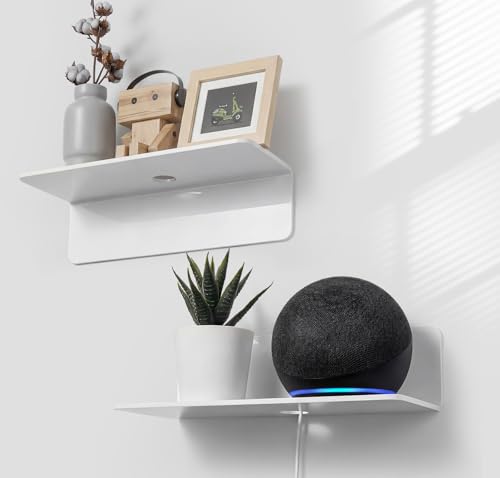
PROFESSIONAL QUALITY: The white floating shelves are made of high-quality acrylic with sturdy double-sided tape that is very reliable to hold up to 8 pounds.
5. Nursery Nook
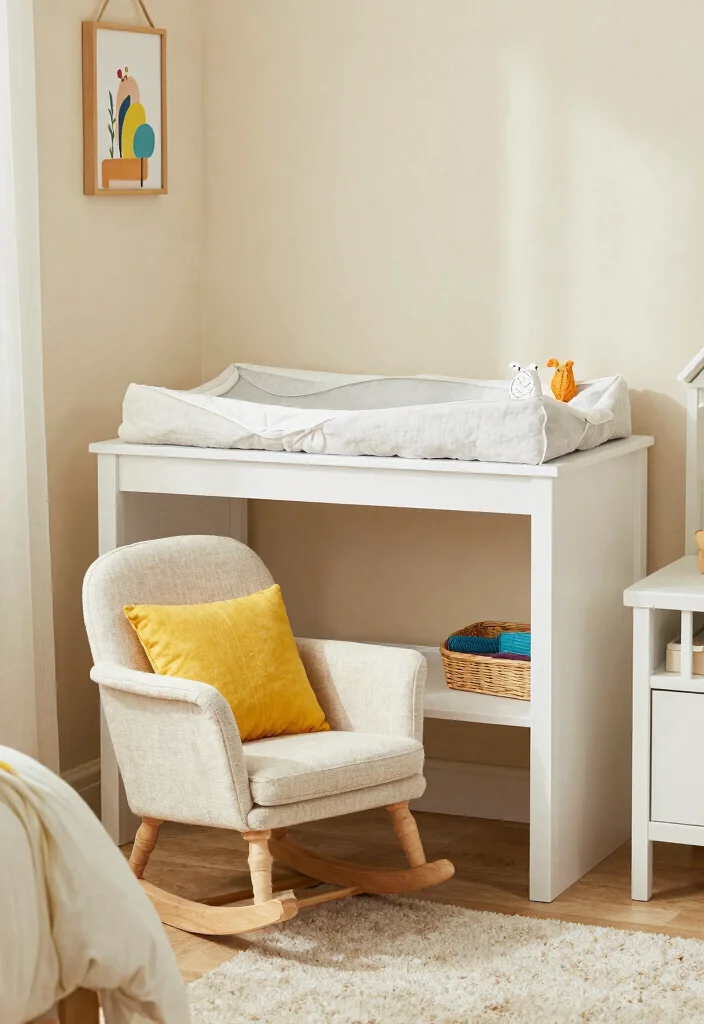
Creating a nursery nook within your shared room can blend functionality with charm. Imagine a snug corner featuring a small rocking chair for feedings and a compact changing table, defining an area for your little one. This separation allows for a distinct nursery feel while keeping it conveniently close to your sleeping space. Adorn the nook with soft textiles and delightful accessories to evoke warmth and welcome.
To enhance this area, include a cushioned chair perfect for reading and bonding during feedings. Consider using a small cart or drawer for quick access to baby supplies, ensuring everything is within reach. A dedicated nursery nook not only fosters ease in parenting but also creates a beautiful and comforting environment for you and your baby.
Keep these essential tips in mind:
– Include comfortable seating for those special moments.
– Use accessible storage for baby essentials.
This cozy nook enhances the joy of parenting, providing a beautiful space for connection.

Safety Certifications: The mini crib mattress meets the 16 CFR 1632 /1633 and 16 CFR 1241 Federal Flammability tests

OEKO-TEX STANDARD 100 CERTIFIED COVER: Features a premium, soft, OEKO-TEX STANDARD 100 Certified baby crib mattress cover. OEKO-TEX STANDARD 100 keeps you and your family safe by testing against a list of over 1,000 harmful substances.
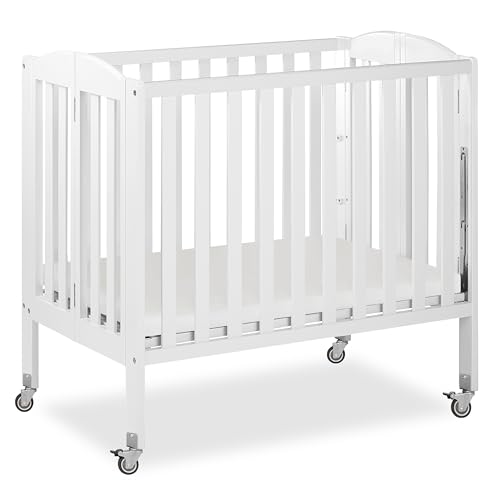
One Crib, Three Functions- The Dream On Me 3-in-1 Folding Portable Crib grows with your little one—serving as a crib, playpen, and changing station all in one. A practical and space-saving choice, it’s ideal for families, daycare centers, and grandparents’ homes.
6. Open Play Space
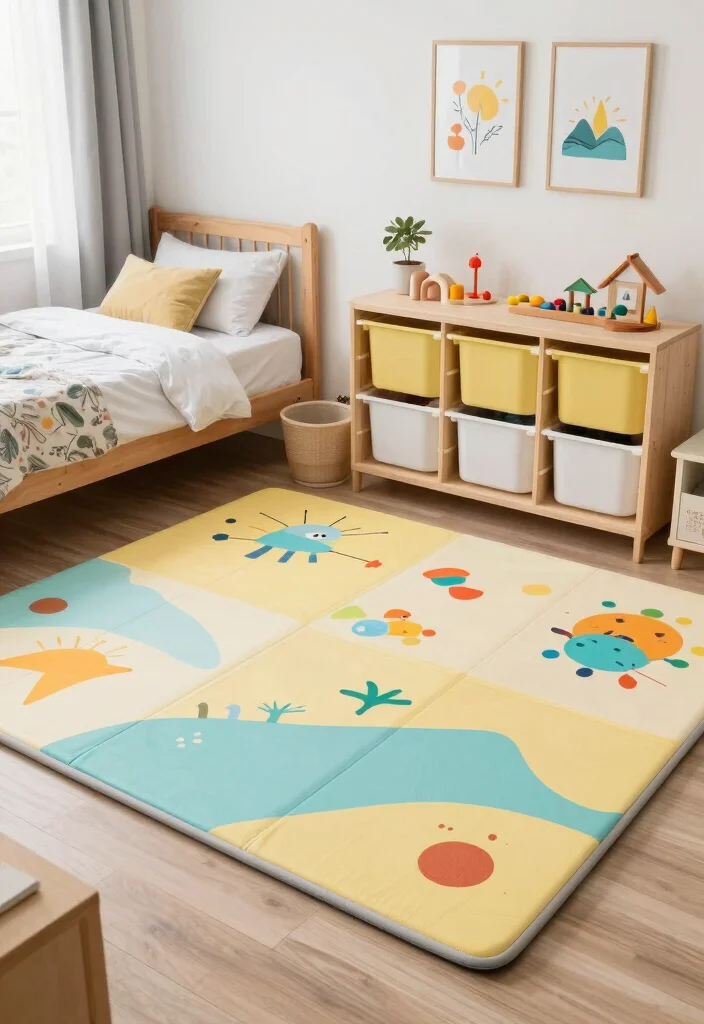
Incorporating an open play space in your shared bedroom adds fun and practicality. Designate an area for toys and creative activities where your child can explore freely. Consider using soft play mats or rugs to create a comfortable surface for sitting and playing. This layout allows for easy supervision while you relax in the main part of the room.
To enhance your play space, utilize bins or baskets for organized toy storage, making cleanup a breeze. Adding interactive elements like a chalkboard wall or inspiring wall decals can spark creativity and engagement. This kid-friendly area blends seamlessly with your overall design, promoting exploration and imaginative play.
Here are some suggestions for a play space:
– Use toy storage solutions for easy organization.
– Incorporate interactive elements to inspire creativity.
This playful area maintains a stylish aesthetic while encouraging your child’s development.

TIMELESS, CLEAN DESIGN— VERSATILE, EASY-TO-MATCH STYLE: The Graco Hadley 5-in-1 Convertible Crib and Changer with Drawer features clean lines, timeless details, and an easy-to-match versatile design making it the perfect addition to any nursery

3-IN-1 CONVERTIBLE CRIB: Converts from baby crib (mattress included) to toddler bed (compatible toddler guardrail kit sold separately), and daybed; Assembly required

4-IN-1 CONVERTIBLE CRIB: Crib converts to a toddler bed, daybed, and sofa (Daybed and Sofa Rails included; Toddler Guardrail #W173727 sold separately)
7. Shared Closet Solutions
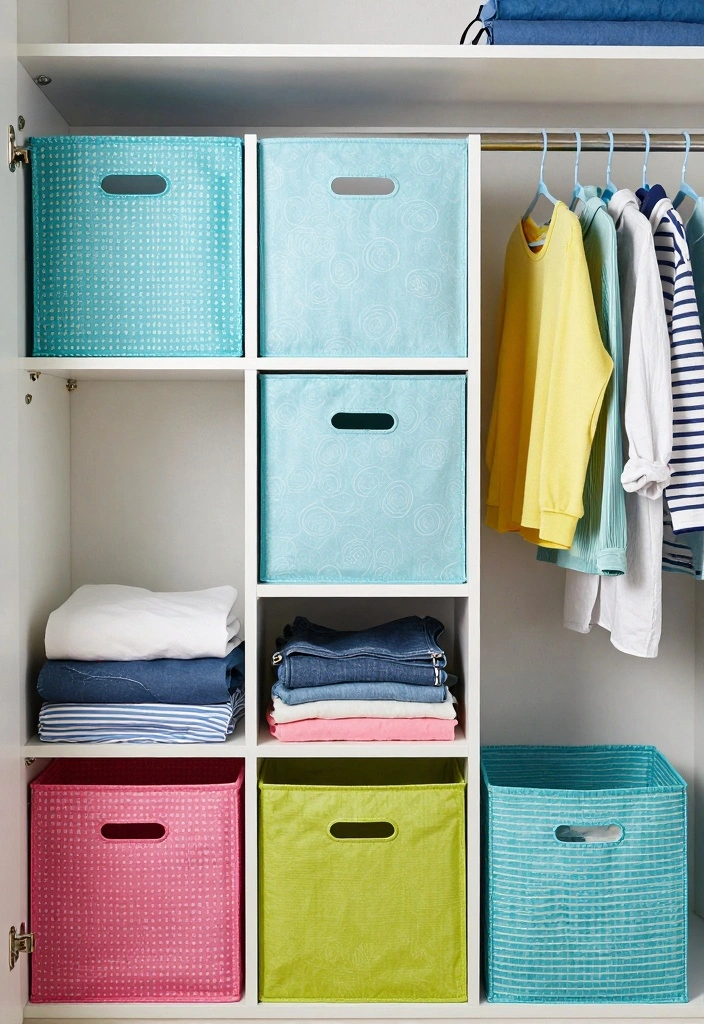
Closet space can be limited in shared bedrooms, making organization essential. Implement shared closet solutions that keep both adult and child clothing neatly arranged without feeling cramped. Use dividers to differentiate items and choose stylish organizers or bins that add a decorative touch. Over-the-door organizers can also be a smart choice for shoes and accessories, maximizing your available space.
For effective closet organization, consider color-coded sections to help everyone easily find their items. Store out-of-season clothes in bins to free up space for essentials. A well-organized closet streamlines morning routines, ensuring everything has its place.
Here are some closet organization tips:
– Create color-coded sections for easy access.
– Use seasonal rotation for efficient space use.
This thoughtful organization makes getting ready a breeze, enhancing the functionality of your shared bedroom.
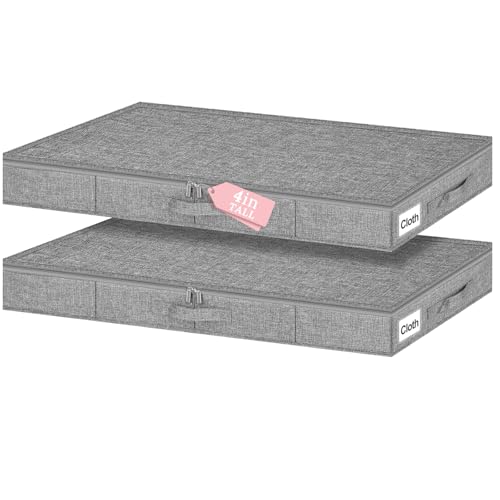
Low Profile Design: Measures 33.5'' L x 15.9'' W x 4'' H, ideal for beds 4 inches off the floor or higher. These discreet, narrow storage bins maximize space and fit perfectly under beds, in closets, or on shelves.

🔧【1 Step to Setup & Fold】ELEMARA Baby Bassinet use advanced technology and can be assembled and folded quickly within one second. This is the latest technology - Magic Folding- just one step! You just press bottom button for quick opening and closing. An all-in-one frame, Operate with one hand, saving time and effort, freeing mom's hands.

FULL SIZE COMFORT THAT FITS EVERY HOME - Give your baby the comfort of a full-size crib with room to rest and grow—without taking over your space. Assembled size: 53" L x 31" W x 46" H—measure to ensure the right fit.
How To Choose the Right Shared Bedroom Designs
Choosing the perfect shared bedroom design for a master bed and nursery can be a rewarding yet challenging task. You need to consider various factors to ensure the space is functional, comfortable, and stylish. Here are some key aspects to keep in mind as you plan your bedroom with nursery shared master bed layout:
1. Size and Layout
Start by measuring the available space. You need to ensure that both the bedroom and nursery elements fit comfortably without feeling cramped. Consider the flow of the room; allow enough space for movement between the bed and the nursery area. A good rule of thumb is to allocate at least 3 feet of open space around the bed and crib to keep the area functional.
2. Furniture Selection
When it comes to furniture, opt for space-saving pieces that serve multiple purposes. Look for cribs that convert into toddler beds, or dressers that double as changing tables. A stylish rocking chair can also add comfort while fitting neatly into the nursery corner. Remember, furniture that can grow with your child will be a smart investment.
3. Color Scheme
Choose a cohesive color palette that works for both adults and children. Soft, neutral tones can provide a calming atmosphere, and you can introduce pops of color through accessories like rugs, curtains, or wall art. This approach helps create a peaceful environment while allowing for playful decor options in the nursery section.
4. Storage Solutions
Effective storage is crucial in a shared bedroom. Consider vertical storage options like shelves or wall-mounted organizers that can hold toys, books, and essentials. Utilize under-bed storage for seasonal clothing or baby supplies. Baskets or bins are great for keeping toys tidy and easily accessible, promoting organization in the shared space.
5. Lighting Choices
Lighting plays a vital role in creating the right ambiance. Use a combination of overhead lights, bedside lamps, and soft night lights for the nursery. Dimmer switches can help you adjust the brightness according to the time of day, ensuring a gentle atmosphere for bedtime. Enjoy layering different light sources to make the space feel warm and inviting.
6. Personal Touches
Lastly, don’t forget to infuse personality into the room. Personalize the space with family photos, baby milestones, and themed decor that reflects your style. Wall decals, art prints, and handmade crafts can create a unique look while making the environment feel more like home for everyone.
Pro Tip: Always test out furniture arrangements before committing. Use painter’s tape to outline the size of furniture on the floor. This visual helps you understand how the space will feel and allows you to make adjustments before moving heavy pieces.
By focusing on these selection criteria, you can create a shared bedroom that meets the needs of adults and children alike, striking the perfect balance between functionality and style.

CHANGE DIAPERS ANYTIME / ANYWHERE - Use this light-weight baby changing basket (30" x 16" x 5.5"H, 4.5lb) in any room at home, or fold it up and take it to grandma's, the babysitter's, camping, or traveling in the car. Baby will be more comfortable with a little bit of home wherever you go - and a happy baby means less hassle at changing time!

Patent Design and Safety Materials: USPTO Patent: 30002657 Approved and BOLUO baby dresser are tested at third-party,accredited laboratories to meet or exceed all applicable category voluntary and mandatory safety standards

CHANGE DIAPERS ANYTIME / ANYWHERE - Use this light-weight baby changing basket (30" x 16" x 5.5"H, 4.5lb) in any room at home, or fold it up and take it to grandma's, the babysitter's, camping, or traveling in the car. Baby will be more comfortable with a little bit of home wherever you go - and a happy baby means less hassle at changing time!
8. Lighting Choices
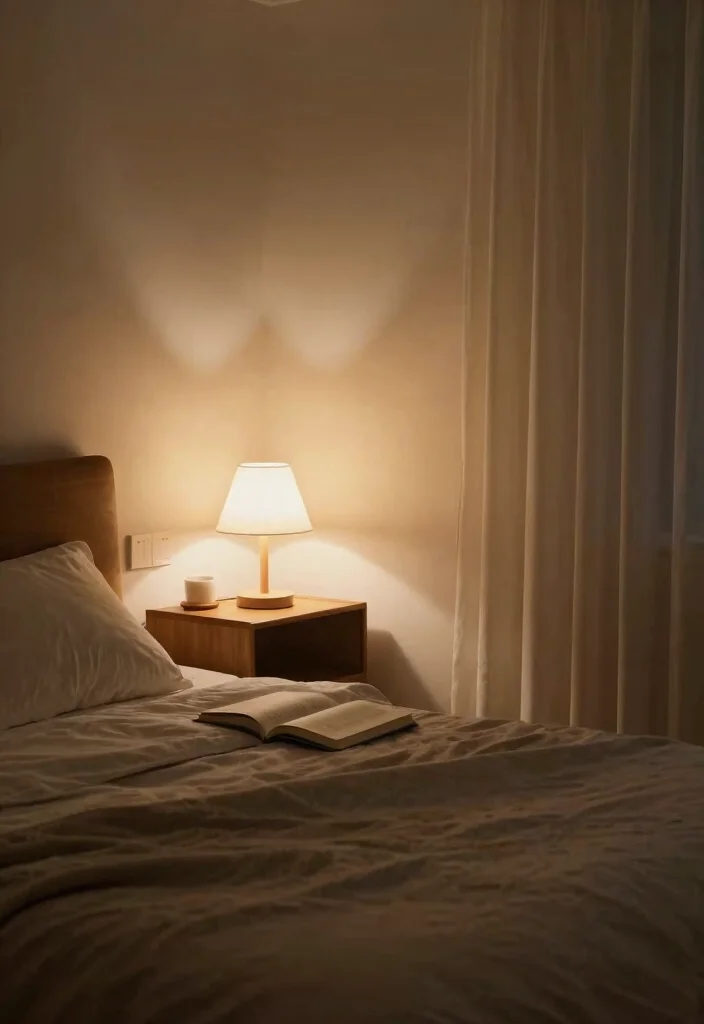
The right lighting can elevate your shared bedroom into a nurturing space. Combining ambient and task lighting helps set the mood for relaxation or play. Consider installing dimmable ceiling lights to adjust brightness for bedtime stories or daytime activities. Soft bedside lamps can provide gentle light during late-night feeds, creating a calming atmosphere.
To enhance your lighting, choose decorative fixtures that contribute to the room’s decor while providing adequate illumination. A gentle nightlight can ease nighttime fears for your little one, ensuring everyone feels secure. Varied light sources maintain a versatile and welcoming ambiance throughout the space.
Here are some lighting tips:
– Use hanging fixtures to enhance decor.
– Incorporate night lights for comfort.
Creating this layered lighting concept ensures your room remains inviting and functional at all times.
Lighting in a bedroom with nursery shared master bed matters more than you think. Use dimmable ceiling lights for storytime and soft bedside lamps for late feeds—ambience plus function in one calm, cozy space. It keeps bedtime simple and daytime brighter.

Baby Safety Guard: Let your little one explore and climb to their heart's content! Baby proof furniture anchors help keep furniture secure from the potential tip-over hazard of curious children. This anchor will help keep furniture upright even if your children pull out the dresser drawer to form a ladder and climb onto the dresser for fun.

Great space saver: Transforms the wasted space on the wall into a spacious storage area, helps you to keep everything clear
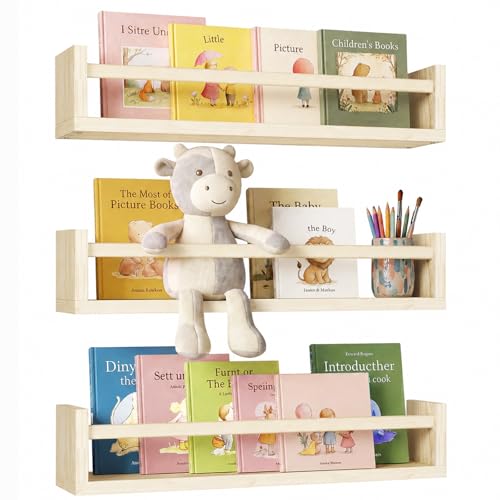
[Functional Kid's Shelves] - These floating shelves add both style and storage functionality to any nursery or kids' room, making them a great addition to your home decor. In addition, they can be used upside down, with hangers for children's clothing storage.
9. Personalized Decor
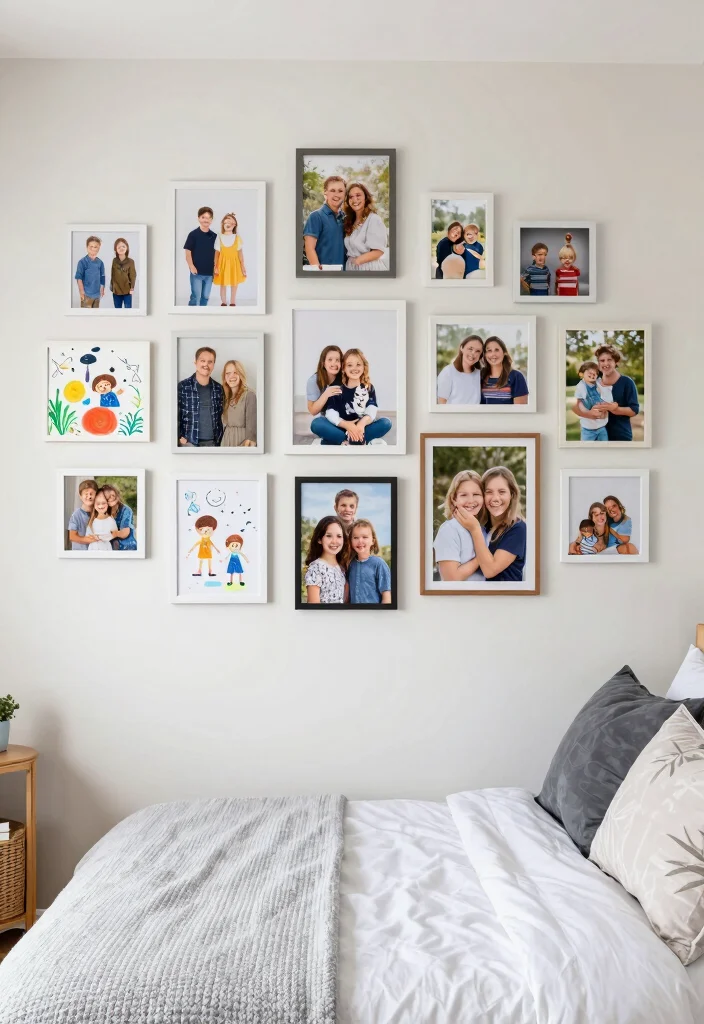
Adding personal touches to your shared bedroom with family photos and artwork helps make it feel like home. Display your child’s creations in frames or on a dedicated gallery wall, encouraging pride in their work. Use a cohesive design style to ensure that the decor complements the room’s overall aesthetic, enhancing the space’s warmth.
Consider creating a fun gallery wall featuring both family memories and your child’s drawings. Custom bedding featuring your child’s favorite colors or characters adds another layer of personalization. By integrating these unique elements into your decor, the room becomes a beautiful reflection of your family’s journey and cherished moments.
Explore these personalization ideas:
– Create a gallery wall for photos and art.
– Invest in custom bedding to showcase individual tastes.
This thoughtful touch transforms your shared bedroom into a meaningful sanctuary filled with love.

【Safety Certificate】This baby crib mattress meets the flammability, lead, phthalate testing standards and (CPSIA) requirements. It does not contain any toxic flame retardants and meets the standards set by federal regulations 16 - CFR - 1633, 16 - CFR - 1632 and 16 - CFR - 1241, providing your baby with a worry-free and safe sleeping environment.
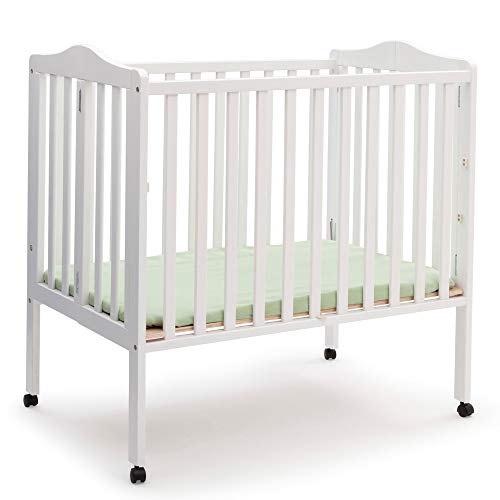
GREAT CRIB FOR SMALL SPACES OR TRAVEL: Crib includes casters for easy mobility; Folds flat for easy travel and storage; The included mattress (size: 37.5"L x 23.25"D x 1.5") stores right in the crib when folded
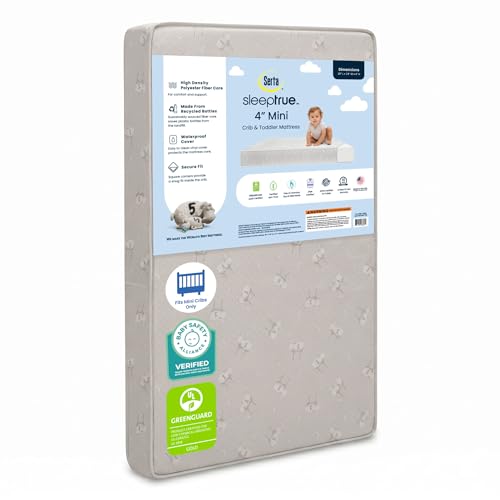
FITS MOST MINI & PORTABLE CRIBS: This crib mattress fits most mini cribs and portable cribs; mattress measures 38"L x 24"W x 4"H (not designed for standard cribs or pack 'n plays) | Measure your crib first to ensure a perfect fit.General Note: Please allow 24 - 72 hours for your Mattress to regain its full shape. Any memory foam will expand faster in a warmer room. In cold temperature, at delivery, your mattress may take a bit longer to return to full sized from its compressed state.The expansion time of the mattress will vary as per the surrounding
10. Soft Textiles
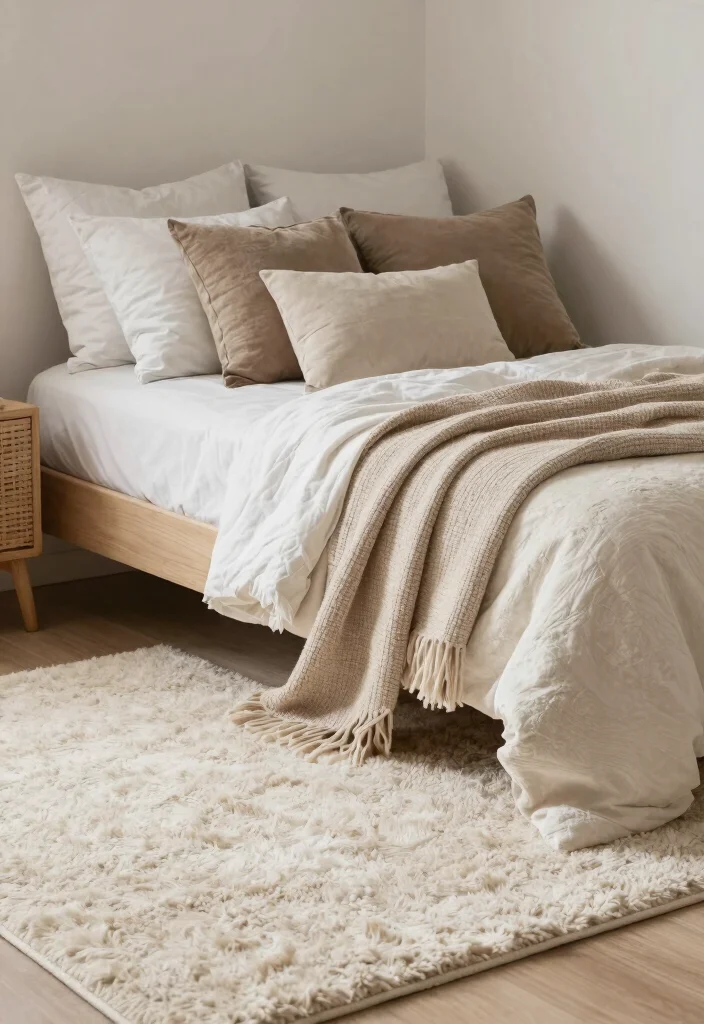
Soft textiles play a vital role in crafting a cozy atmosphere in your shared bedroom. Plush rugs, soft blankets, and comfortable pillows invite relaxation and comfort. These elements not only enhance the room’s aesthetic but also serve as playful accents, adding texture and warmth to the environment. Layering different fabrics can create visual interest while ensuring both parents and children feel at home.
To maximize this cozy feel, incorporate textured throws that create a dynamic look. Opt for breathable bedding materials that keep everyone comfortable throughout the night. Soft textiles enhance the overall style and comfort of your shared space, making it a welcoming retreat.
Keep these textile tips in mind:
– Incorporate a variety of textures for added depth.
– Choose comfortable bedding that promotes restful sleep.
This attention to textiles elevates the comfort and style of your shared bedroom.
Soft textiles turn a busy night into a cozy routine—think plush rugs, textured throws, and cozy pillows in a bedroom with nursery shared master bed. Layer fabrics for warmth, then breathe easy knowing comfort helps everyone sleep better.
11. Multi-functional Study Area
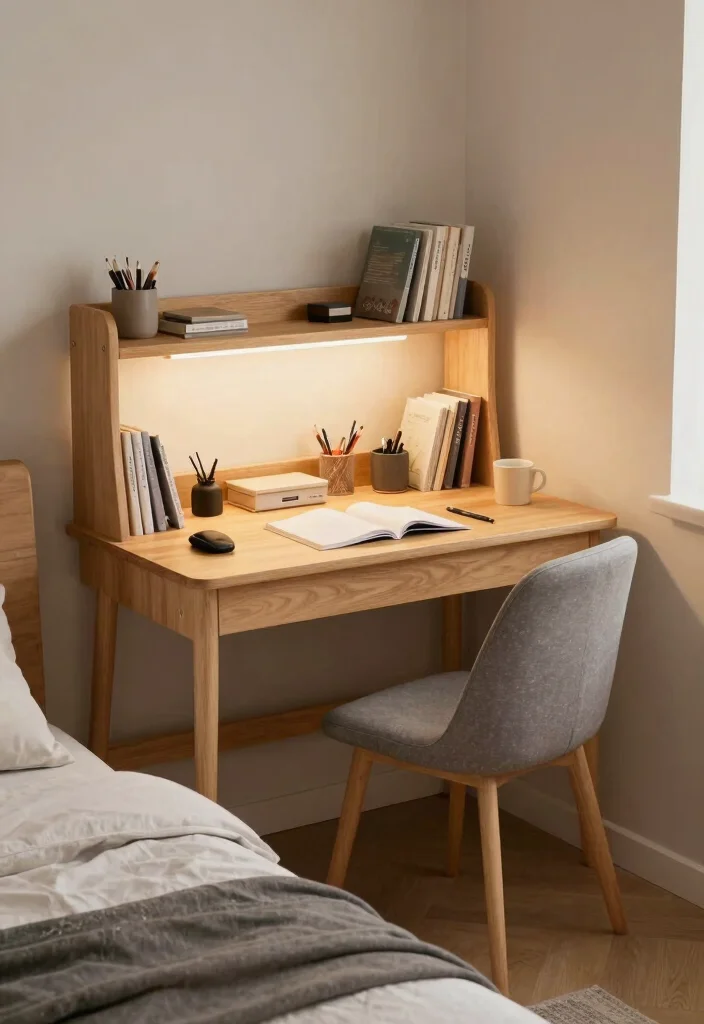
If your child is old enough, incorporating a small study area into your shared room can be highly beneficial. A compact desk that fits neatly into a corner provides an ideal space for homework or art projects. Pair it with a comfortable chair and adequate lighting to create a nurturing environment that encourages learning and creativity.
Choose a wall-mounted or foldable desk to save space without sacrificing functionality. Incorporate desk organizers to keep supplies tidy and accessible, promoting an organized study area. This thoughtful addition fosters creativity and learning, making your shared bedroom a well-rounded space for both rest and study.
Consider these study area essentials:
– Include a compact desk for efficient use of space.
– Use organizers to maintain a tidy workspace.
Creating this study area enriches your shared bedroom, making it a place for both relaxation and growth.
12. Nature-Inspired Decor
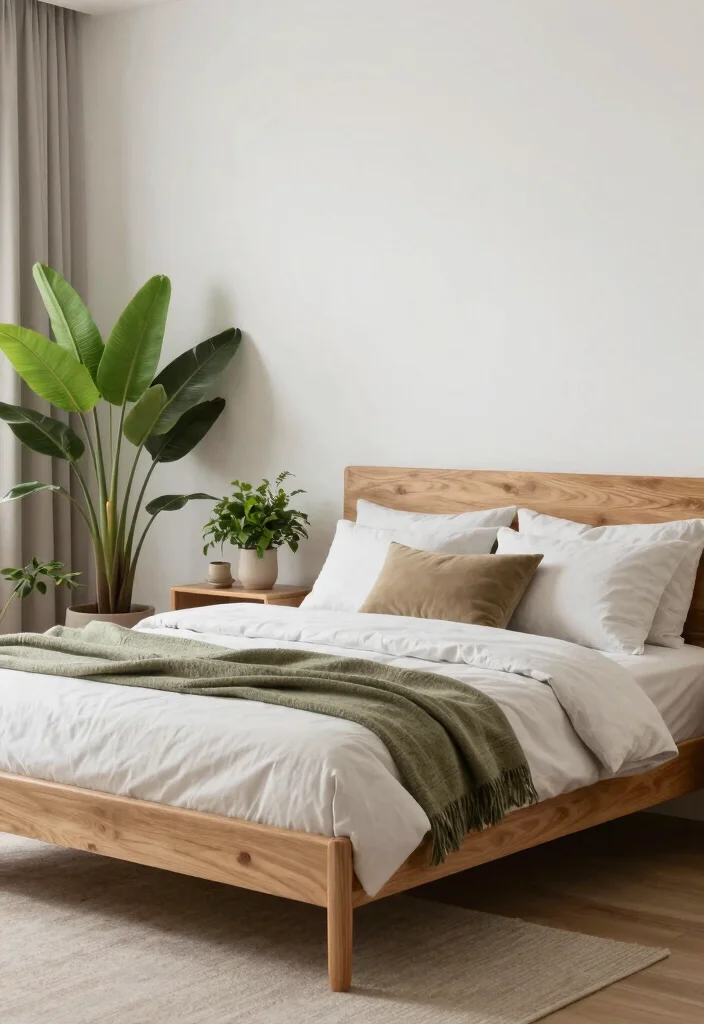
Infusing elements of nature into your shared bedroom creates a calming and serene environment. Use natural materials like wooden furniture and rattan accents, and introduce plants for a fresh touch. Nature-inspired decor fosters tranquility, making the room a peaceful retreat for both parents and children.
To bring nature indoors, consider adding small potted plants that enhance air quality and brighten your space. Incorporate woven baskets or linen accents for an organic feel that complements your decor. This approach not only improves the aesthetics but also promotes a healthier indoor atmosphere.
Here are some decor ideas:
– Add plant life to brighten and purify the air.
– Use natural textures for an organic touch.
Embracing nature-inspired decor enriches the beauty and serenity of your shared bedroom.
13. Stylish Baby Gate
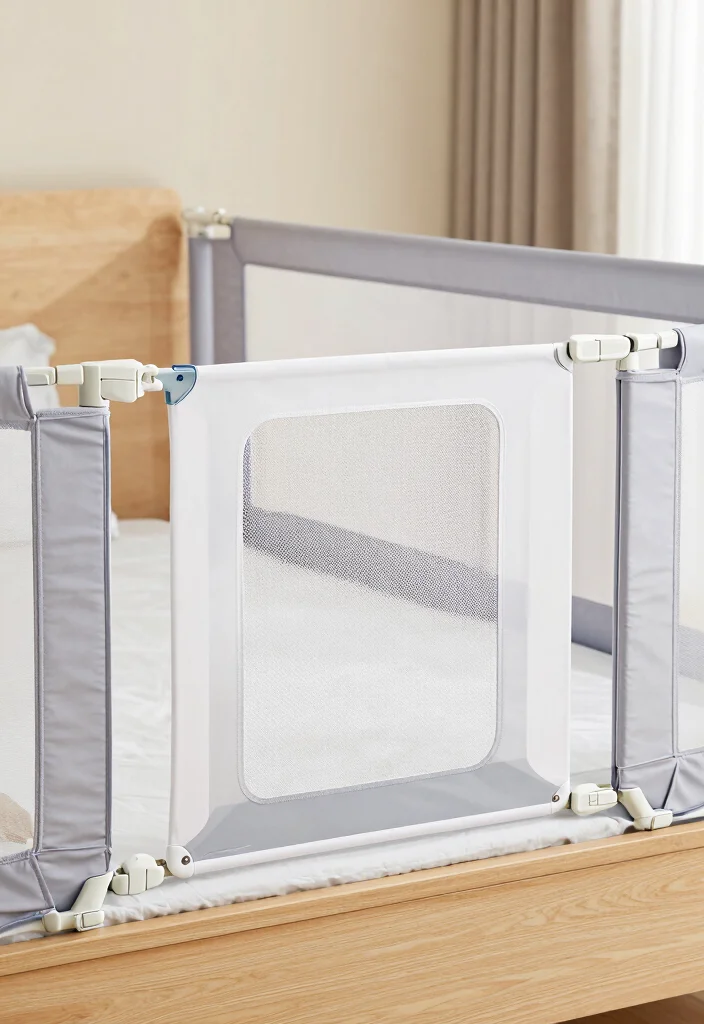
If your shared bedroom doubles as a play area, consider incorporating a stylish baby gate to safely define boundaries. Look for gates that blend seamlessly with your decor while ensuring your little one’s safety. This practical tool can also serve as a chic addition to your room’s design, merging functionality with style.
When choosing the right gate, select a design that complements your existing furniture. Ensure the gate is easy to open and close with one hand for convenience during busy moments. A stylish baby gate allows you to manage spaces effectively while maintaining an elegant aesthetic.
Keep these considerations in mind:
– Choose a gate design that complements your decor.
– Ensure functionality for ease of use.
With a stylish baby gate, you create a safe and chic environment for play and relaxation.
14. Playful Patterns
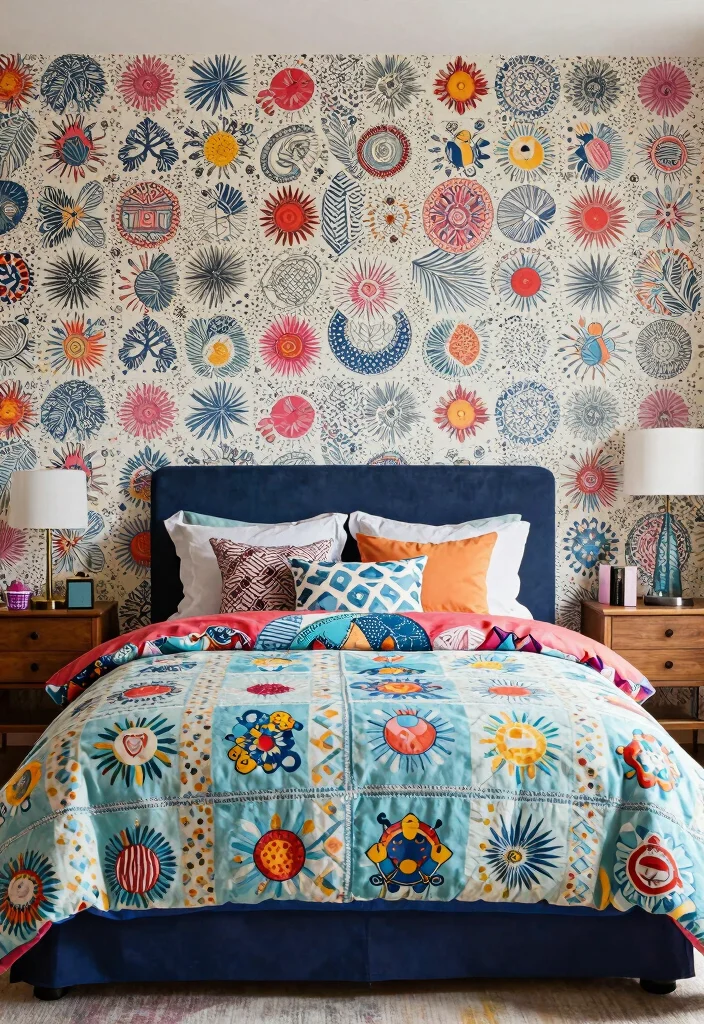
Incorporating playful patterns into your shared bedroom can inject vibrancy and joy into the space. Consider using patterned wallpaper or fun bedding that reflects your child’s personality. Mixing and matching patterns creates a visually stimulating environment while adding unique character to the room.
To master pattern mixing, balance bold designs with softer ones to maintain harmony. Ensure the chosen colors complement each other to uphold a cohesive look. Playful patterns can energize the room, transforming it into a lively yet comfortable space for everyone.
Here are some pattern mixing tips:
– Pair bold patterns with subtle ones for balance.
– Maintain a cohesive color scheme for unity.
This creative approach adds excitement and personality to your shared bedroom.
❝ In a bedroom with nursery shared master bed, playful patterns inject joy when you balance bold with soft. Start with a neutral base, then mix 2-3 patterns in coordinated colors—think wallpaper, bedding, and cushions. Pro tip: keep scales varied so the room reads cohesive, not chaotic. ❞
15. Efficient Organization Baskets
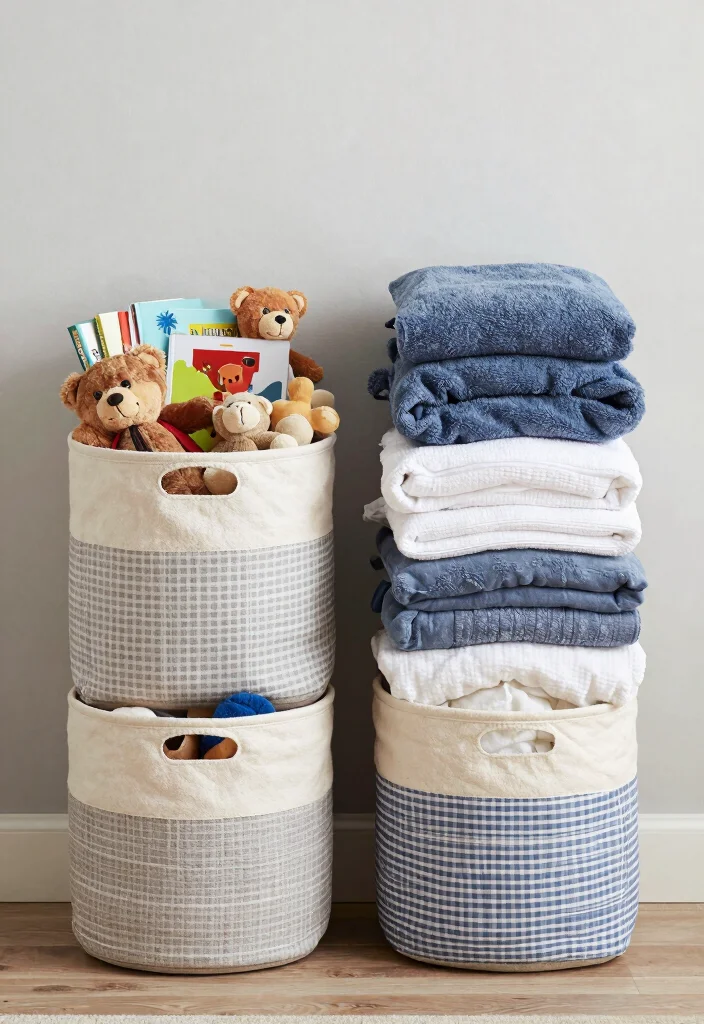
Utilizing efficient organization baskets can significantly enhance the functionality of your shared bedroom. Baskets are perfect for storing toys, books, or linens, keeping the space tidy while adding decorative flair. Opt for baskets that align with your style—woven, fabric, or plastic—to create a cohesive look throughout the room.
To optimize organization, label baskets to designate what goes where, making cleanup simple and quick. Choose baskets that match your room’s color palette for a polished appearance. Efficient organization helps maintain a clutter-free environment, ensuring your shared bedroom feels inviting and relaxed.
Here are some organization tips:
– Label baskets for easy identification.
– Select a color palette that enhances style.
This thoughtful organization contributes to a serene and welcoming atmosphere in your shared space.
16. Seasonal Decor Touches

Refreshing your decor with the seasons adds excitement and vibrancy to your shared bedroom. Incorporate seasonal elements like decorative pillows or throws that reflect the current time of year. This simple adjustment can effortlessly change the atmosphere, keeping the decor engaging for both you and your child.
To embrace seasonal decor, consider autumn accents with warm colors and textures that evoke a cozy feel. In spring, use light fabrics and floral patterns to brighten the space and create an uplifting environment. Seasonal touches keep your shared bedroom dynamic, making it a delightful space all year round.
Here are some seasonal decor ideas:
– Use autumn accents for a cozy fall vibe.
– Incorporate spring freshness with floral patterns.
These seasonal elements ensure your shared bedroom remains inviting and fun throughout the year.
17. Parent-Child Shared Activities
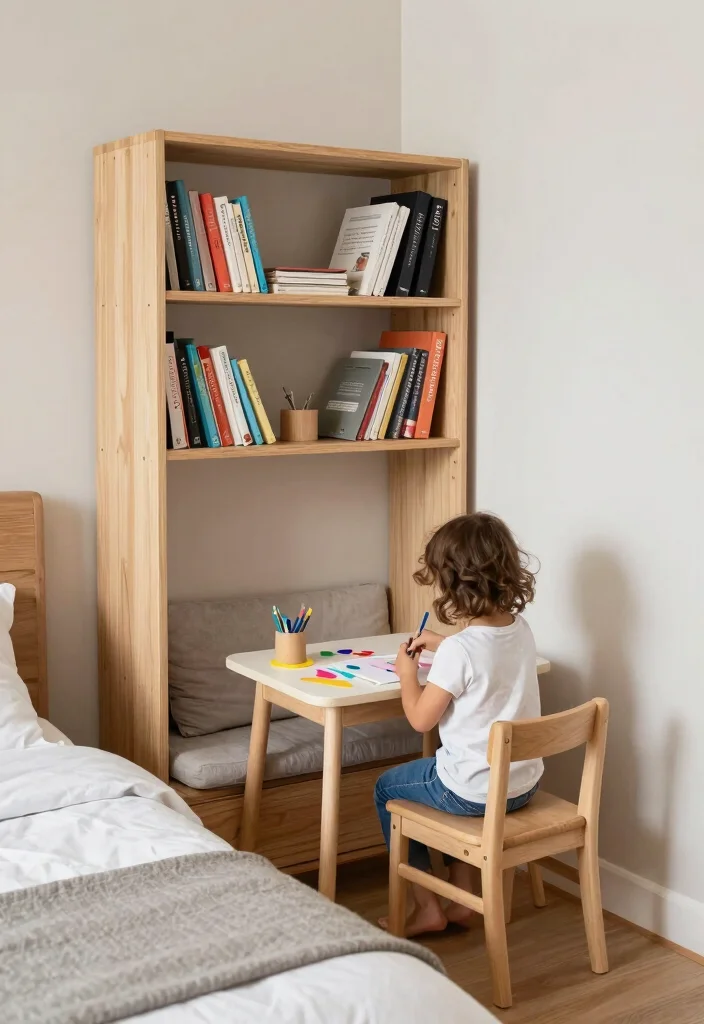
Designing areas within your shared bedroom for parent-child activities can strengthen family bonds. Create a cozy reading corner equipped with a small bookshelf and comfortable seating to encourage storytime. This dedicated space not only serves a functional purpose but also fosters quality time together in a nurturing environment.
Consider establishing an arts and crafts station with a small table for creative projects, along with a designated space for board games and puzzles. These shared activity areas invite engagement, making your shared bedroom a joyful haven for both you and your child.
Explore these activity corner ideas:
– Dedicate a space for arts and crafts to inspire creativity.
– Create a puzzle area for fun family time.
These thoughtful spaces invite connection and enjoyment, making your shared bedroom a vibrant and loving environment.
18. Thoughtful Room Layout
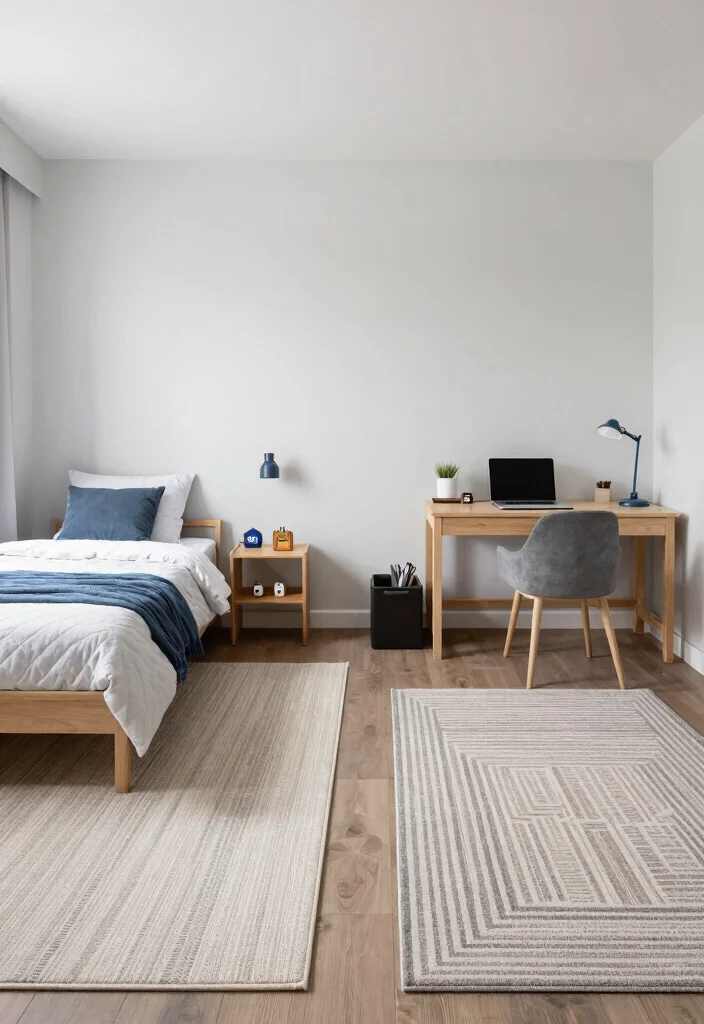
Finally, a well-planned room layout can significantly enhance the functionality of a shared bedroom. Consider the flow of the space and how each area connects to one another. Ensuring that the nursery section is easily accessible from the master bed while keeping pathways clear can streamline daily routines. Use rugs to define different spaces, creating a cozy atmosphere while adding structure to your layout.
To optimize layout effectiveness, establish clear zones for sleeping, playing, and studying. Maintaining open pathways enhances movement throughout the room, making it easy for everyone to navigate. A thoughtfully designed layout transforms your shared bedroom into a smooth-functioning, stylish sanctuary for both parents and children.
Here are some layout tips:
– Create zoning for each activity.
– Ensure clear flow for easy movement.
This careful planning elevates your shared bedroom into a beautifully organized and functional space.
Conclusion
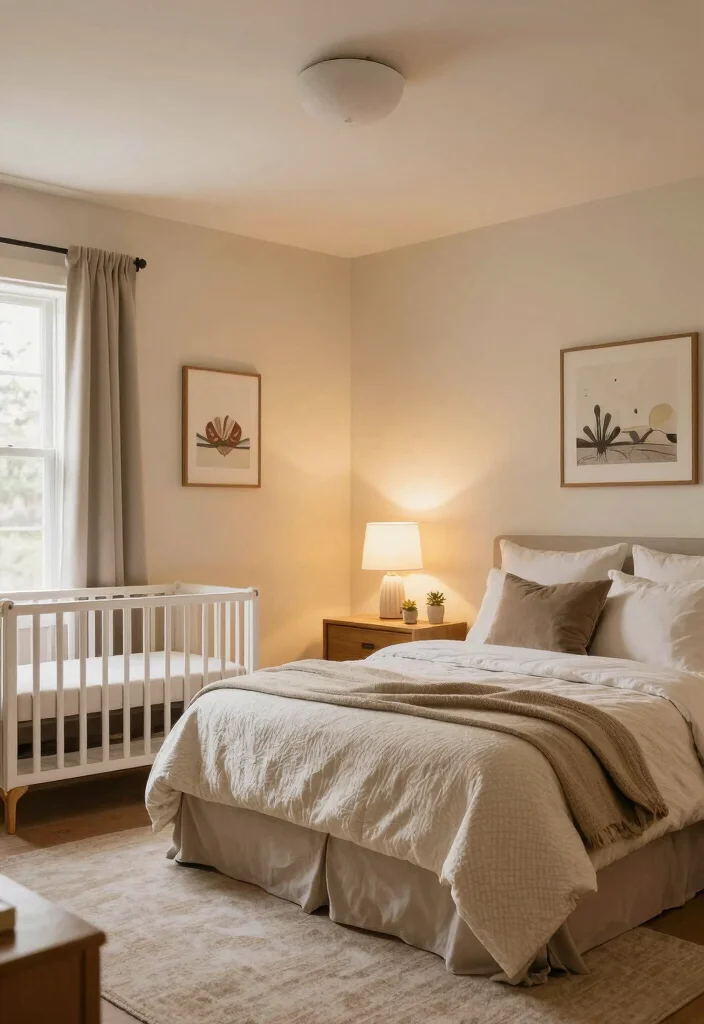
Creating a shared master bedroom that accommodates a nursery is a beautiful blend of style, functionality, and love. Each of these ideas can be tailored to suit your family’s unique needs, ensuring a nurturing and appealing space.
Embracing smart layouts and creative solutions allows you to maximize your space while fostering a warm environment. Remember, the goal is to make your shared bedroom a true reflection of your family’s journey, filled with comfort and joy.
Frequently Asked Questions
What are the best layout ideas for a bedroom with nursery shared master bed to maximize space in a small home?
Designing a bedroom with nursery shared master bed is about defining zones without crowding the floor. Start by measuring the room, then plan distinct sleeping and nursery areas using an L-shaped or parallel layout. Place the master bed on a solid wall and tuck the nursery close but separate using a room divider or a sheer curtain that you can close at night. Choose space-saving furniture like a bed with built-in drawers, a dresser that doubles as a changing station, and under-bed storage bins to keep clutter out of sight. Use vertical storage such as floating shelves on the nursery side to keep floor space open, and pick a shared color palette to unify the look. Add functional lighting with a dimmable main light and a soft nightlight near the crib or bassinet. With these shared bedroom designs, you get a practical, family-friendly layout that works for a bedroom with nursery shared master bed setup.
How can I create a family-friendly layout in a bedroom with nursery shared master bed while keeping privacy for adults and baby?
Privacy starts with clear zones and flexible dividers. Use a room divider or curtain to visually separate the nursery from the sleeping area, and add layered lighting so adults can unwind without waking the baby. Choose a master bed placement that minimizes direct exposure to the nursery, and incorporate a small seating corner or reading chair for adults. Use dual-purpose furniture like a dresser that doubles as a changing station and storage-backed nightstands for quick access. Keep noise at bay with soft textiles and sound-friendly decor, and maintain a calm, cohesive color palette to reinforce a family-friendly layout that still respects privacy in a bedroom with nursery shared master bed setup.
Which space-saving furniture ideas truly make a bedroom with nursery shared master bed more functional?
Think vertical and multi-use. Top picks include space-saving furniture like a bed with built-in drawers, a tall dresser that also serves as a changing station, and a compact crib that tucks neatly into a corner. Add under-bed storage bins, wall-mounted shelves, and a fold-down desk to keep surfaces clear. A slim, rolling cart can hold diaper supplies near the changing area, while a floating nightstand keeps legroom open. If possible, explore a Murphy-style or wall bed option for occasional guests, but even without that, smart, compact pieces will keep the room from feeling cramped in a bedroom with nursery shared master bed arrangement.
What nursery decor ideas translate well into a shared master bedroom design without clashing with adult needs?
Choose a soothing, cohesive look that travels between spaces. Start with a calm nursery decor ideas palette—soft neutrals or gentle pastels that echo the adult space. Use removable wall decals or framed art that matches the room’s theme, and pick durable, non-toxic textiles. Implement blackout curtains and a small nightlight for nighttime routines, plus a soft rug to define the nursery corner without overpowering the room. Keep décor balanced so it feels like one shared bedroom design rather than two separate spaces. The result is a harmonious bedroom with nursery shared master bed that remains serene for adults and welcoming for a baby.
How can I create a dual-purpose room in a bedroom with nursery shared master bed that stays organized and calming?
Start by defining clearly functional zones: sleeping, nursery care, and storage. Use dual-purpose rooms concepts like a dresser that doubles as a changing station and a storage ottoman at the foot of the bed. Opt for a simple, cohesive color palette and consistent materials to unify the spaces. Invest in smart storage: labeled baskets, a closet system, and space-saving furniture with hidden storage. Choose adjustable lighting and soft textiles to keep the atmosphere calm, and maintain routine-friendly organization with a single spot for daily essentials. With thoughtful planning, a bedroom with nursery shared master bed becomes practical, stylish, and wonderfully family-friendly.
Related Topics
home decor
shared bedroom designs
nursery decor
space-saving furniture
family-friendly layouts
dual-purpose rooms
small space solutions
minimalist nursery
easy organization
smart layouts
budget friendly
cozy interiors