Creating a garden in a small space can feel challenging, especially when you want to grow delicious snap peas. These sweet, crunchy treats are not just a delight to eat; they also add beauty and greenery to your urban garden. I put this post together because I believe everyone deserves a chance to enjoy homegrown veggies, even if you’re limited on space.
If you’re someone who’s into raised bed gardening, small space gardening, or simply looking for vertical gardening ideas, this post is for you. You’ll find 14 unique snap pea trellis ideas designed to fit perfectly in compact plots or raised beds. These structures not only help your peas thrive by providing the support they need but also add a creative touch to your garden.
By exploring these trellis designs, you’ll discover practical solutions that make the most of your limited gardening space. From rustic wooden frames to clever repurposed items, you’ll get inspired to build a beautiful and productive garden. Let’s get started on transforming your small space into a thriving vegetable oasis!
Key Takeaways
– Discover 14 unique snap pea trellis ideas that fit well in raised beds and compact plots, perfect for maximizing your garden space.
– Explore different materials and designs, from rustic wooden A-frames to repurposed ladders, that add charm to your garden while supporting your plants.
– Learn practical tips on how to build and install each trellis, ensuring your snap peas have the support they need to grow tall and healthy.
– Get insights on the benefits of vertical gardening, including better air circulation, easier harvesting, and utilizing limited space effectively.
– Find inspiration for personalizing your trellis designs to match your gardening style, making your garden not just functional but also aesthetically pleasing.
1. Rustic Wooden A-Frame Trellis
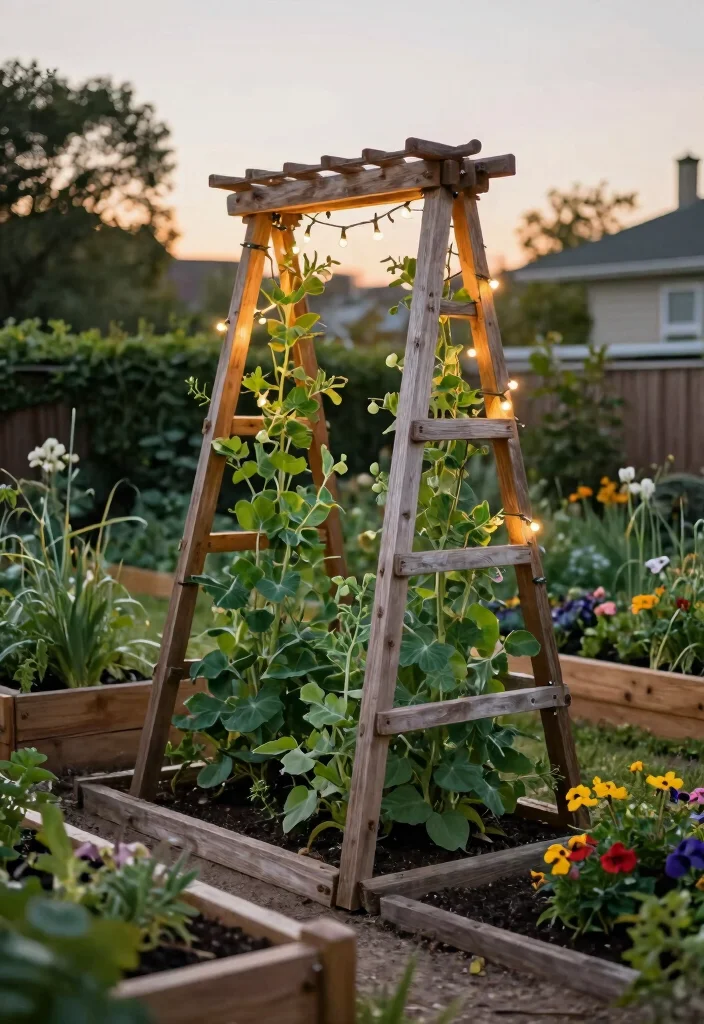
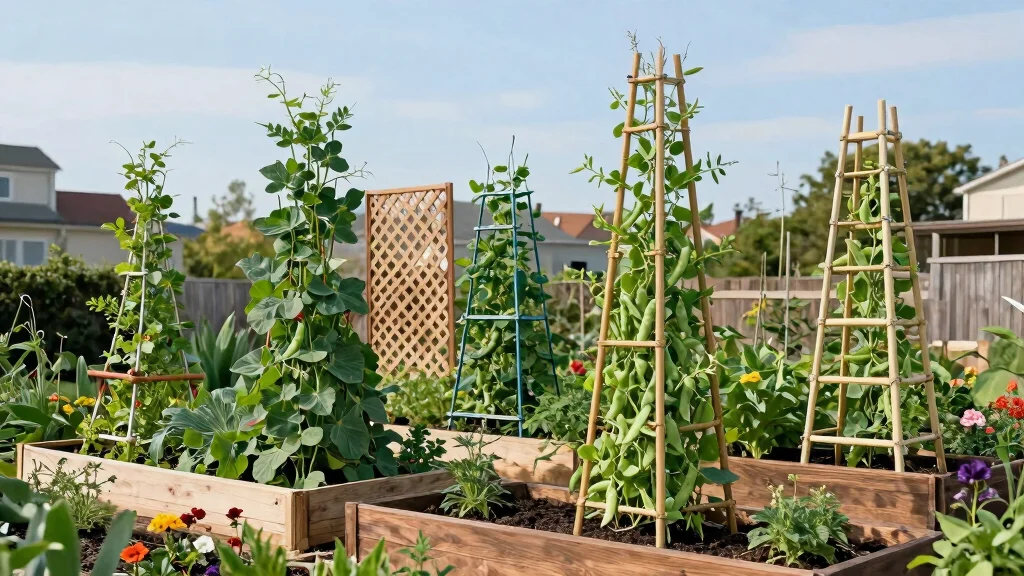
Are you yearning for a charming touch in your garden? A rustic wooden A-frame trellis is not only sturdy but also provides a welcoming structure for your snap peas to climb. Crafted from reclaimed wood, it highlights sustainable gardening while adding a farmhouse vibe to your raised bed.
This A-frame design ensures your snap peas get plenty of sunlight, which is vital for their growth. Here are some tips to create your own:
– Use robust branches or planks to construct the A-frame, ensuring stability for the weight of the peas.
– Position the trellis in a sunny spot, ideally facing south.
– Plant snap peas at the base and watch them thrive as they climb!
You can also enhance its charm with string lights or colorful decorations, turning your garden into a cozy evening retreat.
Small-space gardeners learn quickly: a rustic wooden A-frame trellis turns a tiny bed into a lush, productive nook. A sturdy snap pea trellis lets peas climb high, harvests come early, and keeps everything neatly in sight—proof that big flavor fits in close quarters.
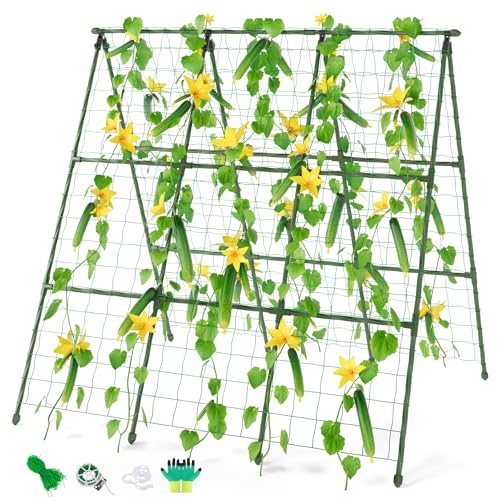
🌱 ADJUSTABLE WIDTH CUCUMBER TRELLIS FOR RAISED BEDS: Designed to fit most standard raised garden beds, this 48-inch long A-frame cucumber trellis features an adjustable width design that maximizes vertical growing space while keeping plants organized. Perfect for cucumbers, tomatoes, beans, peas, and other climbing vegetables, making pruning, watering, and harvesting easier.

Adjustable Height Trellis (17" to 50") – Perfect for Raised Beds & Tall Vines, grow Any Climbing Plant! DIY from Compact Seedlings to Towering Vines! Match your raised bed cucumber trellis needs: Start at 17" for young plants, then extend to 50" as they grow! Customize height—ideal for beans, peas, and tall outdoor climbing plants.

The trellis for climbing plants outdoor measures 47” tall, 16” wide. Cucumber trellis with spiked leg caps for easy soil penetration.
2. Lattice Panel Trellis
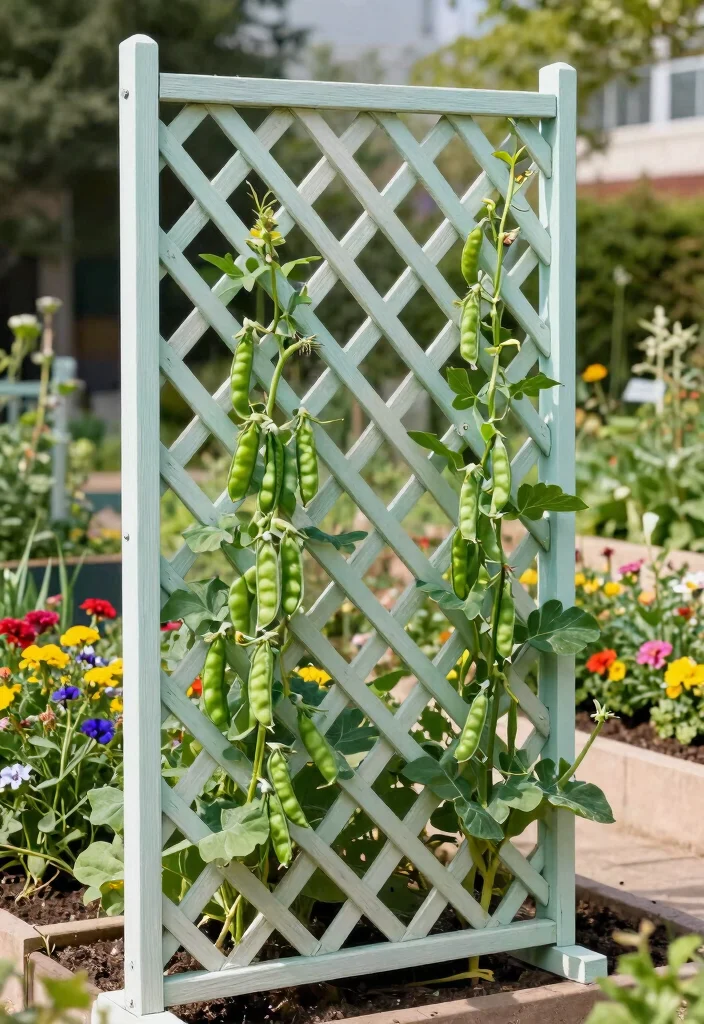
Looking for a trellis that adds both support and visual flair? A lattice panel trellis is a great choice for snap peas, providing a structured look for your small garden. You can buy pre-made panels or craft your own using wooden slats.
The open design allows for optimal air circulation and sunlight, keeping your plants healthy. Here are some practical tips for setting up a lattice panel trellis:
– Attach the lattice to walls or fences for multifunctional use.
– Paint or stain the wood to match your garden’s aesthetic.
– Use zip ties or garden twine to help your peas climb through the lattice.
Adding climbing flowers or herbs alongside your snap peas creates a stunning vertical garden and enhances the beauty of your space.

20 COMPACT VEGETABLE & HERB VARIETIES – Chinese Celery, Lolla Rossa Lettuce, Sugar Daddy Snap Pea, Buttercrunch Lettuce, Spacemaster Cucumber, Little Fingers Carrot, Opal Basil, Arugula, Thyme, Viroflay Spinach, Flat Leaf Parsley, Tokyo Long White Bunching Onion, Dwarf Mix Petunia, French Breakfast Radish, Serrano Pepper, Catnip, Lemon Balm, Red Russian Kale, Marconi Red Pepper, and Cilantro

Complete Kit for Easy Setup: This all-in-one kit includes 8 curved tubes, 43 straight tubes, 12 equal cross connectors, 10 four-way connections, 4 equal tees, 10 straight connectors, 100 leaf ties, 20 garden clips, 30 fishbone cable ties, a plant bag, a pair of gloves, and a comprehensive manual, measuring 65x50 inches, providing space for climbing and healthy growth. The included nylon trellis netting ensures your plants receive ample support for climbing.

【Sturdy Metal Support for Climbing Plants】 Constructed with thick, powder-coated metal tubes and reinforced connectors. This U-shaped garden trellis provides stable upward support for cucumbers, tomatoes, peas, beans, and melons. The rigid frame helps maintain plant structure for better airflow and cleaner growth
3. Bamboo Teepee Trellis
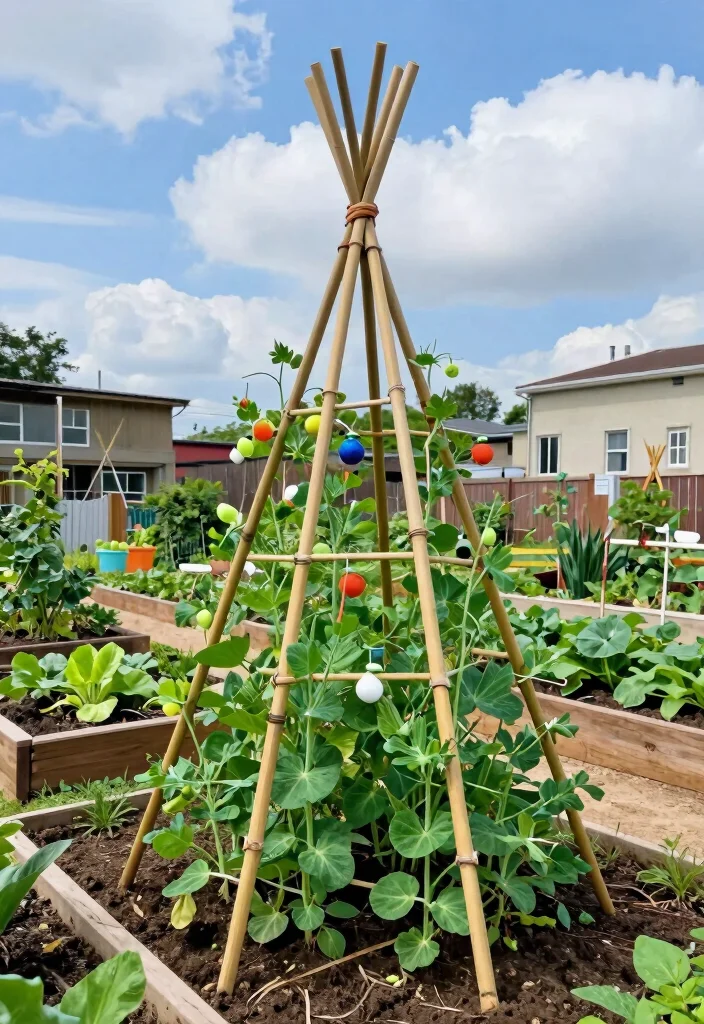
Searching for a delightful and simple trellis? A bamboo teepee trellis is an excellent choice! Easy to assemble, this design blends naturally into your garden, making it a perfect match for snap peas.
To create your bamboo teepee:
– Gather 4-6 bamboo poles and tie them together at the top using twine or wire.
– Spread the poles apart to form a teepee shape and anchor the ends into your raised bed soil.
– Plant snap peas around the base, guiding them up the bamboo as they grow.
This trellis invites kids to join in the fun of gardening, and you can even decorate it with whimsical ornaments or natural elements for a personal touch.
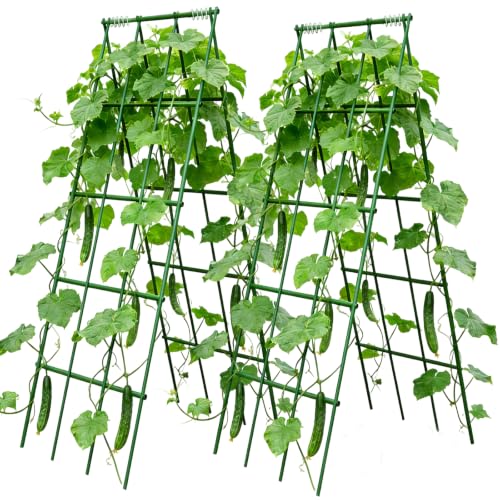
【No Assembly Required】Cucumber Trellis Out of the Box - From Packaging to Garden, Only 3 Minutes. While Other Bracket Kits Force You to Wrestle with More Than Ten Parts and a Wrench, Our No-Assembly-Required Bracket Panel Has Already Been Moved to the Garden for You, Providing a Simple and Quick DIY Erection Experience

Package Includes: You will get 3 pack A-frame garden trellis for climbing plant outdoors. The trellis measures 4ft/47.24'' high x 15.5'' wide. The average diameter of the stake is 14-16 mm/0.55-0.62 inches (due to the handmade nature of the product, the measurement error range is ≤±2cm/0.7'')

Our Polyethylene netting is an affordable alternative to traditional wire mesh. UV stabilized Polyethylene is lightweight, practical, and encourages growth. Miuezuth engineered it to be strong enough to support melons, yet safe enough for the most delicate leaves and stems. This netting improves air circulation, exposure to the sun, and use of space. This trellis netting ensures that your plants stay healthy, which increases their yield.
4. Metal Grid Trellis
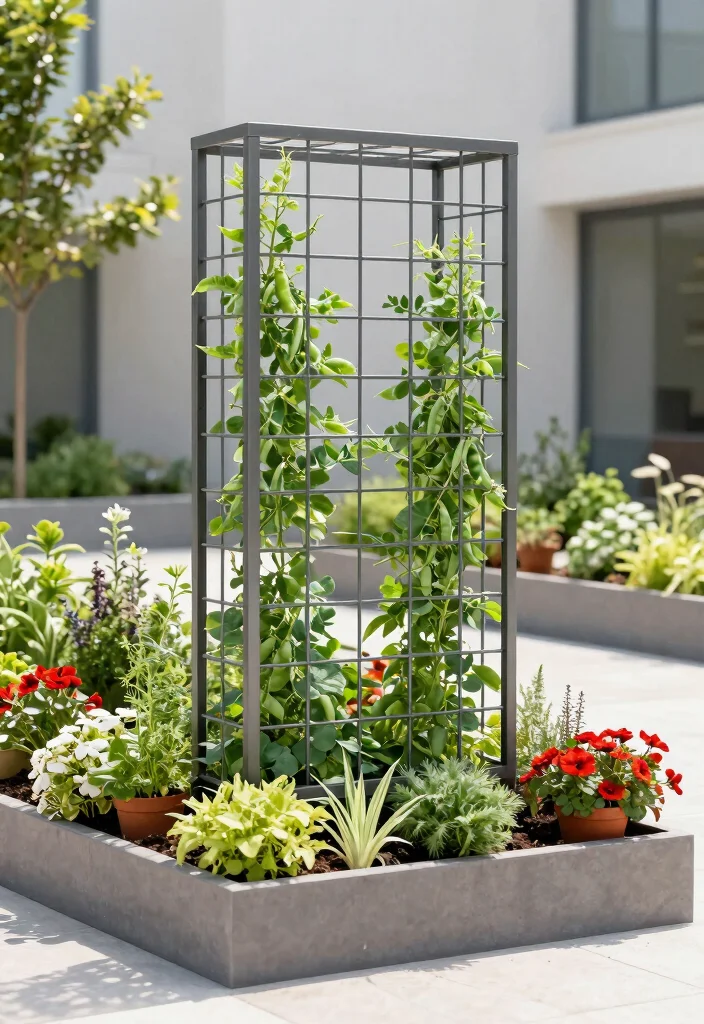
Want a modern twist for your snap peas? A metal grid trellis is sleek and minimalist, providing excellent support while adding a contemporary flair to your garden. Metal options are durable and can withstand the elements longer than wood.
To create a metal grid trellis:
– Use wire fencing or metal mesh and secure it to a frame or your raised bed.
– Position the trellis vertically, allowing your snap peas to grow upward without dragging on the ground.
– Consider painting the metal to match your garden theme for extra style.
Pairing this trellis with colorful planters enhances the aesthetic and creates a striking focal point in your small plot.

HIGH QUALITY MATERIALS :The willow trellis plant support are made of 100% real willow wood, nature willow color, willow sticks is about 1/4” to 3/8” thick, nice and sturdy.

Willow Trellis:This plant support are made of 100% real willow,willow sticks is are about 1/4” to 3/8” thick

【Value 4-Pack & Tool-Free Installation】 Get 4 durable plant trellises at a cost-effective price—perfect for creating a cohesive garden display or supporting multiple climbing plants! Assembly takes less than 8 minutes total: just insert the 11.8-inch deep ground spike into soft soil —no drills, hammers, or complicated steps. Unit Dimension: 4 Pack, 86.7" H x 19.7" W. Note: Vines and plants are not included.
Key Trade-offs & Our Top Pick
Option Comparison
1. Rustic Wooden A-Frame Trellis
– Pros:
– Offers a natural look that blends well with garden aesthetics.
– Sturdy enough to support heavy snap pea plants.
– Easy to build with minimal tools.
– Cons:
– Requires regular maintenance to prevent rot.
– Can be bulky, taking up more space than other trellises.
– Might not be as weather-resistant as metal options.
– Best for: Gardeners who appreciate a classic, rustic look and have space for a larger trellis.
2. Lattice Panel Trellis
– Pros:
– Provides ample support with a grid-like design.
– Versatile, can be used against walls or fences.
– Allows for good air circulation, reducing the risk of disease.
– Cons:
– Requires more materials and may be harder to install.
– Can be less stable if not secured properly.
– May not fit well in very small spaces.
– Best for: Those with a wall or fence who want a permanent and sturdy solution.
3. Bamboo Teepee Trellis
– Pros:
– Lightweight and easy to move, perfect for small gardens.
– Eco-friendly and affordable, especially for DIY projects.
– Unique design adds visual interest to your garden.
– Cons:
– Less durable over time, especially in wet conditions.
– Requires occasional replacement of bamboo stakes.
– May not provide enough height for taller snap pea varieties.
– Best for: Urban gardeners looking for a budget-friendly and portable solution.
4. PVC Pipe Trellis
– Pros:
– Lightweight and resistant to rot, rust, and weather damage.
– Easy to assemble and customize to any height.
– Affordable and widely available materials.
– Cons:
– May not have the same aesthetic appeal as wooden trellises.
– Can be prone to bending under heavy loads if not properly constructed.
– Requires some level of DIY skill for assembly.
– Best for: Gardeners looking for a durable, long-lasting option that can withstand various weather conditions.
5. Repurposed Ladder Trellis
– Pros:
– An eco-friendly, creative way to reuse old materials.
– Provides varying heights for plants to climb.
– Adds character and charm to your garden space.
– Cons:
– Stability can be an issue depending on the ladder’s condition.
– May not be ideal for high-production gardens.
– Requires some creativity and resourcefulness to set up.
– Best for: Gardeners who love DIY projects and want to add a personal touch to their garden.
Expert Recommendation:
Best Overall: Lattice Panel Trellis
The lattice panel trellis stands out as the top choice for many gardeners. It strikes a great balance between durability and functionality. With its sturdy design, it can hold a variety of climbing plants, including snap peas. Plus, its versatility allows you to use it in different garden layouts, making it suitable for both raised beds and small plots. You won’t have to worry about it collapsing under the weight of your plants, offering peace of mind for your gardening efforts.
Why We Picked This:
While the lattice panel trellis is our top pick, different gardeners have unique needs. If you’re looking for a rustic aesthetic, the A-frame trellis may feel just right. For those who want a budget-friendly option, the bamboo teepee is a fun choice. Always consider your space, aesthetic preferences, and gardening goals before making a final decision! 💡

🌑[Plant Growth Support]:Garden plant trellis are committed to helping your indoor for potted plants and adds to the natural beauty. As plants grow, the houseplant trellis takes the form of a ladder to help your plant climbing and growing.

New Concept Spiral Plant Stand - let your vines climb easily and show a vibrant growth scene! This Plant Supporter stand is an indispensable tool in your garden. plant climbing support with an innovative spiral and stretchable design, the trellis is not only beautiful and practical but also allows your vines to easily climb higher, receive more sunlight, and have a more ideal growing environment.
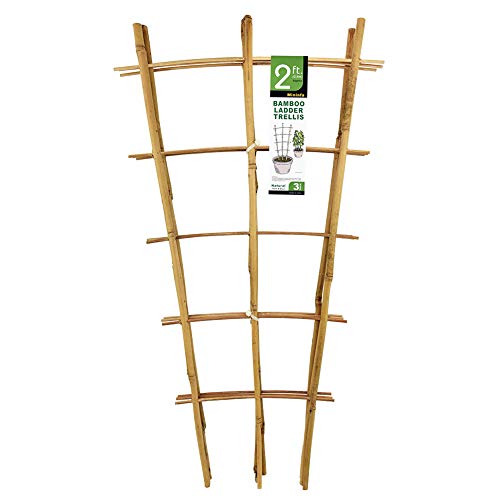
QUALITY – Our premium bamboo trellis are all handmade, using the high quality bamboo from the subtropical monsoon climate region. Very strong and flexible, durable for several seasons, so our potted plant support won’t be easily blown down by the wind, climbing trellis can help taking some weight of your plants like tomatoes or peppers. Bamboo is eco-friendly materials. All bamboo canes are hand selected and hand treated.
5. Repurposed Ladder Trellis
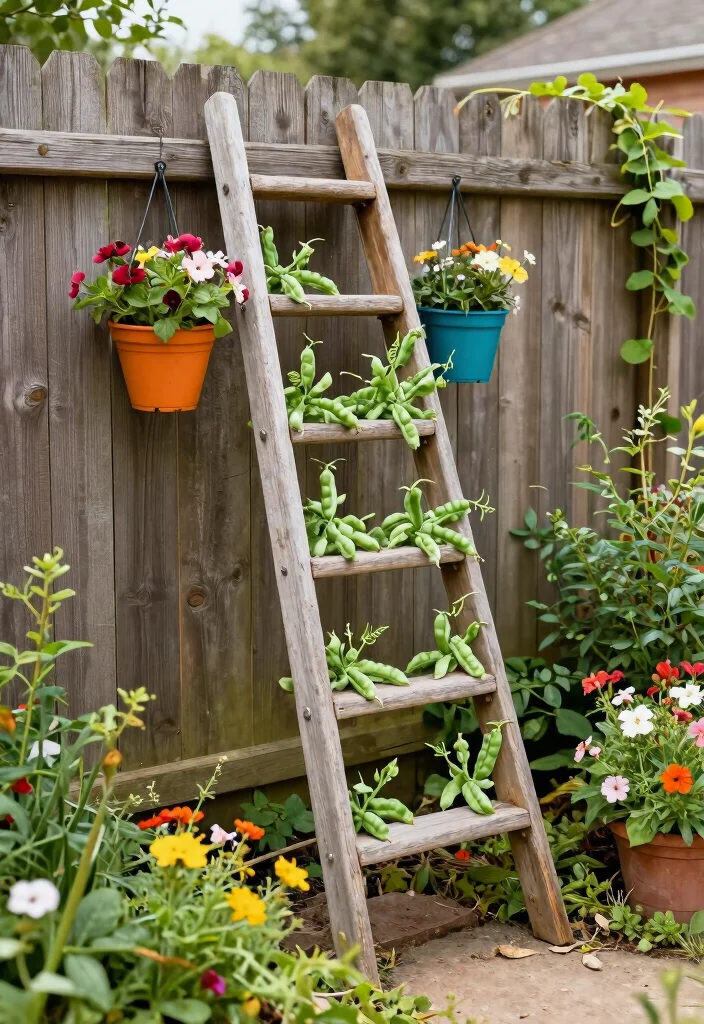
Have an old wooden ladder? Transform it into a snap pea trellis! This eco-friendly idea adds rustic charm to your garden while offering multiple levels for your plants to climb.
To make your own:
– Secure the ladder against a wall or fence for stability.
– Plant snap peas at the bottom, guiding them onto the rungs as they grow.
– Personalize the ladder with hanging pots or small garden signs.
This design is perfect for small gardens, maximizing vertical space while keeping the planting area below neat and tidy.

【Multi-Function】 Tall Tomato Cage-Each tomato cage can be adjusted from 16inches to 47 inches in height,suit for different growth stages of plants, offering versatile supports for a wide variety of tomato plants, ensuring they grow tall and strong.
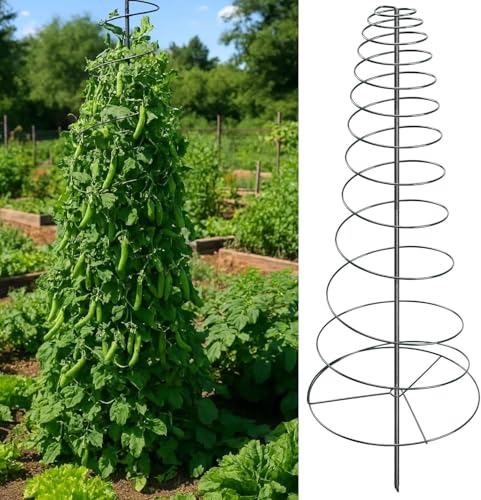
Heavy-Duty Metal Trellis: Rock-Solid Support for Climbing Plants - Made with 0.6mm thick stainless steel and a 0.63-inch reinforced center pole, this garden trellises stands firm through wind and rain. Perfect for pole beans, snap peas, tomatoes, cucumbers, and flowering vines like bougainvillea and morning glory, it provides season-long stability and prevents your plants from falling or bending.
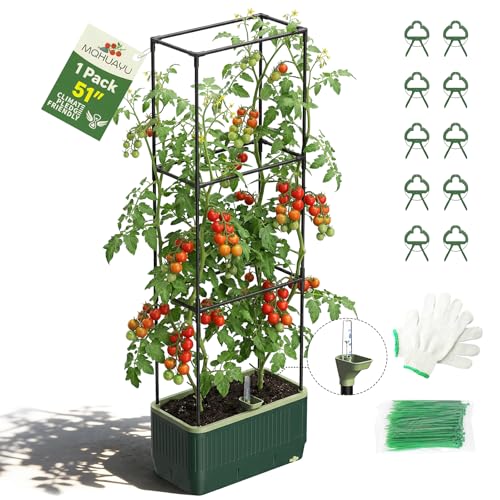
SMART SELF-WATERING & VISUAL GAUGE: Take the guesswork out of watering! Our innovative self-watering system features a deep water reservoir, cotton ropes, and a clear visual water level indicator. You can instantly see when to refill and when it's full, preventing overwatering or root rot. Perfect for busy schedules or weekend getaways, ensuring your plants thrive with minimal effort.
6. PVC Pipe Trellis
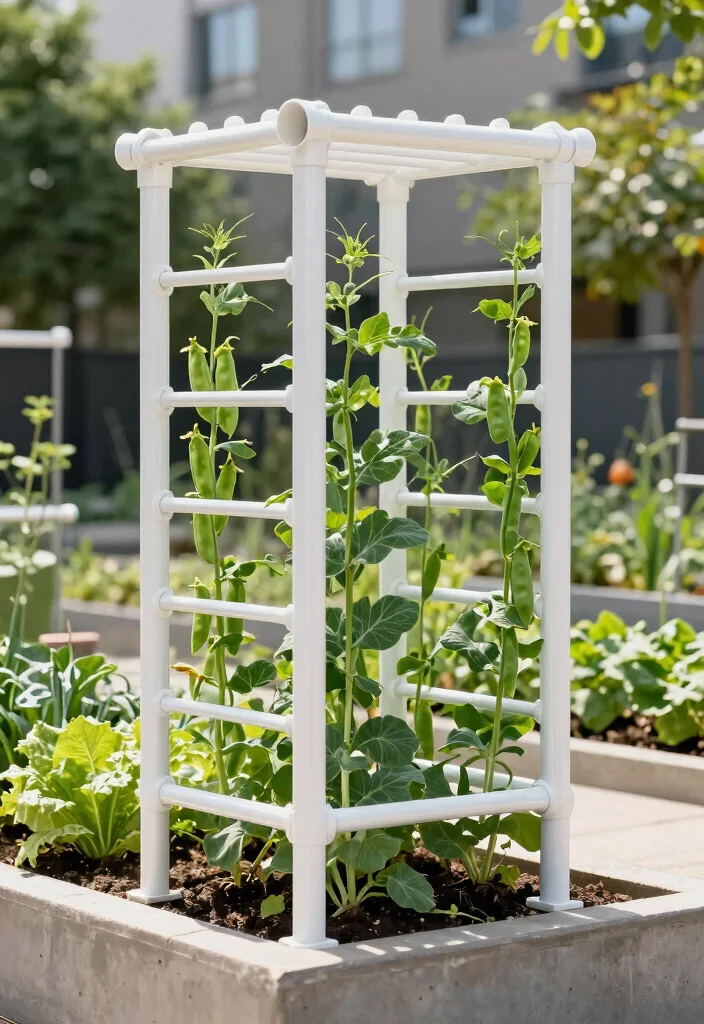
Looking for a budget-friendly and durable trellis? A PVC pipe option is lightweight, easy to set up, and maintenance-free for years. Its smooth surface allows plants to climb easily, making it a smart support system for snap peas.
Setting up a PVC pipe trellis is simple:
– Cut the pipes to your desired height and connect them using elbows and connectors to form a grid.
– Secure the structure in your raised bed for stability.
– Wrap jute twine around the pipes for your snap peas to grab onto as they climb.
You can customize this trellis to fit your gardening needs, making it versatile for small spaces.

Product Details: Dimension: 6.8ft (L) x 6.8ft (H), 4.9-5.9ft (W), you can adjust the width as needed; The sturdy structure allows for a wide variety of plants to climb and...
7. Vertical Pipe Garden
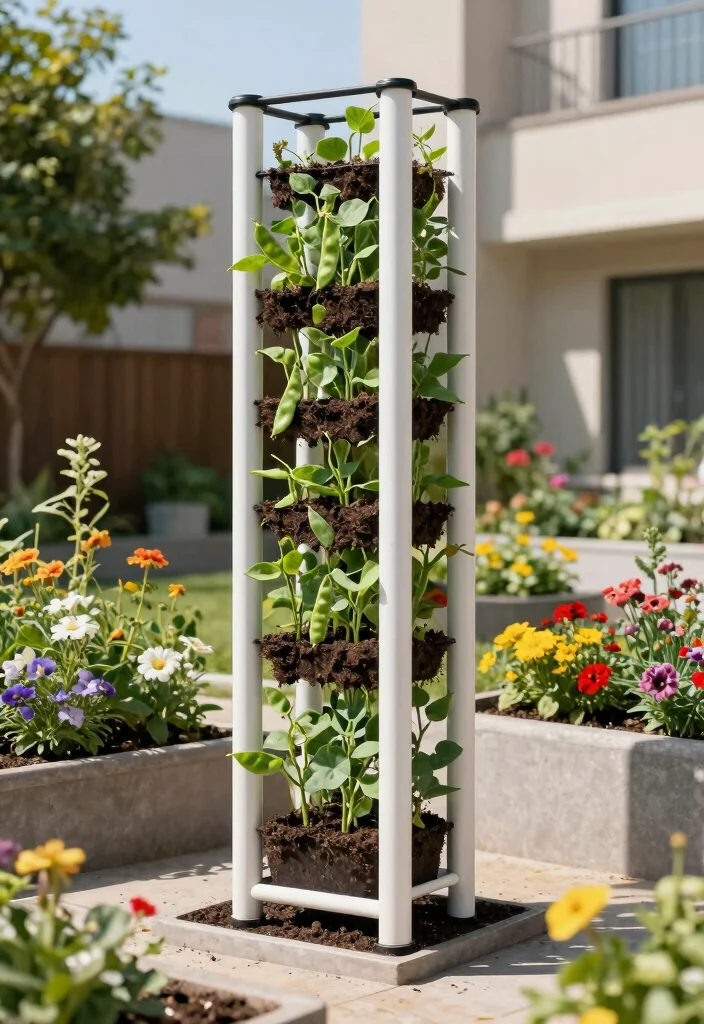
If your space is limited, try a vertical pipe garden trellis! This innovative design allows snap peas to grow upward, maximizing your gardening area in small urban plots. Filling vertical pipes with soil and planting snap peas creates a striking display.
To create this:
– Cut durable pipes and secure them vertically in the ground.
– Drill holes for planting snap peas at various heights.
– Water well and add nutrients for healthy growth.
This unique concept not only supports your plants but also serves as an eye-catching conversation starter for visitors.

【Package included】:Crafted from robust hollow steel, this garden stakes features a fade-resistant green plastic coating, offering reliable protection against wind, rain, and rust. This Trellis for Climbing Plants Outdoor comes complete with everything you need to get started: 17pcs metal stakes, 8pcs T shape connect pipe, 2 A-shaped connectors, and a 0.9x1.8meter bird net.

🌑【Plant Support】Our bamboo lattice frame provides strong support for upward growth of plants. With a ladder-like structure, it is stable and sturdy, assisting plants in climbing upward.

【DURABLE MATERLAL & STABLE STRUCTURE】This garden arch is made from FSC-Certified wood with fully sanded, which has a smooth surface to prevent any unwanted injury caused by wood splinters. Natural solid wood material is weatherproof, durable and strong enough to hold various plants, while providing both you and your plants a safe environment
8. String and Post Trellis
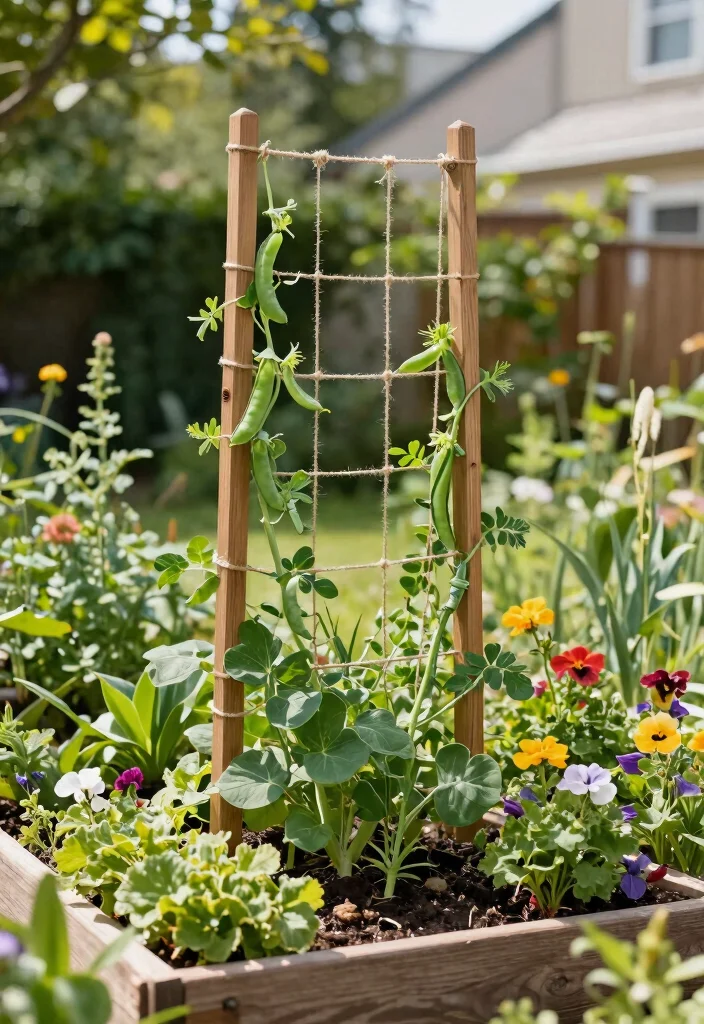
Need a simple solution for your snap peas? The string and post trellis is easy to set up and perfect for novice gardeners. The posts provide stability while the twine offers a graceful support system for climbing plants.
Here’s how to build one:
– Install sturdy wooden posts at both ends of your raised bed.
– Run horizontal strings or twine between the posts at different heights.
– Encourage snap peas to cling to the strings as they grow.
This cost-effective design can be easily adjusted as your plants grow, providing flexibility in your gardening approach.

【Easy To Assemble】 The trellis for climbing plants is easy and quick to assemble. Insert the ground spike into the ground, and then fix this plant stand near the wall, flower pot or fence. Includes plant tie tape and assembly screws for easy setup.Unit dimension: 4 pack, 70.8" high x 19.7" wide. Note: Vines shown are not included.

Forever Bamboo Natural and peeled willow trellis for outdoor garden is expandable and supports both small and large gardens

【Tool-Free Quick Assembly】 No extra tools or complex instructions needed! Just insert the 11.8-inch reinforced ground spike into soil, and your plant trellis is ready to use in 5 minutes. Perfect for busy gardeners—no professional skills required. Unit Dimension: 2 Pack, 86.7" H x 19.7" W. Note: Vines and plants are not included.
9. Wire Hoop Trellis
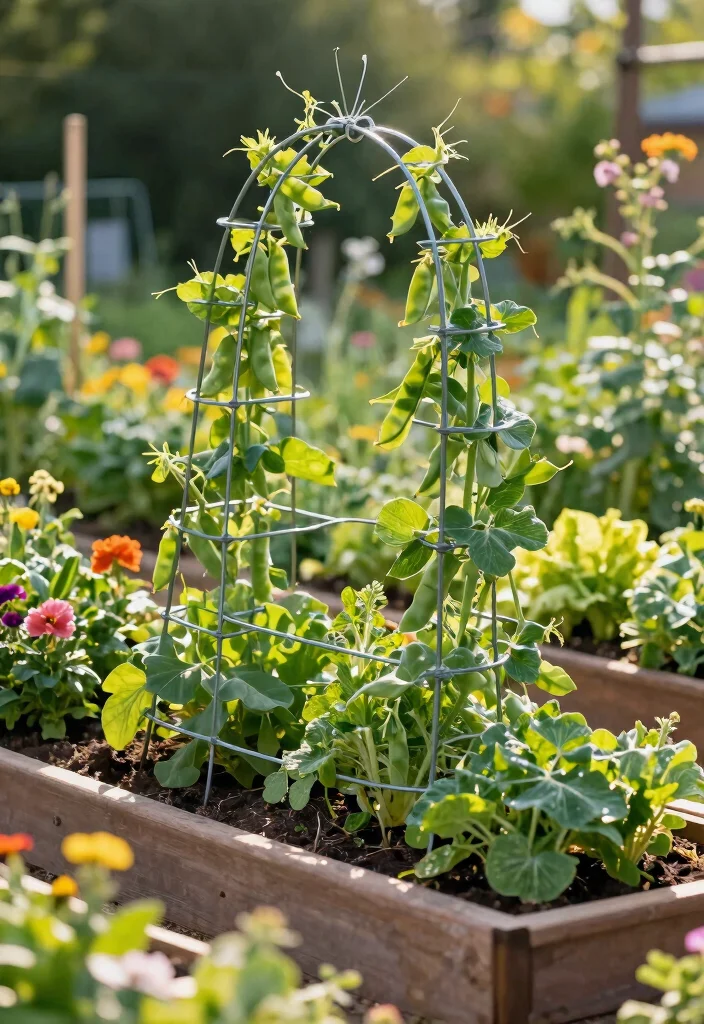
For a fast and effective trellis solution, wire hoop trellises are a perfect fit for snap peas. This design requires minimal materials and can be adjusted easily to fit your space. The curved hoops create an ideal arch for your plants, forming a lush canopy as they thrive.
To create your wire hoop trellis:
– Use flexible wire or metal hoops secured into the ground.
– Space the hoops apart and plant snap peas at the base of each one.
– Train the plants to grow upwards towards the sky.
This trellis idea supports your crops while adding a delightful visual element to your garden, allowing light and air to flow freely.

[Ideal Size & Bonus Netting] Compact A-frame design (47" H x 31.5" W) provides stable vertical support. Each set includes durable nylon netting to help vines climb easily and stay organized.

15-SECTION NATURAL WOODEN LADDER:Wooden Ladder Plant Trellis Crafted from 15 pieces of durable, natural wood, this wooden ladder plant trellis offers strong and rust-free support for your indoor and outdoor climbing plants. The smooth wood finish promotes healthy vine growth while adding a touch of natural elegance to your space.

1. 20-Section Solid Wood Design for Natural Strength & Beauty Crafted from 20 durable, smooth-finished natural wood pieces, this trellis provides strong, rust-free support that lasts. The natural wood grain adds timeless elegance to your indoor or outdoor space while promoting healthy vine attachment and growth—far superior to cold, rusty metal alternatives.
10. Archway Trellis
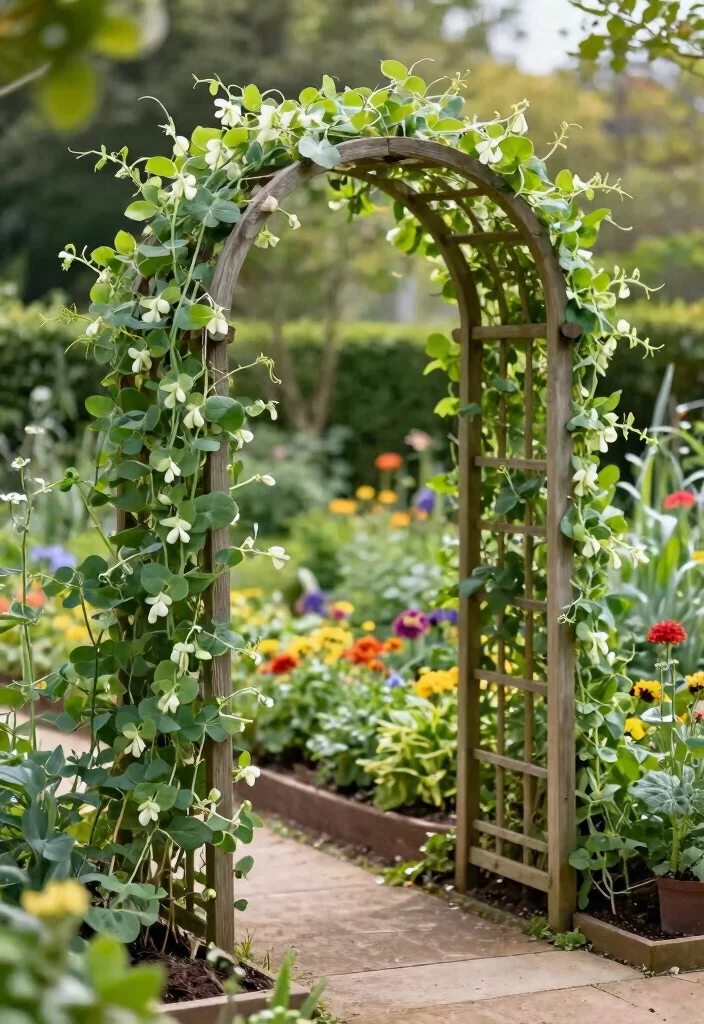
An archway trellis creates a stunning focal point while providing excellent support for climbing snap peas. This design can be made from wood, metal, or even repurposed materials, adding beauty to your small plot.
To create your own archway trellis:
– Form a semicircular shape using strong materials like wood or metal rods.
– Secure it deeply in the ground to withstand strong winds.
– Plant snap peas at the base and guide them to climb the archway.
The result is not just functional; it transforms your garden into a picturesque space where snap peas frame a lovely entry point, encouraging exploration.
11. Garden Fence Trellis
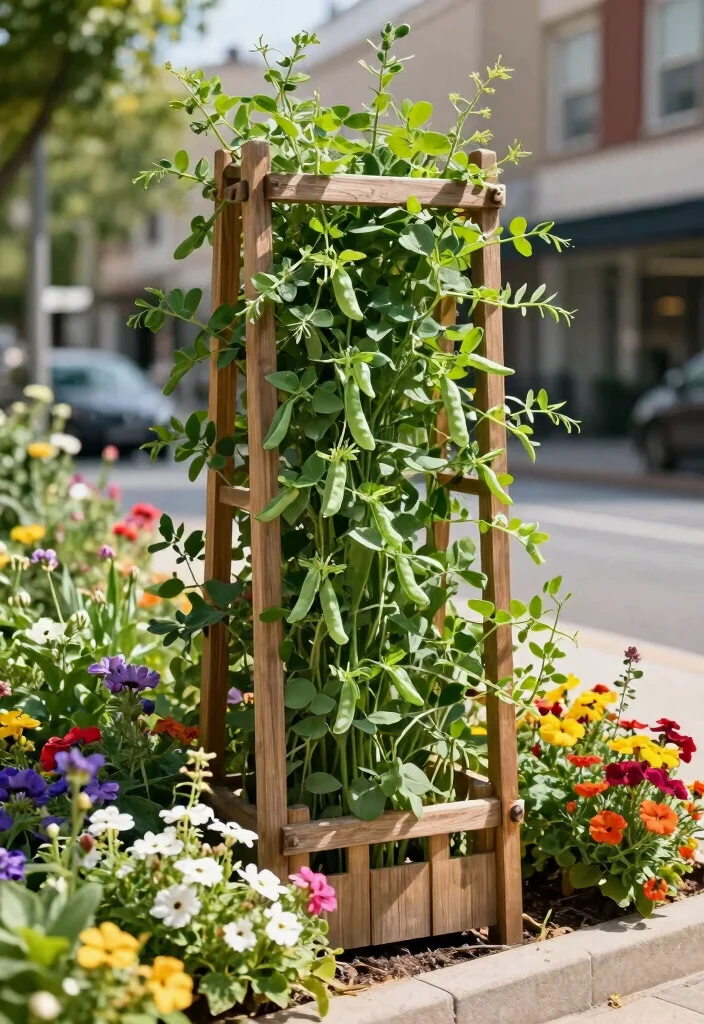
Your garden fence can double as a trellis for snap peas, maximizing space while adding charm. Whether it’s a wooden fence or a modern metal one, this design allows your snap peas to climb naturally, creating a defined boundary.
Here’s how to utilize a garden fence:
– Encourage snap peas to grow up the fence by tying them lightly with twine.
– If the fence is too tall, consider using a step ladder to help position the plants.
– Ensure the fence is well-maintained to provide a healthy environment for your plants.
Using existing structures saves materials and beautifully integrates your garden with the landscape.
Fun fact: A garden fence trellis can add up to 3x vertical space for snap peas in a small plot. Lightly tie vines with twine and harvest pods from a sunny border. Pro tip: if the fence is tall, a portable step ladder helps with positioning.
12. Pallet Trellis
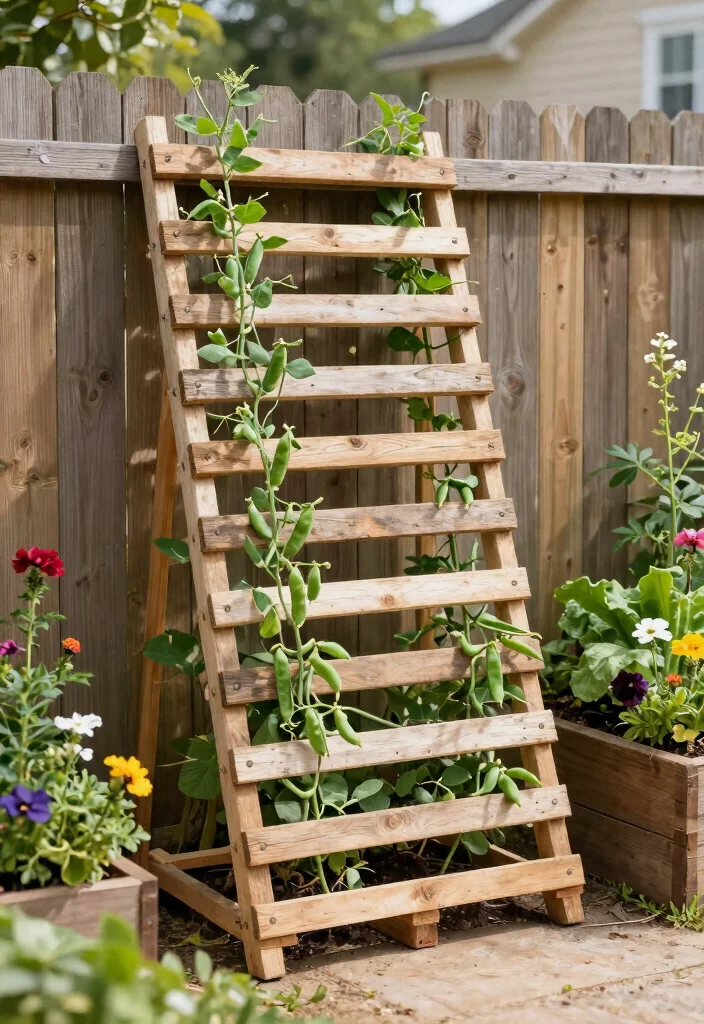
Recycling pallets into a trellis is a creative way to support snap peas while adding rustic charm. This eco-friendly method provides multiple levels for your plants to thrive in a compact area. It’s a fun project that can be completed over a weekend!
To construct your pallet trellis:
– Stand an old pallet vertically against a wall or fence.
– Secure it firmly to avoid falling over.
– Plant snap peas along the base, letting them climb through the wood gaps.
This idea promotes recycling and offers a unique texture and interest to your garden space.
13. Espalier Trellis
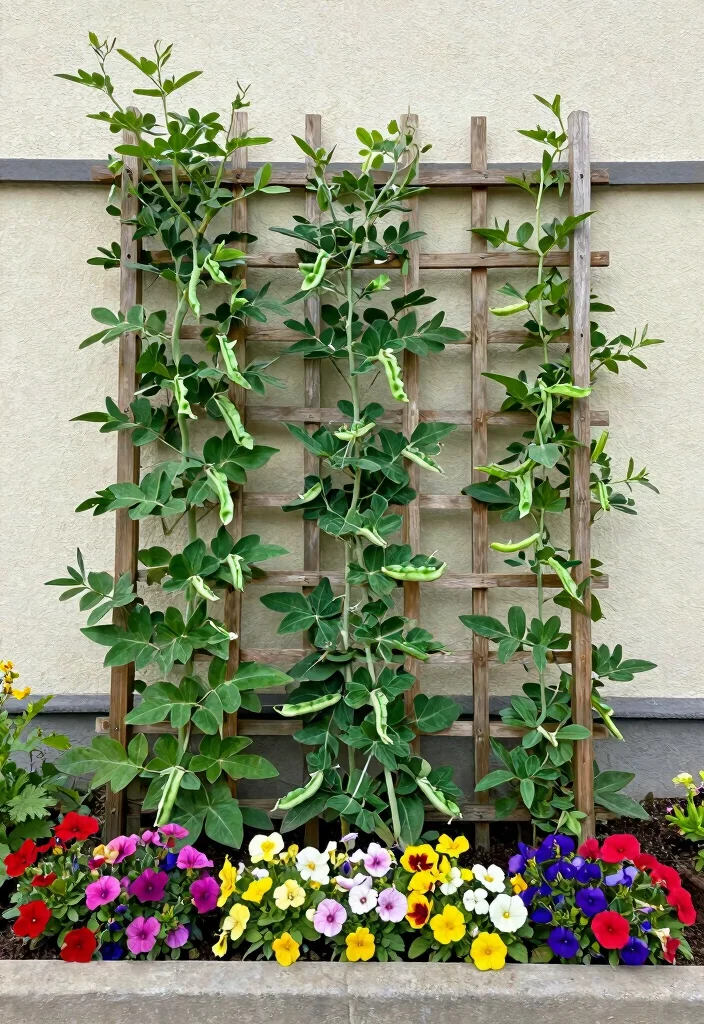
An espalier trellis not only supports snap peas but also makes a stunning addition to your garden. This method of training plants to grow flat against a trellis creates a living art piece that maximizes vertical space beautifully. It’s especially effective in urban gardens with limited room.
To create an espalier trellis:
– Use a solid trellis or wall as your backdrop.
– Train your snap peas to grow horizontally by tying them to the trellis at intervals.
– This technique saves space and enhances visual appeal.
Consider adding colorful flowers at the base to enhance the beauty of this unique design, creating a stunning showcase.
Did you know an espalier trellis can boost vertical growth by up to 60% in compact spaces? Train your snap peas to grow horizontally along a solid backdrop, turning walls into a living, space-saving garden feature.
14. Trellis Arch with Planters
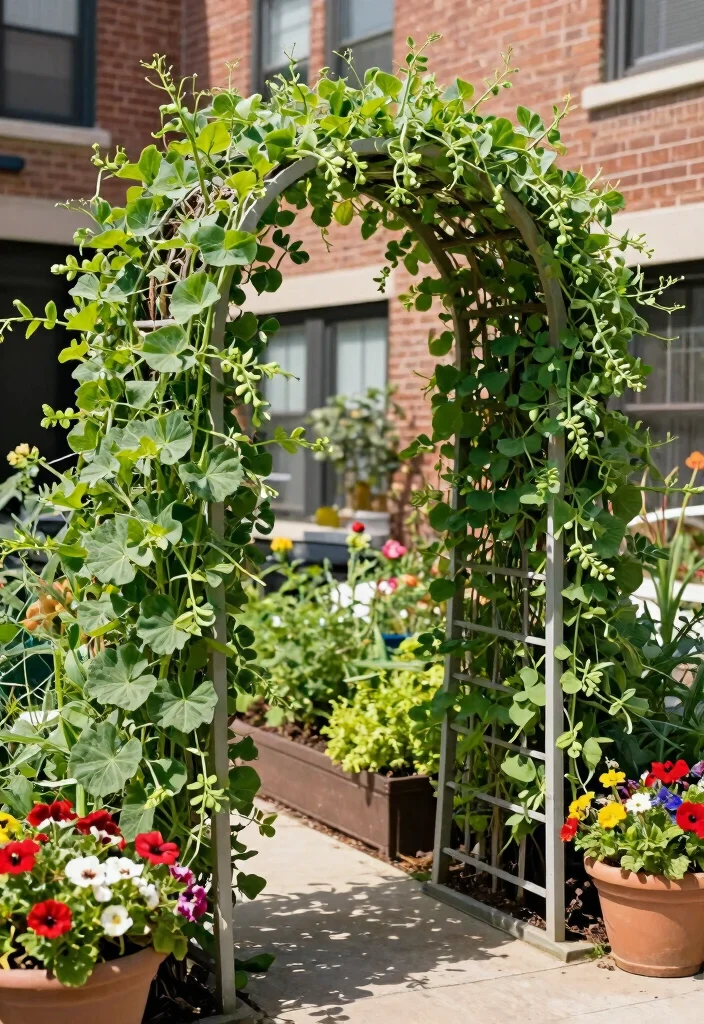
Combining planters with a trellis arch design merges beauty with functionality. This idea not only supports snap peas but also allows for additional planting, maximizing your small garden plot.
To create this stunning feature:
– Build a trellis arch and secure planters filled with herbs or flowers on each side.
– Encourage snap peas to grow up the center, creating a lush green canopy.
– Ensure proper drainage in the planters for healthy growth.
The result is not just a functional solution; it’s a striking centerpiece that adds dimension and character to your garden, inviting visitors to explore.
Conclusion
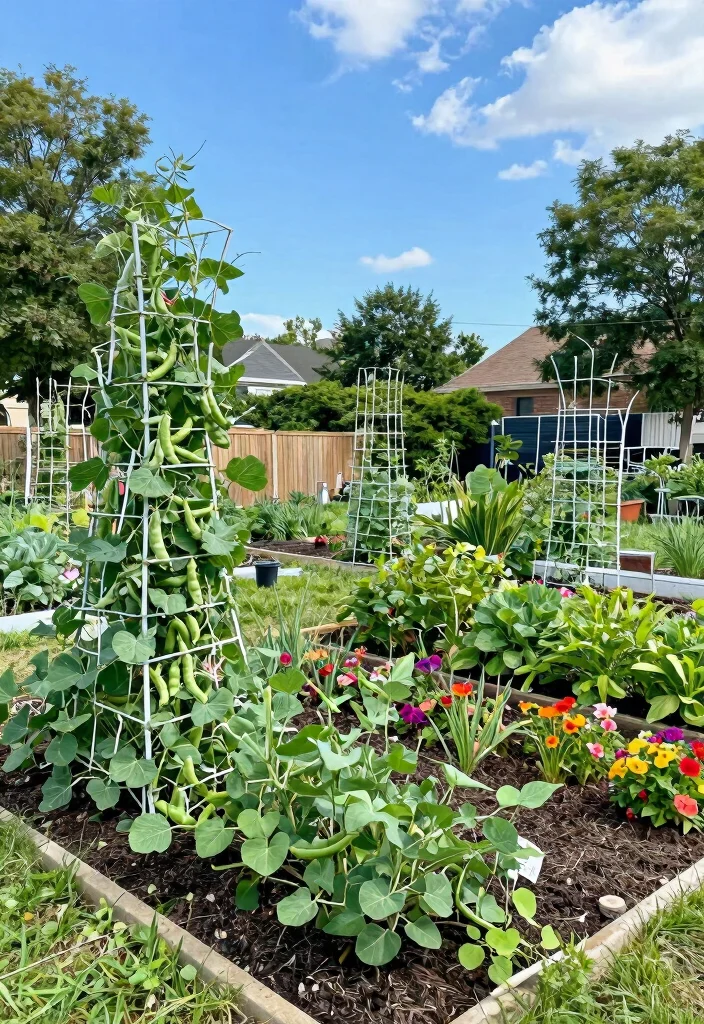
Growing snap peas in a small space shouldn’t feel limiting; instead, it should invite creativity and innovation. With these 14 trellis ideas, your urban gardening experience can be both productive and visually appealing. Each design offers unique advantages and aesthetic appeal, turning your compact space into a thriving garden.
Try incorporating these trellis concepts into your raised beds and small plots to enjoy the delicious rewards of your hard work. Happy gardening!
Frequently Asked Questions
What is the best snap pea trellis design for raised beds in small plots?
For raised bed gardening in small plots, choose a snap pea trellis that is sturdy and tall enough for vigorous vines, but with a narrow footprint. Look for a design around 4–6 ft tall and 18–24 inches wide, using materials like galvanized wire, welded hardware cloth, or bamboo that you can anchor to the bed or a nearby fence. A panel or freestanding frame attached along the bed edge works well; it should be easy to tie in new growth with soft ties and allow good air circulation to prevent disease. This keeps the focus on snap pea trellis and raised bed gardening, while maximizing small space gardening potential. Remember to harvest regularly so the vines stay productive.
Which snap pea support systems work best in tight urban spaces?
There isn’t one-size-fits-all—try several snap pea support systems that fit your space. Options include: 1) a narrow wire mesh panel along the bed edge, 2) a bamboo teepee or tripod, 3) a removable trellis netting attached to a fence, or 4) a small hardware-cloth panel that you can slide into place as the peas grow. In compact spaces, choose designs that are easy to install, easy to remove, and heavy enough to hold vigorous vines. Tie plants with soft garden ties every 6–8 inches to guide growth. This supports your vertical gardening ideas and keeps garden tidy for raised bed gardening and small space gardening.
How can I maximize vertical gardening ideas for snap peas in raised beds and compact plots?
To maximize vertical gardening ideas for snap peas, think multi-layered and movable. Run strings or a lightweight wire to create two or three levels of support along a raised bed, or train peas along a fence or trellis attached to the bed. Consider a modular system that can be extended as the peas grow, such as expanding panels or adjustable stakes. Plant peas along the edge so they can easily climb, and space rows for airflow. With careful planning, you can create a vertical garden that fits even the smallest plots while keeping harvests accessible. This leverages gardening trellis designs, vertical gardening ideas, and raised bed gardening.
Are there creative gardening trellis designs that fit urban gardening solutions for snap peas?
Yes. Creative gardening trellis designs can turn tiny spaces into productive pea patches. Try a bamboo teepee, a foldable lattice card panel, or a modular grid that bolts to a raised bed. You can also train peas to climb along a fence, wall-mounted trellises, or a shallow arched frame that sits over the bed. The key is to pick gardening trellis designs that are sturdy, weather-resistant, and easy to adjust as the plants grow. In urban gardening solutions, choose designs that save footprint while giving vines room to spread and air to circulate.
What maintenance tips keep snap peas productive on a compact trellis in raised beds?
Maintenance keeps snap peas productive on a compact trellis. Check weekly for loose ties or wobbling stakes and re-secure as vines become heavy. Prune lower growth to improve airflow and reduce disease risk, and guide new shoots with soft ties so stems don’t snap. Keep the base anchored in windy urban spots and mulch to control weeds. Water consistently at the roots, and harvest promptly to encourage continuous fruiting. With regular care, your snap pea trellis will stay productive in raised bed gardening and small space gardening setups.
Related Topics
snap pea trellis
raised bed gardening
small space gardening
vertical gardening
urban gardening
compact gardening solutions
DIY trellis ideas
snap pea support
beginner gardening
easy gardening projects
space-saving designs
seasonal gardening tips