
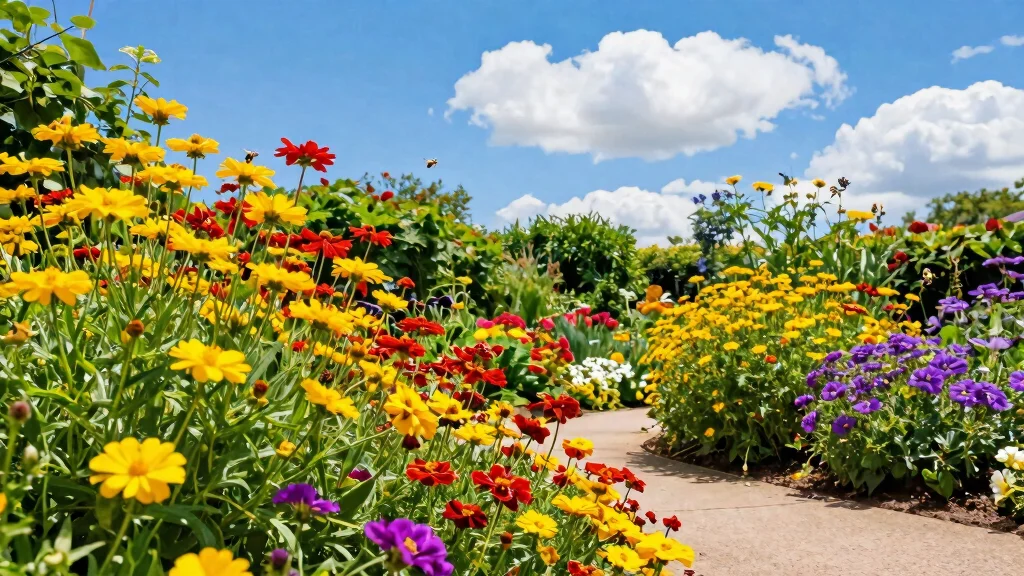
Gardening in the summer heat can feel like a battle. You want your front yard to bloom with color, but the relentless sun and dry conditions can be harsh on many plants. That’s why I created this post! I wanted to share some tried-and-true front yard flowers that not only survive the heat but thrive in it. These flowers can keep your garden looking full and vibrant all season long.
If you’re a gardening enthusiast looking to beautify your outdoor space without the constant worry of watering or heat stress, this guide is for you. Whether you’re an experienced gardener or just starting, you’ll find these recommendations helpful. I’ve pulled together a list of 14 drought-resistant flowers that are heat-tolerant, easy to maintain, and stunning in appearance. These selections will help you create a colorful landscape that brightens your front yard while minimizing the effort needed to keep it looking great.
In this article, you’ll discover unique flowers like Lantana and Mexican Sunflower, alongside timeless favorites like Lavender and Coneflower. Each flower on this list has its own charm and benefits, ensuring that your summer garden stays lively without demanding too much of your time. Get ready to explore these beautiful blooms that will keep your space flourishing under the summer sun.
Key Takeaways
– Find out about 14 heat-tolerant front yard flowers that are ideal for hot climates. Each one is chosen for its beauty and resilience.
– Learn about drought-resistant flowers that thrive with minimal water, perfect for those who want a low-maintenance garden.
– Discover practical tips on how to select flowers that will add vibrant colors to your landscaping while standing up to intense heat.
– Get insights into the maintenance needs of each flower, ensuring you know how to care for them effectively throughout the season.
– Understand the benefits of incorporating these flowers into your garden, making it not only beautiful but also eco-friendly and sustainable.
1. Lantana
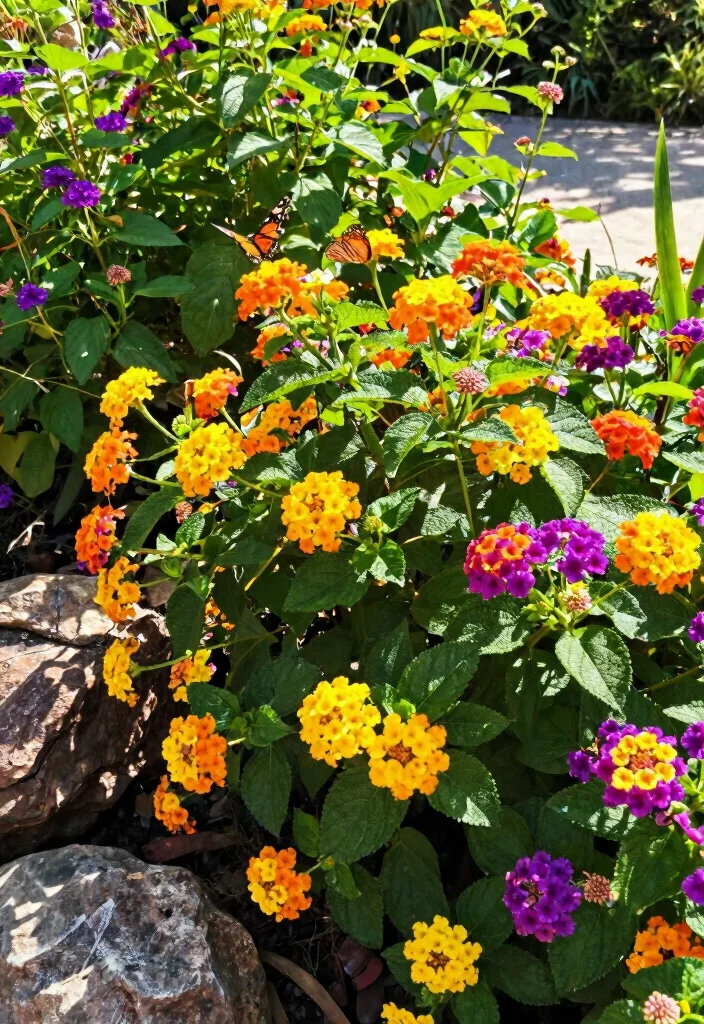
Lantana is a vibrant choice for those who want a flower that thrives in the heat. With its cheerful clusters of small flowers in shades of yellow, orange, and purple, it’s a favorite among gardeners. These beauties not only add color but also attract butterflies and hummingbirds, offering both aesthetic and ecological benefits.
To get the best results, plant them in full sun and enjoy their blooms from spring until fall. Lantana is incredibly versatile; use it as ground cover or along pathways. Plus, they’re resistant to deer and pests, allowing you to garden worry-free.
Consider these key tips for planting:
– Mix multiple colors for a stunning visual impact
– Use them as a border for pathways
– Deadhead flowers regularly to promote more blooms
With Lantana, your garden will be a lively spectacle of color and activity all season long.

EXTRA LARGE PACKET contains over 1 full ounce of pure live seeds (7,500+ seeds) - Enough to cover 100 square feet.

PREMIUM DROUGHT TOLERANT WILDFLOWER MIX: A carefully curated blend of hardy wildflowers selected to thrive in hot, dry, and low-water conditions. Suitable for xeriscaping, water-wise gardens, low-water landscapes, and challenging growing environments across the continental USA
Ongoing Maintenance & Care Guide
Maintenance Schedule:
Daily/Weekly Tasks:
– Watering: Check soil moisture and water if the top inch feels dry. Aim for deep watering to encourage strong roots. (⏱ 10-15 minutes)
– Weed Control: Inspect for weeds and remove them by hand or with a hoe. This prevents competition for nutrients. (⏱ 15-20 minutes)
– Deadheading: Remove spent blooms to encourage more flowers. This keeps your front yard looking tidy. (⏱ 5-10 minutes)
– Pest Check: Look for signs of pests, like holes in leaves or sticky residue. Early detection helps prevent infestations. (⏱ 5 minutes)
Monthly/Seasonal Tasks:
– Fertilizing: Use a balanced, slow-release fertilizer every 4-6 weeks during the growing season. This boosts growth and blooming. (⏱ 20-30 minutes)
– Mulching: Apply a 2-3 inch layer of mulch to conserve moisture, suppress weeds, and maintain soil temperature. Refresh it as needed. (⏱ 30-40 minutes)
– Pruning: Trim back overgrown plants at the end of the blooming season. This promotes healthy growth for next year. (⏱ 30-45 minutes)
– Soil Testing: Every season, check soil pH and nutrient levels. Amend the soil as necessary to ensure the best growing conditions for your flowers. (⏱ 30 minutes)
– Seasonal Planting: Replace any dead or struggling plants with new drought-resistant flowers for continuous color. (⏱ 1 hour)
Maintenance Summary Table:
| Task | Frequency | Difficulty | Time Needed |
|—————————|————-|————|—————|
| Watering | Daily | Easy | 10-15 minutes |
| Weed Control | Weekly | Easy | 15-20 minutes |
| Deadheading | Weekly | Easy | 5-10 minutes |
| Pest Check | Weekly | Easy | 5 minutes |
| Fertilizing | Monthly | Moderate | 20-30 minutes |
| Mulching | Monthly | Moderate | 30-40 minutes |
| Pruning | Seasonal | Moderate | 30-45 minutes |
| Soil Testing | Seasonal | Moderate | 30 minutes |
| Seasonal Planting | Seasonal | Moderate | 1 hour |
Common Issues to Watch For:
⚠️ Yellowing Leaves: This can indicate overwatering or nutrient deficiency. Check soil moisture and consider fertilizing.
⚠️ Wilting Flowers: If flowers are wilting even after watering, it could mean root rot or drought stress. Inspect the roots and adjust watering habits.
⚠️ Discolored Spots on Leaves: Look for mold or mildew, which can arise from too much humidity. Ensure good air circulation around plants.
⚠️ Stunted Growth: Plants not growing well might need nutrient boosts or could be suffering from pest damage. Take action early to revive them.
⚠️ Pests or Insects: If you notice insects like aphids or spider mites, act quickly with insecticidal soap or neem oil to keep your flowers healthy.
Care Tips:
💡 Choose Native Plants: Selecting flowers native to your area ensures they thrive in local conditions. They require less water and care.
💡 Water Early: Watering in the morning prevents evaporation and allows plants to absorb moisture throughout the day.
💡 Rotate Your Blooms: Changing the flowers each season or year can help prevent soil depletion and pest build-up. Try different drought-resistant varieties.
💡 Use Drip Irrigation: This system delivers water directly to the roots, minimizing waste and keeping your flowers hydrated without overwatering.
💡 Observe Weather Patterns: Pay attention to seasonal changes and adjust your care routine accordingly. A dry spell may require more frequent watering.

Abundant Pack for Garden Projects: This pack includes 600 lantana flower seeds, perfect for large garden beds, containers, or balcony landscaping. Great for creating a vivid, lively garden atmosphere with seasonal color

MIXED COLORS: Lantana Camara seeds produce vibrant, multicolored blooms that add stunning visual appeal to any indoor or outdoor garden space.

Contains 250 lantana seeds with multi-color gradient effect, gorgeous and layered colors;
2. Mexican Sunflower
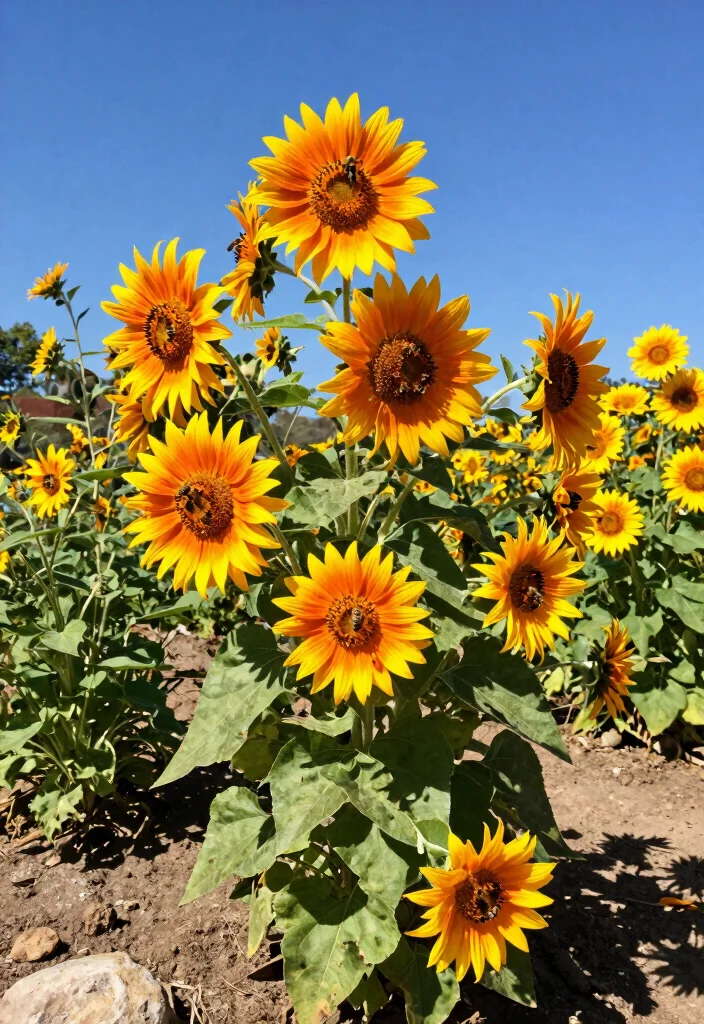
Mexican Sunflower, or Tithonia, is a standout flower that brings a burst of color to your garden. Its bright orange and yellow blooms are perfect for hot, dry areas, creating a warm and inviting atmosphere. These flowers not only look magnificent but also attract essential pollinators, enhancing your garden’s health.
For optimal results, plant them in full sun and ensure they have well-drained soil. They require minimal maintenance, needing water only during dry spells. For a stunning impact, plant them in bold groups to create a vibrant display that welcomes visitors.
Here are some tips for growing Mexican Sunflowers:
– Group plants for maximum visual impact
– Water only during prolonged dry periods
– Use them as cut flowers for beautiful indoor arrangements
With Mexican Sunflowers, your garden will be alive with color and buzzing with activity!

Easy Growing: Perfect for both novice and experienced gardeners, these seeds thrive with minimal maintenance while producing stunning blooms in your garden landscape

Award-Winning Bloom Density: Fiesta del Sol produces a profusion of 2–3 inch deep orange blooms that appear in dense clusters, creating a nonstop floral show from early summer through frost. Each flower emerges from compact, well-branched plants for a tidy and vibrant look in any space.

Strongly branched and full of blooms
3. Salvia
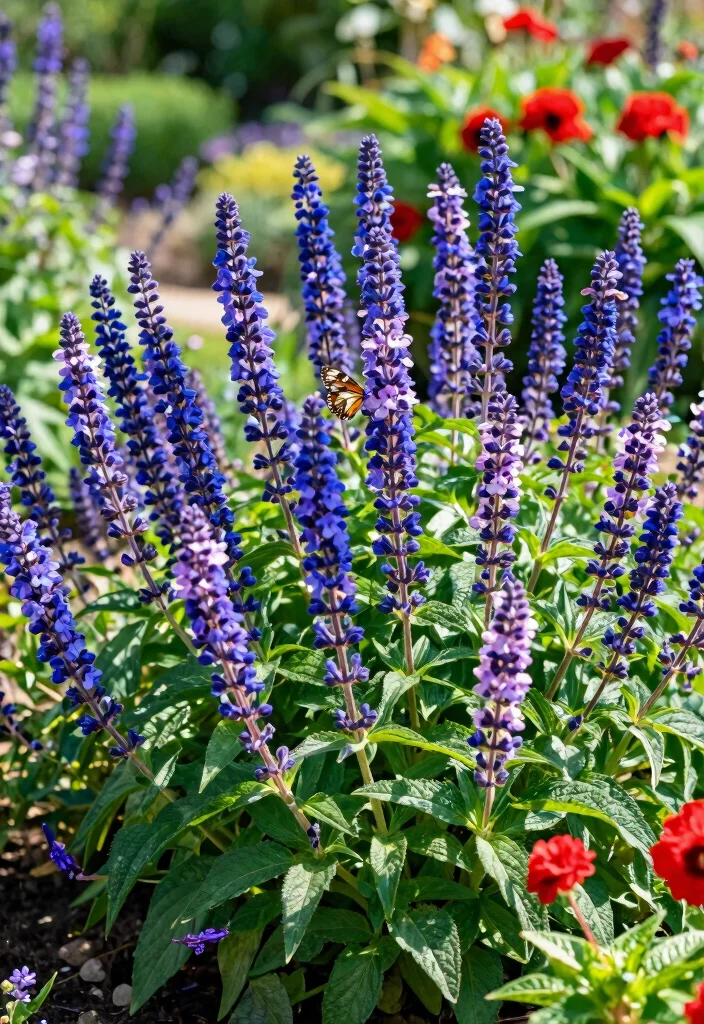
Salvia is a fantastic option for those seeking heat-loving plants with stunning visual appeal. Available in colors ranging from deep blue to bright red, these flowers bring excitement to your garden. They are not only beautiful but also thrive in hot climates, making them a gardener’s dream.
Plant salvia in well-drained soil and full sun for the best results. They are low-maintenance and attract hummingbirds and butterflies, adding life to your outdoor space. Pair different colors for a striking effect or use them as elegant borders in your landscaping.
Consider these planting tips:
– Mix various colors for a vibrant display
– Use as borders for added vertical interest
– Prune spent blooms to encourage more flowers
By adding salvia to your garden, you’ll enjoy a colorful and lively landscape throughout summer.
![Greenwood Nursery: Live Perennial Plants - Sensational Lavender + Lavenandula x Intermedia - [Qty: 2X Pint Pots] - (Click for Other Available Plants/Quantities)](https://m.media-amazon.com/images/I/511meVkTXXL._SL500_.jpg)
🌿 [INFO1] - The next generation of Phenomenal Lavender. It's large thick lavender flowers grow on extra sturdy stems. Beautiful thick silver foliage provides the base for dense branching stems topped with sweet lavender buds. The Sensational Lavender has extremely good heat and humidity tolerance and is cold tolerant. Hardy in zones 5 to 9.
🌿 [INFO1] - The next generation of Phenomenal Lavender. It's large thick lavender flowers grow on extra sturdy stems. Beautiful thick silver foliage provides the base for dense branching stems topped with sweet lavender buds. The Sensational Lavender has extremely good heat and humidity tolerance and is cold tolerant. Hardy in zones 5 to 9.

Due to agricultural laws, we CANNOT SHIP TO CA, AZ, AK, or HI - orders will not ship to any of these states
4. Zinnia
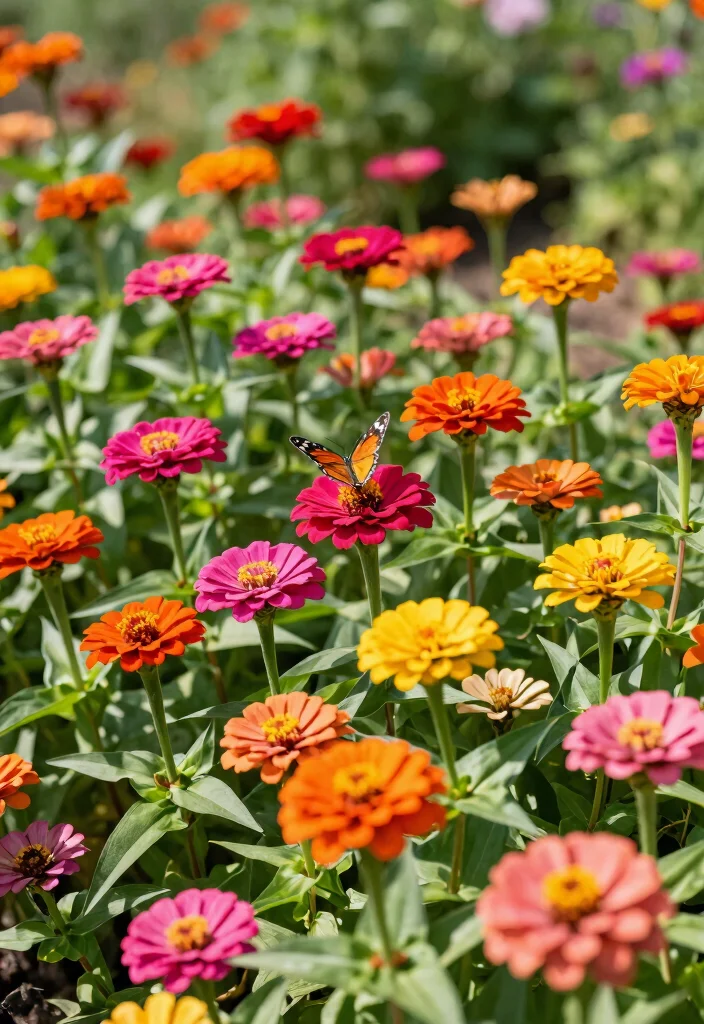
Zinnias are the cheerful stars of any garden, known for their bold, vibrant colors. These flowers thrive in full sun and are available in various shapes and sizes, making them incredibly versatile. Easy to care for, zinnias handle drought well and resist pests, perfect for busy gardeners.
Plant them in well-drained soil, and they will bloom from late spring until frost. Mixing different varieties will give you a stunning patchwork effect that’s sure to impress passersby. Zinnias also make excellent cut flowers, brightening your home with their long-lasting beauty.
Here are some tips for growing zinnias:
– Mix different varieties for a colorful display
– Cut flowers regularly for indoor arrangements
– Save seeds for next year’s planting
With zinnias, your garden will not only thrive but also bring joy indoors!
Fun fact: Zinnias thrive in full sun and can bloom for 4–6 months in hot climates. Plant 3–5 varieties for a patchwork of front yard flowers that’s drought-friendly, pest-resistant, and bursts from late spring until frost.

Abundant Seed Count: Contains 285 premium coneflower seeds, providing ample quantity to create expansive wildflower displays throughout your outdoor garden spaces, meadows, or naturalized landscape areas with vibrant, eye-catching blooms
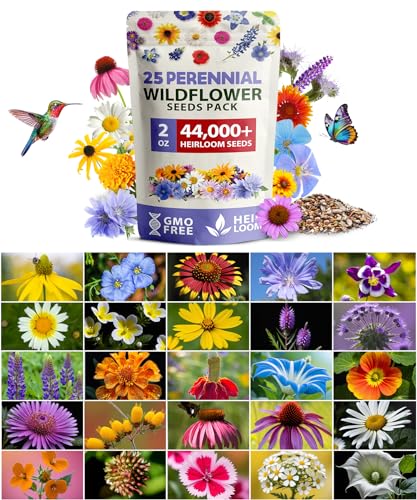
Pure Seed Quality: Two ounces of premium wildflower seeds with high germination rate; Covers 250 square feet with vibrant perennial wildflowers; Creates stunning butterfly garden with lasting blooms; Perfect for pollinator gardens

BULK ¼ POUND BAG contains over 30,000 fresh seeds, 100% Pure Live Seeds - Enough to cover over 400 square feet.
5. Gaillardia (Blanket Flower)
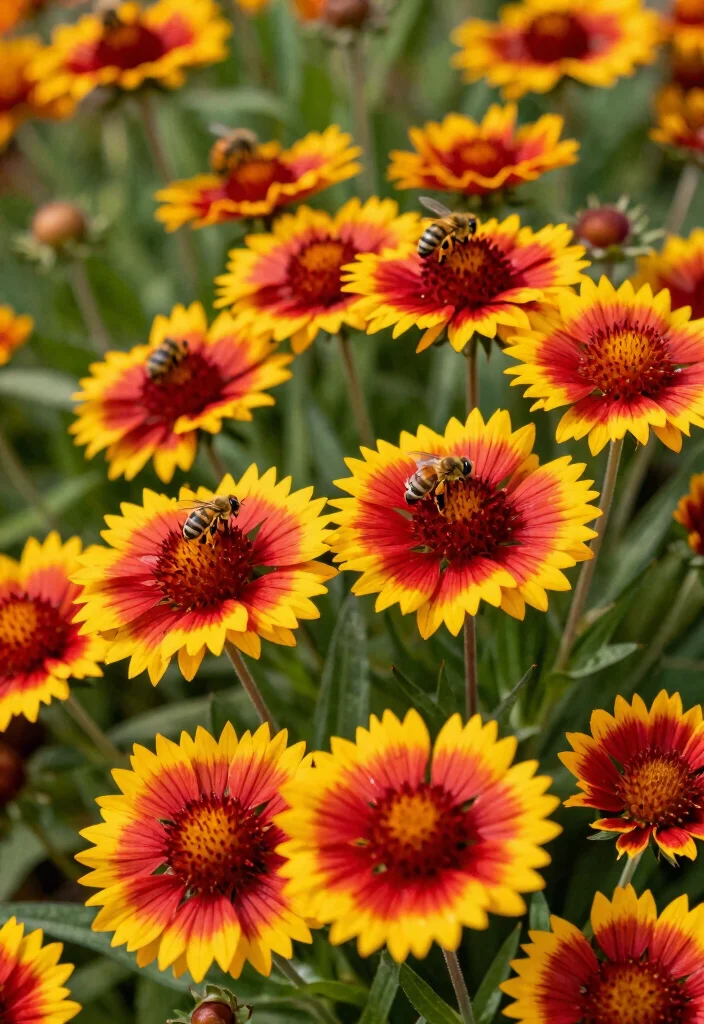
Gaillardia, known as Blanket Flower, adds a bold splash of color to your front yard. Its fiery red and yellow petals create a stunning visual display that stands out in any landscape. These tough perennials are drought-resistant and thrive in poor soils, making them a low-maintenance option for gardeners.
For best results, plant them in full sun, and they will reward you with blooms from late spring to fall. Gaillardia also attracts butterflies, making your garden a haven for pollinators. Planting them in clusters will create a striking focal point in your landscaping.
Consider these tips for growing Gaillardia:
– Plant in clusters for maximum impact
– Deadhead regularly to prolong blooming
– Use them in mixed borders for added charm
With Gaillardia, your garden will be vibrant and buzzing with life all season long.

🌵 23 Heirloom Varieties – Annuals + Perennials: A curated mix of 23 drought‑tolerant species. Annuals provide fast first‑season color, while perennials return year after year – creating a low‑water wildflower meadow that thrives on neglect.


These gigantic blooms blaze with vibrant color and completely cover the small plants from early summer until frost, which you can't improve. What makes this Gazania line so special is its combination of very large blooms, an early and long bloom season, and ultra-tolerant, low-spreading plants.
6. Coneflower
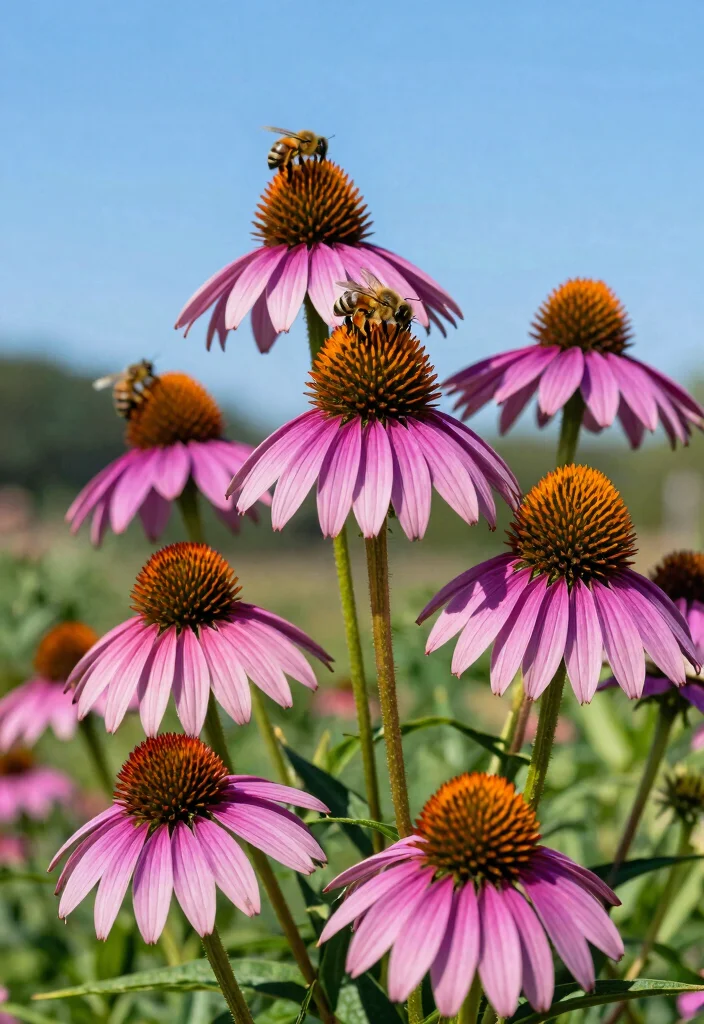
Coneflowers (Echinacea) are not only beautiful but also bring a host of benefits to your garden. With their distinctive daisy-like shape and spiky centers, they come in charming hues of pink, purple, and white. These hardy blooms thrive in hot climates and require minimal care once established.
Plant them in well-drained soil and full sun for best results. Coneflowers bloom from summer to fall, attracting bees and butterflies while adding a vibrant touch to your garden. They also make stunning cut flowers, perfect for brightening up your indoor space.
Here are some key tips for growing coneflowers:
– Allow seeds to scatter for new plants next year
– Pair with other perennials for a lively display
– Water sparingly once established
With coneflowers, you’ll enjoy a beautiful and eco-friendly garden that lasts all season.

Colorful & Long-Lasting Blooms: Produce vibrant, multi-colored clusters that bloom continuously from spring through fall, creating a beautiful garden display

Remarkably Drought-Tolerant & Low-Maintenance - Once established, lantana thrives with minimal watering, making it perfect for busy gardeners, xeriscaping, and hot, dry climates. It actually prefers to be on the dry side!

Sowing Guide: Start seeds indoors 6 to 8 weeks before the last expected frost. Gently press the seeds into the surface of a moist seed-starting mix, as light aids germination. Keep the soil consistently moist until germination occurs.
7. Daylily
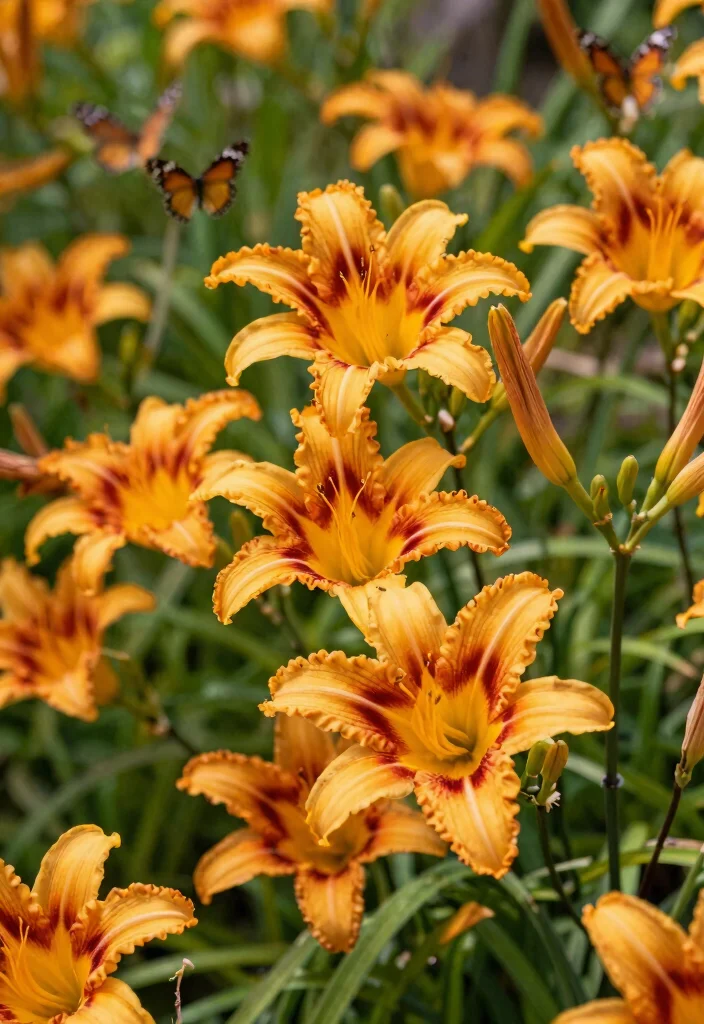
Daylilies are a beloved classic for gardeners seeking reliable, heat-tolerant blooms. Available in a variety of colors, from bright oranges and yellows to soft pastels, they cater to diverse tastes. These resilient perennials thrive in various soil types and require very little care.
Daylilies can withstand drought, making them ideal for sunny front yards. Each bloom lasts just a day, but many buds open daily, ensuring continuous color throughout the summer. Plant them in drifts for a stunning visual effect.
Consider these tips for daylilies:
– Divide every few years to keep them healthy
– Use them in borders or as backdrops
– Water regularly during dry spells
With daylilies, your garden will shine with vibrant colors while being easy to maintain!


🌻 BRILLIANT BLOOMS – Bright red-orange flowers up to 3" wide stand out against velvety green foliage; perfect for bouquets

BLOOM TIME: Enjoy vibrant blooms from July through the first frost of the season
8. Lavender
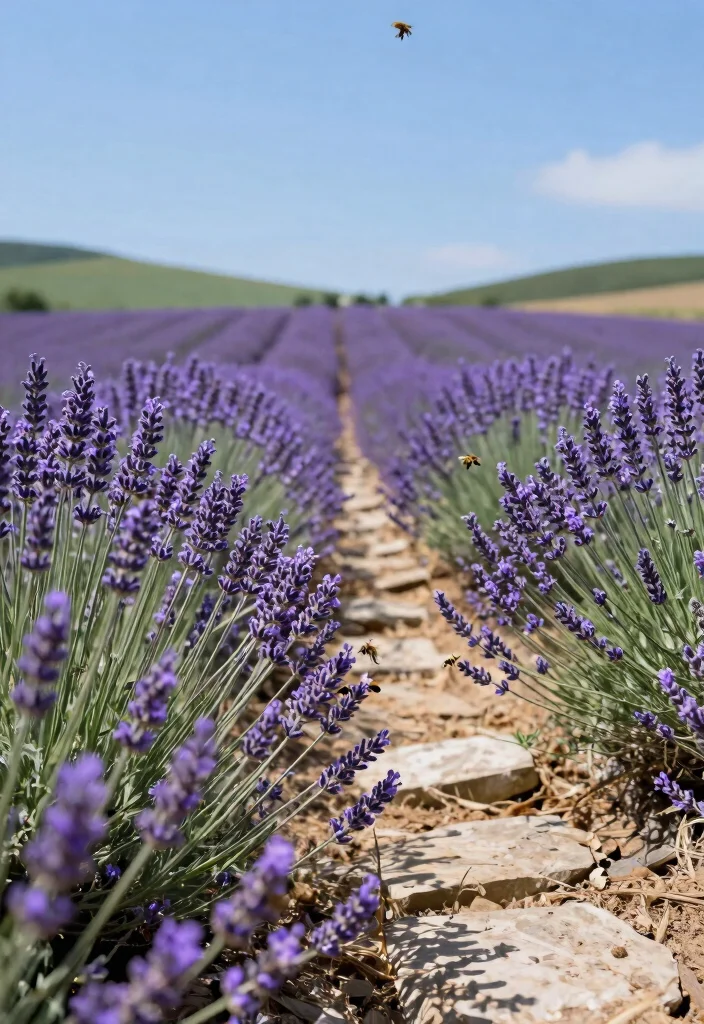
Lavender not only beautifies your garden but also fills the air with a delightful fragrance. This drought-resistant plant flourishes in hot, sunny spots and well-drained soil, making it an excellent addition to summer gardens. With its striking purple spikes and silvery-green leaves, lavender attracts butterflies and bees, enhancing your outdoor space.
Plant lavender in groups for a more dramatic effect, and enjoy its soothing scent wafting through the air. Additionally, lavender has culinary and aromatic uses, adding even more value to your garden. Harvest blooms when they’re fresh for sachets or culinary delights.
Here are some tips for planting lavender:
– Group plants for a bold display
– Trim regularly to encourage growth
– Use in pots or as a low hedge
With lavender, you’ll enjoy a fragrant and beautiful garden all summer long.
Lavender isn’t just pretty—it’s a practical front yard flowers option. Plant lavender in groups for drama, water sparingly, and watch these drought-smart blooms thrive through the summer heat.

Shipping Restrictions: Shipping is not available to California, Oregon, or Washington
![Greenwood Nursery: Live Perennial Plants - Achillea New Vintage Red Yarrow - [Qty: 10x Pint Pots] - (Click for Other Available Plants/Quantities)](https://m.media-amazon.com/images/I/41SunO89xEL._SL500_.jpg)
🌿 [INFO1] - From the New Vintage Series, this red yarrow, offers flat topped flower clusters with white eyes towering over its compact fern-like foliage. If you will clip away spent flowers, it will encourage new blooms on to frost. Spreads up to 12 inches wide.

ELEGANT GARDEN DISPLAY: Transform your garden into a scene of timeless elegance by sowing magic fountains lavender delphinium wildflower seeds and creating a breathtaking display of these old-fashioned favorites featuring a deep lavender hue and a striking white 'bee' at the center. This upright flowers stand tall, adding a classic touch to any outdoor space.
9. Coreopsis (Tickseed)
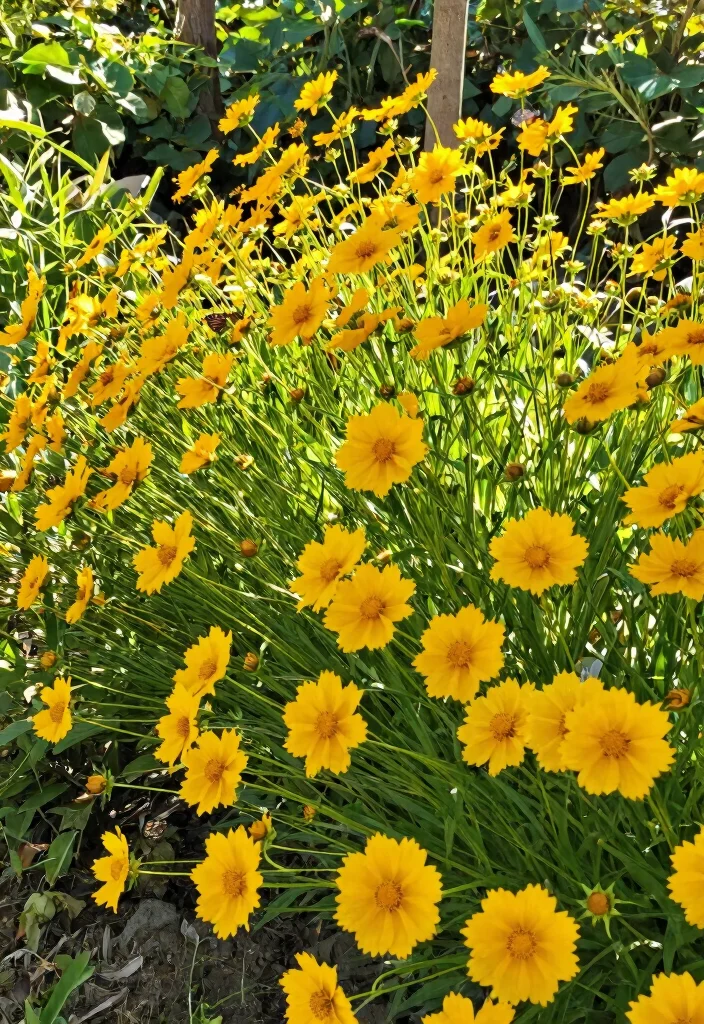
Coreopsis, also known as Tickseed, is a delightful flower that brightens any sunny spot. With its cheerful yellow or golden blooms, it adds a joyful pop of color to your landscape. These hardy perennials are drought-resistant and thrive in poor soils, making them incredibly low-maintenance.
Plant them in clusters to maximize their impact, and enjoy their vibrant show from early summer to fall. Coreopsis also attracts pollinators, contributing to the health of your garden. Frequent deadheading encourages more blooms, keeping your plants looking fresh and lively.
Consider these tips for growing coreopsis:
– Plant in clusters for a vibrant display
– Deadhead regularly to promote new blooms
– Mix with taller plants for a balanced look
With coreopsis, your garden will be a sunny haven of color and activity!

DROUGHT TOLERANT WILDFLOWER SEEDS: Create a colorful, water-wise garden with a carefully selected mix of heat-tolerant annual and perennial wildflowers that thrive in dry conditions and western landscapes. Ideal for low-water gardens, xeriscapes, and sunny areas.

VIBRANT YELLOW BLOOMS: Our echinacea coneflower seeds produce bright yellow daisy-like petals with a bold brown cone, creating an eye-catching display in any garden. These perennial echinacea flowers add a unique color variation to traditional flower beds, wildflower seeds mixes, and borders, perfect for enhancing your outdoor landscape.

16 Drought-Tolerant Native Wildflower Seeds - This xeriscape wildflower seed mix features Coreopsis, Coneflower, Evening Primrose, Prairie Clover, Lupine, Spiderwort, and Scarlet Sage. Water-wise native flower seeds for Eastern heat and drought.
10. Rudbeckia (Black-eyed Susan)
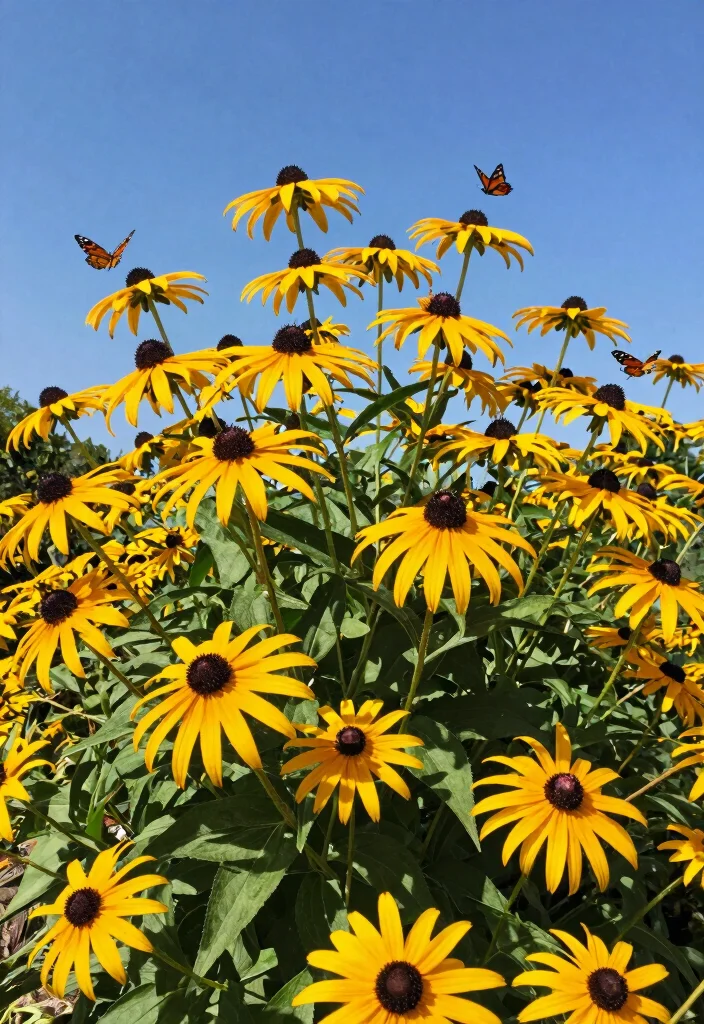
Rudbeckia, commonly known as Black-eyed Susans, are a staple for warm-climate gardens. Their bright yellow petals surrounding a dark brown center resemble cheerful suns, bringing warmth and joy to your front yard. These flowers are drought-resistant and easy to care for, ideal for busy gardeners.
Rudbeckia thrives in well-drained soil and full sun, blooming from summer to early fall. Plant them en masse for a stunning display that attracts butterflies and birds. Their hardiness ensures they shine even in hot weather, creating a vibrant front yard all season long.
Here are some tips for planting Rudbeckia:
– Plant in groups for maximum visual impact
– Pair with taller perennials for a layered look
– Use as cut flowers for indoor arrangements
With Rudbeckia, your garden will be lively and beautiful, attracting both people and pollinators!
11. Aster
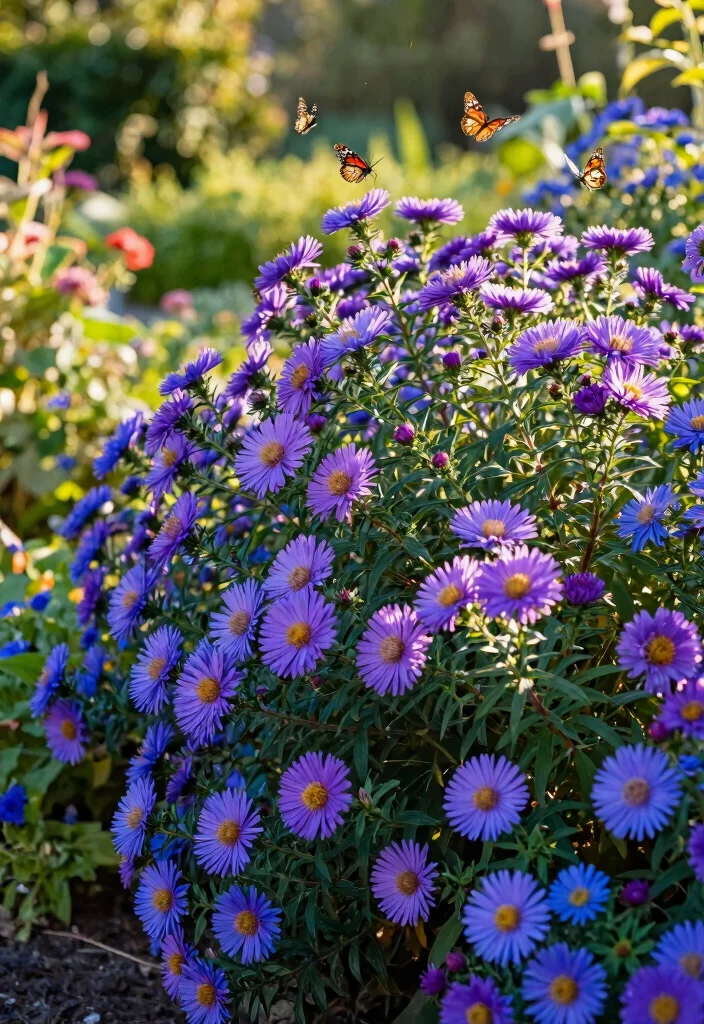
Asters are wonderful for adding late-season color to your garden. With rich purple, blue, or white petals, they bloom from late summer to early fall, extending the beauty of your outdoor space. These hardy perennials thrive in full sun and tolerate dry conditions, perfect for hot climates.
Plant asters in clusters for a striking display that attracts butterflies, bringing extra life to your front yard. They pair well with other late-blooming perennials, ensuring that your garden remains vibrant. Regularly cutting back asters in spring promotes healthy growth and vibrant blooms.
Consider these tips for growing asters:
– Plant in clusters for a stunning visual effect
– Pair with other perennials for added color
– Cut back in spring for healthy growth
With asters, your garden will continue to shine with color, even as summer fades!
Fun fact: Asters bring 6–8 weeks of late-summer color to your front yard flowers, keeping the yard vibrant as the season shifts. They love full sun and tolerate dry soil, so you can enjoy hardy color without extra effort.
12. Yarrow
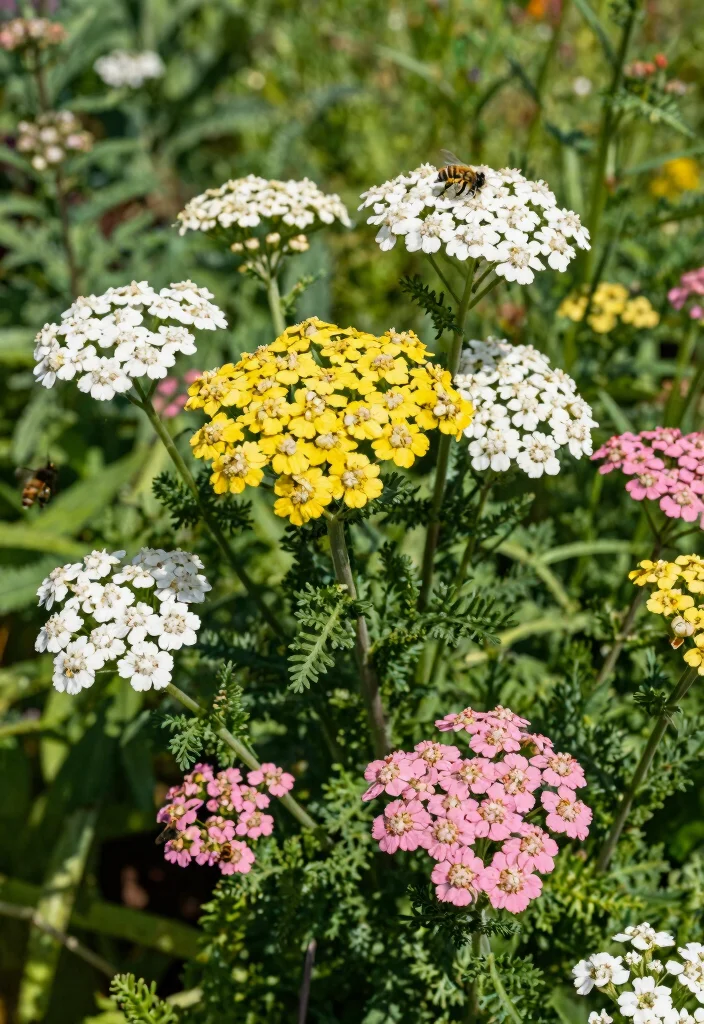
Yarrow is an intriguing addition to any drought-resistant garden. Known for its fern-like leaves and clusters of tiny flowers, it blooms in various colors, including white, yellow, and pink. These hardy plants thrive in poor soils and require minimal maintenance once established.
Yarrow’s flat-topped blooms attract bees and butterflies, enriching your garden’s ecosystem. They bloom from early summer to fall, providing long-lasting color. Plant yarrow in drifts or as a border for pathways to create a charming, rustic feel.
Here are some tips for growing yarrow:
– Harvest flowers for dried arrangements
– Mix with other perennials for a varied garden
– Use as a border for added charm
With yarrow, your garden will be dynamic and full of life!
13. Sedum
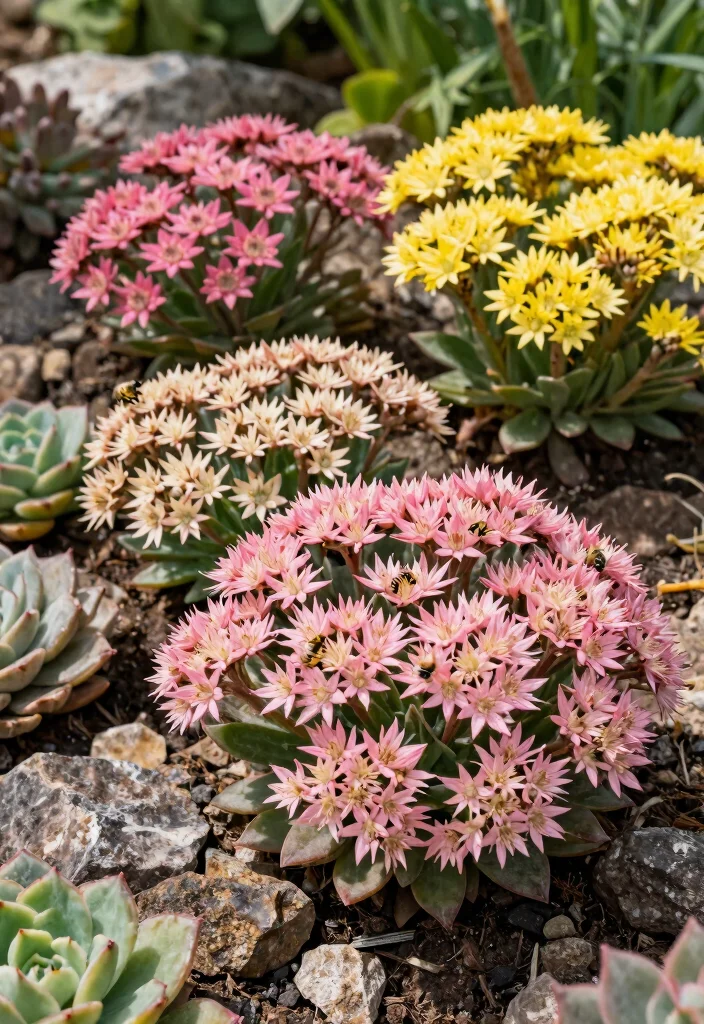
Sedum is a great choice for gardeners who want hardy, low-maintenance plants. These succulent flowers thrive in hot, dry conditions and come in various forms, from ground covers to taller varieties. Sedum blooms from late summer to fall, showcasing lovely star-shaped flowers in shades of pink or yellow.
Their thick, fleshy leaves store water, allowing them to withstand even the driest conditions. Sedum is perfect for rock gardens, borders, or container arrangements. With minimal watering needs and a resilient nature, they make an excellent addition to any drought-tolerant landscape.
Consider these tips for growing sedum:
– Plant various types together for texture
– Use as ground cover or in pots
– Attract beneficial insects like bees
With sedum, your garden will thrive beautifully while requiring little care!
14. Phlox
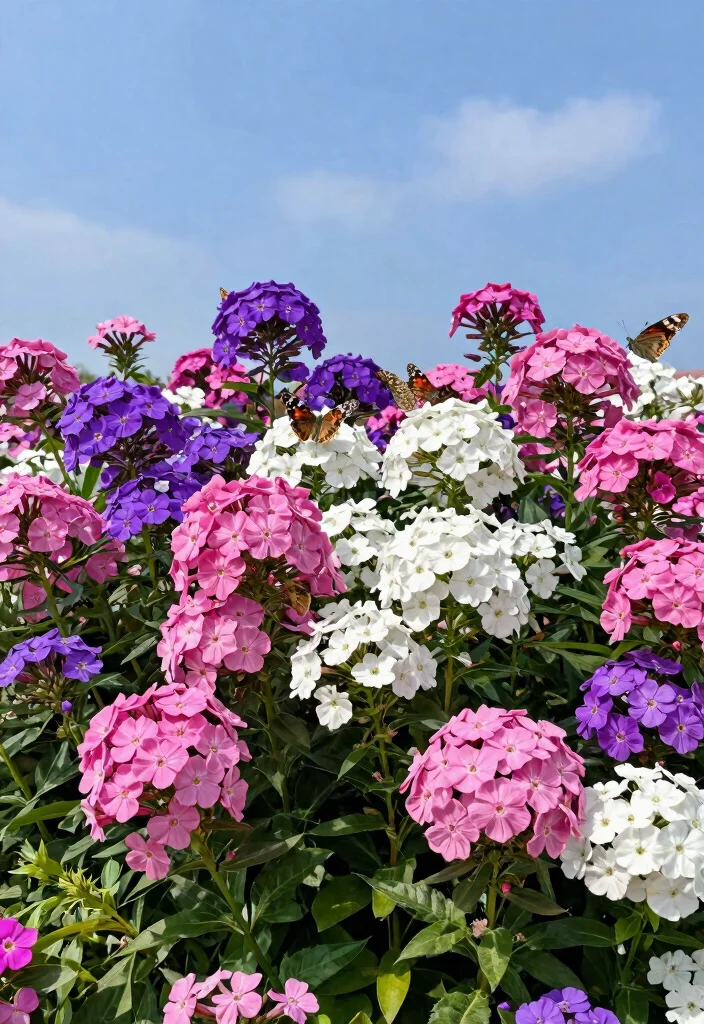
Phlox adds vibrant color to any garden, blooming in shades of pink, purple, and white throughout the summer. These perennials thrive in full sun and can handle drought conditions, making them an excellent choice for hot climates. Their fragrant flowers attract butterflies and bees, enhancing the lively atmosphere of your front yard.
Plant phlox in clusters for maximum impact, and enjoy their long-lasting display. Pair them with taller plants for a layered look in your garden. Regularly deadheading spent blooms encourages continuous flowering, allowing you to savor their beauty throughout the season.
Here are some tips for growing phlox:
– Group plants for a bold display
– Deadhead regularly for more blooms
– Use as cut flowers for indoor arrangements
With phlox, your garden will be a stunning blend of color and fragrance all summer long.
Conclusion
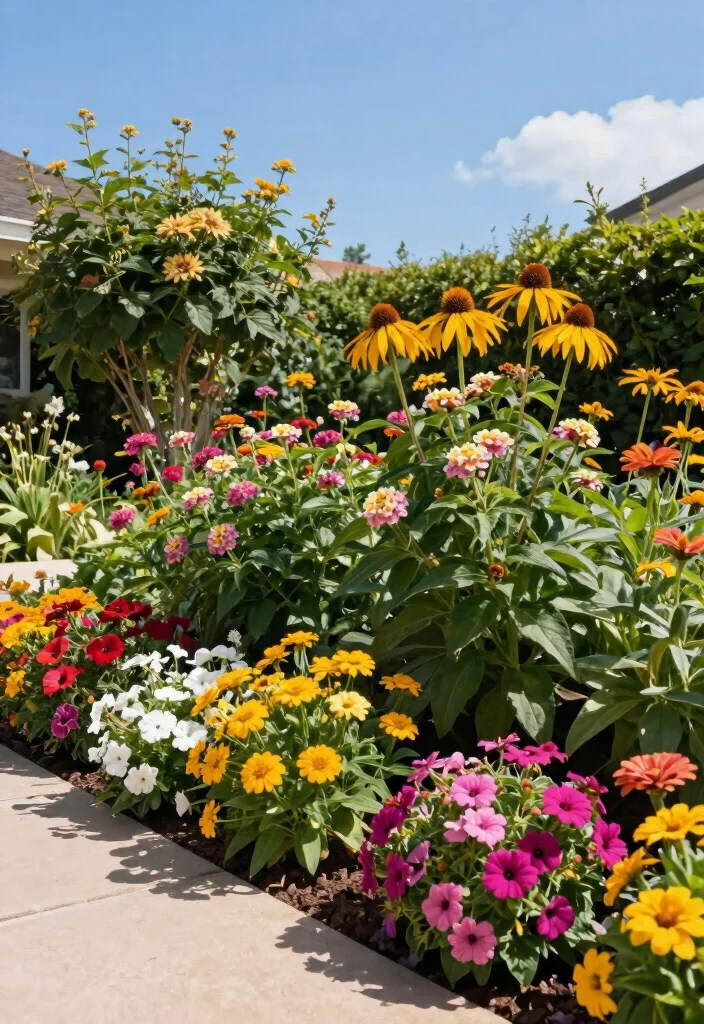
Creating a beautiful front yard filled with heat-tolerant and drought-resistant flowers is not only possible but easier than you think.
From Lantana to Phlox, these 14 flowers will keep your garden colorful and vibrant all season long, even in the hottest conditions.
With minimal maintenance and maximum beauty, these blooms are perfect for adding curb appeal and making your outdoor space inviting. Why not start mapping out your garden today?
Frequently Asked Questions
Which front yard flowers are best at surviving heat and staying full all season?
For front yard flowers that endure heat and stay lush, choose drought-resistant flowers and heat-tolerant plants with strong root systems. Great options include Rudbeckia (Black-eyed Susans), Echinacea (Coneflower), Gaillardia (Blanket Flower), Sedum, Salvia, Coreopsis, and Lantana.
Tips: pair sun-loving perennials with a few annuals, group plants by similar water needs, amend soil with compost, mulch 2–3 inches, and water deeply in the cool of the morning. Drag in a drip line or soaker hose for efficient irrigation and less evaporation. This approach keeps your front yard flowers looking vibrant all season while keeping maintenance low.
Design note: aim for color contrasts (warm reds/oranges with cool purples/blues) to enhance colorful landscaping without extra effort.
How can I choose drought-resistant front yard flowers for hot climates?
Start with a plan that matches your site: sun exposure, soil type, and water access. Look for drought-resistant flowers known to thrive in hot climates and consider native varieties first. Pair deep-rooted performers like Echinacea, Sedum, and Yucca with lighter bloomers such as Calendula or Coreopsis for continuous color.
Steps: assess your soil, amend with organic matter, apply a thick layer of mulch, and install a simple irrigation method (drip or soaker hoses). Water deeply but infrequently, allowing soil to dry between watering. This keeps summer garden ideas practical and your front yard flowers resilient in heat.
What heat-tolerant plants offer vibrant color for front-yard landscaping?
Heat-tolerant plants can be both hardy and vibrant. Consider varieties like Gaillardia (Blanket Flower) for bold reds and golds, Coreopsis for sunny yellows, Echinacea for pink to purple allure, and Salvia for dramatic blue/purple spikes. Mix in drought-friendly fillers like Sedum and ornamental grasses to add texture.
Practical tips: plant in blocks of the same species to reduce maintenance, deadhead spent blooms to encourage more flowering, and keep mulch well-applied to maintain soil moisture. With these choices, your front yard flowers deliver long-lasting color with minimal upkeep, matching your colorful landscaping goals.
What are practical tips to keep front yard flowers low-maintenance during summer heat?
Low-maintenance blooms come from smart selection and smart care. Choose a mix of perennials and a few hardy annuals that bloom repeatedly with minimal fuss.
Action steps: plant in sunny spots with well-draining soil, apply 2–3 inches of mulch, use a drip irrigation system, and water early in the morning. Deadhead regularly to extend blooming periods, and opt for plants with similar water needs to simplify care. This approach supports low-maintenance blooms and keeps your front yard flowers looking fresh through the hottest days.
How can I design a colorful, summer-ready front yard using drought-resistant flowers for summer garden ideas?
Start with a plan that layers height and color for visual interest with minimal upkeep. Pick a cohesive color palette (e.g., warm tones with cool accents) and use 2–3 focal plants like a bold Gaillardia or Echinacea, complemented by smaller drought-resistant flowers and grasses. Group plants by sun exposure, place taller varieties at the back, and use evergreen textures to carry you through changes in season.
Finish with practical steps: soil improvement, mulch, and efficient watering. The result is colorful landscaping that stays vibrant all through summer garden ideas season, while remaining low-maintenance and drought-friendly for hot climates.
Related Topics
front yard flowers
drought-resistant flowers
heat-tolerant plants
colorful landscaping
summer garden
low-maintenance blooms
easy gardening
xeriscaping
seasonal blooms
beginner friendly
landscape design
garden care tips