
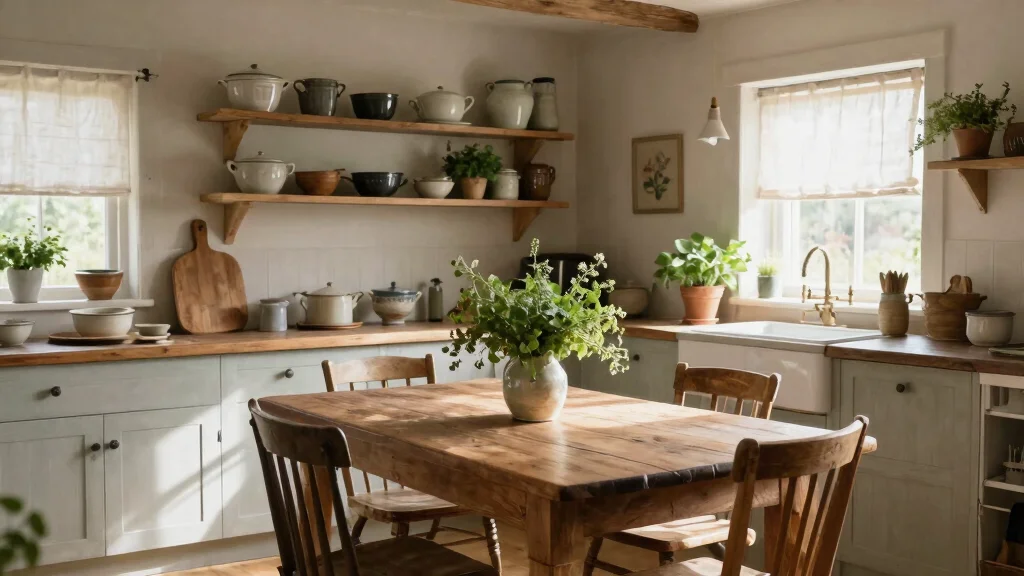
In the comfort of your home, the charm of country farmhouse decor can evoke warmth and serenity, especially when paired with a touch of greenery. As seasons change, I’ve found myself yearning for that cozy feeling that only a rustic touch can provide. There’s something about the simplicity of a well-arranged herb garden or the nostalgia of vintage farmhouse accents that just feels right. That’s why I created this post—to help you bring that inviting, down-to-earth vibe into your living space.
If you’re someone who appreciates the beauty of country living style, loves gardening, or simply seeks to make your home feel more inviting, then this guide is tailored for you. With a focus on rustic indoor herb gardening, you’ll discover decor ideas that not only look beautiful but also keep your space feeling open and uncluttered. These ideas are perfect for anyone who wants to create a cozy atmosphere without drowning in decor.
Get ready to explore 15 country farmhouse decor ideas that are practical, stylish, and designed to breathe life into your spaces. From herb wall gardens to vintage mason jar planters, you’ll find inspiration that fits your minimalist farmhouse design. Each idea will help you incorporate greenery seamlessly into your home, making it feel warm and inviting, all while avoiding clutter. Let’s dive into these charming suggestions that will transform your home into a rustic retreat.
Key Takeaways
– Embrace simplicity: Choose decor that enhances your space without overwhelming it, focusing on functional and stylish items.
– Incorporate greenery: Indoor herb gardens not only purify the air but also add a lively touch to your decor, making your home feel more vibrant.
– Use vintage accents: Vintage farmhouse elements, like mason jars and repurposed crates, add character and nostalgia to your home.
– Create focal points: Highlight key areas in your home with decor pieces that draw attention, such as a herb centerpiece on your dining table.
– Personalize your space: Custom touches like herb labels or seasonal displays can reflect your personality and make your home uniquely yours.
1. Herb Wall Garden
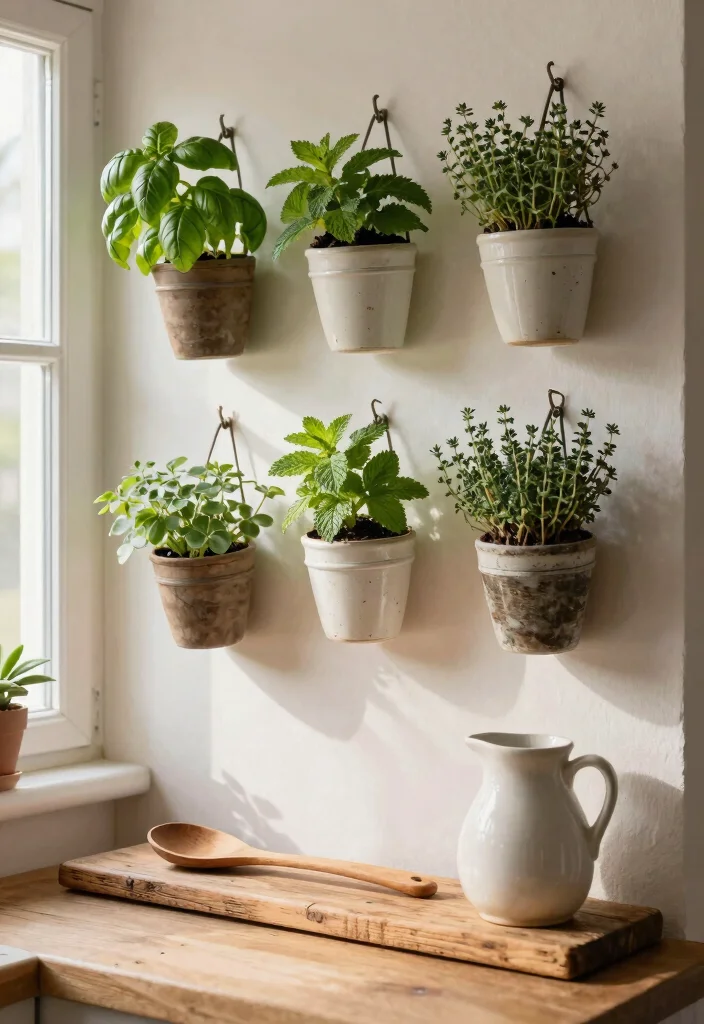
Ever thought about transforming an empty wall into a vibrant herb garden? With the right setup, you can fill your space with fresh aromas and colors. Hanging small pots of herbs like basil and rosemary not only beautifies your kitchen but also provides easy access for cooking, making meals more flavorful and nutritious.
Using reclaimed wood shelves or a wire grid allows you to showcase your favorite herbs while staying true to that rustic farmhouse charm. You can mix and match pots for a quirky look or stick to uniform ones for a cleaner design. The wood adds that cozy touch that makes your home feel inviting.
Ingredients:
– Small pots (various sizes)
– Reclaimed wood for shelves or a wire grid
– Fresh herb seedlings (basil, thyme, rosemary, etc.)
– Potting soil
– Optional: decorative twine or labels
Instructions:
1. Choose your wall space and hang the shelves or grid securely.
2. Fill each pot with potting soil and plant your herbs.
3. Water the herbs thoroughly and place them on the shelves.
4. Position them where they can get plenty of sunlight.
5. Regularly prune to encourage growth and rotate pots as needed for even light exposure.
FAQs:
– Can I use plastic pots instead of ceramic? Yes, as long as they have drainage holes.
– Can I make it indoors? Absolutely, just ensure they get enough light.

DISPLAY PLANTS IN YOUR WINDOW: By hanging planters on a metal rod, Triflora makes it easy to water and display plants in your window, without taking up space on the window will or counter
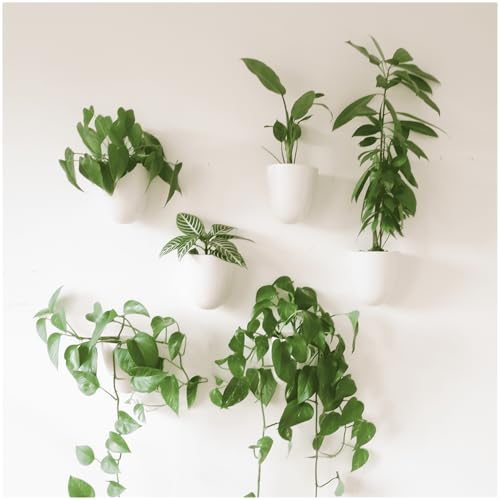
Self-watering system means you can often go weeks without watering plants

3 Tiered Hanging Herb Garden Set: the package includes 1 piece of 3 tiered hanging vertical planter shelf, suitable for decorating kitchens, living rooms, offices, balconies and other places, and 12 pieces of plants pots, ideal for growing herbs, cacti, and so on; Please note that we provide you with non marking nails and hooks for easy hanging
2. Vintage Mason Jar Planters
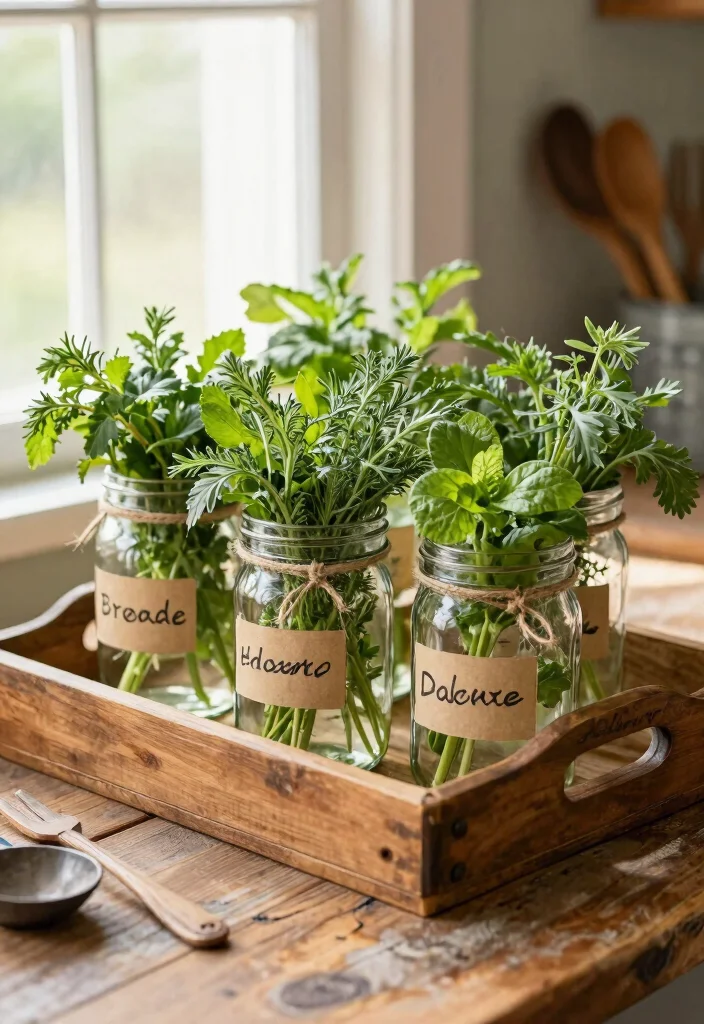
If you’re looking for a charming way to display herbs, vintage mason jars are a delightful option. Not only do they add character to your decor, but they also serve as unique planters for your indoor garden. Imagine fresh chives and parsley nestled in these classic containers, brightening up your kitchen.
Fill each jar with potting soil, and for a personal touch, decorate them with twine or burlap. Arrange them on a rustic wooden tray to create a stunning centerpiece that brings the outdoors in. This setup is not only functional but also enhances your cozy farmhouse vibe.
Ingredients:
– 4-6 mason jars
– Potting soil
– Fresh herb seedlings (chives, parsley, cilantro)
– Twine or burlap for decoration
– Optional: wooden tray
Instructions:
1. Fill each mason jar with potting soil, leaving some space at the top.
2. Plant your chosen herbs in the soil and water them gently.
3. Decorate the jars with twine or burlap for added charm.
4. Arrange the jars on a wooden tray for display.
5. Place them in a sunny spot and check moisture levels regularly.
FAQs:
– Can I use different jar sizes? Yes, varying sizes can create a nice visual effect.
– Can I plant flowers instead? Certainly! Just ensure they have similar care requirements.
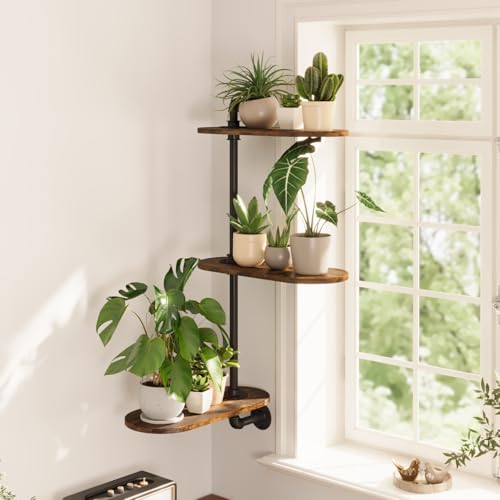
3-TIER ROTATING SHELVES — NO MORE HAULING POTS: Give the unit a light push and all three shelves swing 180° together on the wall bracket. Rotate 90° once a week so every plant grows straight instead of leaning toward the glass. Swing the shelves aside to open the sash, wash the window, or reach the sill — without taking down a single pot.

【>15 DISPLAY METHODS】3 Independent window plant shelves can be used in multiple wasy like seperately,two or three combination,place from up to down ,left to right,front to back.15.7-42.9 " Extendable length shelf fits for various style of desktop ,such as straight,L-shaped desktop, table corner or narrow desk. Net bottom height 2.7~8.2”,no shelter above, Meeting for 24 potted of narrow corner succulent stand and growth without height limit and 48 pcs of cupcake at various height display.

Boho Arched Plant Display Shelf: This 2-tier arched floating wall shelf is designed for plant lovers, perfect for displaying succulents, small potted plants, trailing greenery, candles and small decor items. Featuring trendy ripple arched profile and natural solid wood grain, it blends boho and mid-century modern style, great wall decor for bedroom, living room, bathroom, hallway.
How To Choose Rustic Indoor Herb Gardening Decor
When creating a cozy country farmhouse decor, selecting the right rustic indoor herb gardening elements can set the perfect tone. Here’s how to make your choices clear and effective.
1. Size Matters
Consider the space where you want to place your herb garden. If you have limited space, opt for vertical gardens or wall-mounted planters. For larger areas, a rustic wooden planter or herb ladder can serve as a stunning centerpiece. Measure your wall or table space to ensure your chosen decor fits well without looking cluttered.
2. Material Selection
Rustic home decor often features natural materials like wood, terracotta, or metal. Choose materials that reflect a vintage farmhouse aesthetic. Wooden planters bring warmth, while terracotta pots provide a classic look. Ensure the materials are durable and suitable for indoor gardening to keep your herbs thriving.
3. Design Features
Look for unique design features that add character without overwhelming your space. Hanging herb gardens or herb ladders can add height and charm. Vintage mason jars can serve as both planters and decorative accents. Focus on minimalist farmhouse design by selecting pieces that enhance the cozy feel of your home without cluttering it.
4. Maintenance Needs
Think about how much time you’re willing to spend caring for your herbs. Some plants require more attention than others. If you prefer low-maintenance options, choose herbs like basil or mint that are easy to grow. Look for planters with good drainage to help prevent overwatering, making your gardening journey smoother.
5. Budget Considerations
Determine how much you want to spend on your herb garden decor. Rustic and vintage farmhouse accents can vary widely in price. Make a budget that allows room for quality pieces that will last. Consider DIY options for creating your planters to save money while adding a personal touch to your decor.
Pro Tip: Mixing different heights and types of planters can create an interesting visual landscape. Use tall wooden ladders alongside short terracotta pots for a layered effect. This approach maintains a cozy feel while keeping your decor stylish and functional.
By thoughtfully selecting rustic indoor herb gardening decor, you can enhance your country farmhouse decor, creating a warm and inviting atmosphere. Each choice adds to the overall charm, making your home a delightful space filled with herbs and character.

Comprehensive 12 Piece Set: this hydroponic herb planting kit provides a comprehensive 12-piece set, includes 12 mason jars, 12 planting baskets, 12 pre-seeded growing plugs, and 12 water absorbent cores to meet all your planting needs

Comprehensive 6 Garden Growing sets: this hydroponic herb planting kit provides a comprehensive 6-piece set, includes 6 mason jars, 6 planting baskets, 6 pre-seeded growing plugs, and 6 water absorbent cores to meet all your planting needs

【Indoor Herb Garden】Experience the joy of gardening with our specialized indoor herb planter. This set includes a planter with a tray but does not come with plants and seeds. Designed specifically for herb cultivation, these planters can be used both indoors and outdoors. Crafted from durable metal with a sleek, glossy white finish, they blend functionality with a farmhouse style to enhance your living space.
3. Repurposed Wooden Crates
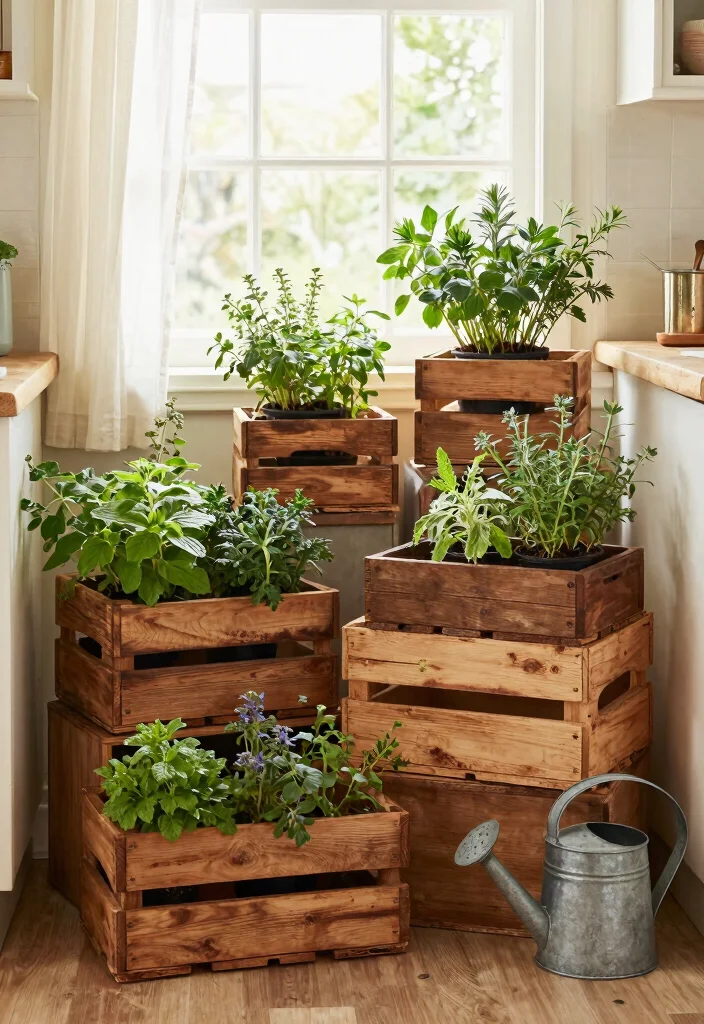
Feeling creative? Repurposed wooden crates can add rustic charm and functionality to your herb garden. Stack them or lay them flat to create an eye-catching display filled with vibrant greens. These crates not only provide ample space for your herbs but also serve as a stylish decor element.
Fill each crate with a variety of herbs, allowing their colors to shine through the slats. This setup keeps your herbs organized and easily accessible, whether in your kitchen or patio. You can leave the crates natural or stain them for a personalized touch.
Ingredients:
– 2-3 wooden crates
– Fresh herb seedlings (your choice)
– Potting soil
– Optional: wood stain or paint
Instructions:
1. Decide how to arrange your crates—stack them or lay them flat.
2. Fill each crate with potting soil and plant your herbs.
3. Water the herbs and place the crates in a sunny location.
4. Rotate the crates occasionally for even sunlight exposure.
5. Consider labeling each crate for easy identification.
FAQs:
– Can I paint the crates? Yes, painting can add a fun pop of color.
– Can I use plastic crates? Yes, just ensure they are sturdy and have drainage holes.

Durable Material Comes with 12 Hooks and 6 Screws: Self-watering wall planter made of high-quality durable resin material, safe and non-toxic. Lazy flower pot size (inner diameter*outer diameter*height): 5.7"x7.3"x6.1"; Comes with 6 * steel S hooks + 6 * non-destructive self-sticky hooks + 6 * screws + 15 feet self-watering wick for DIY self-watering system.
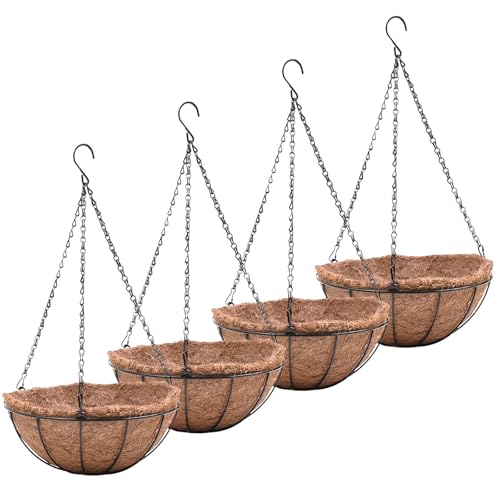
Set of 4:Hanging basket for plants is made of metal & cocoa fiber lining.Designed with your gardening needs in mind,best choice for decorating indoors or outdoors.
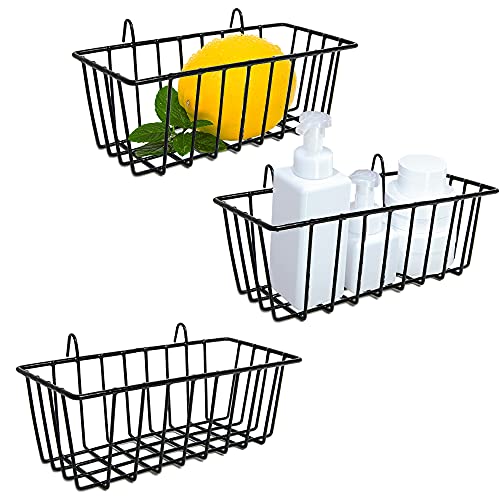
Package includes:3 pack hanging wire baskets,the size of the hanging basket is 9.05*4*3.2 inches,it can bring a lot of convenience to family life.
4. Woven Baskets for Storage
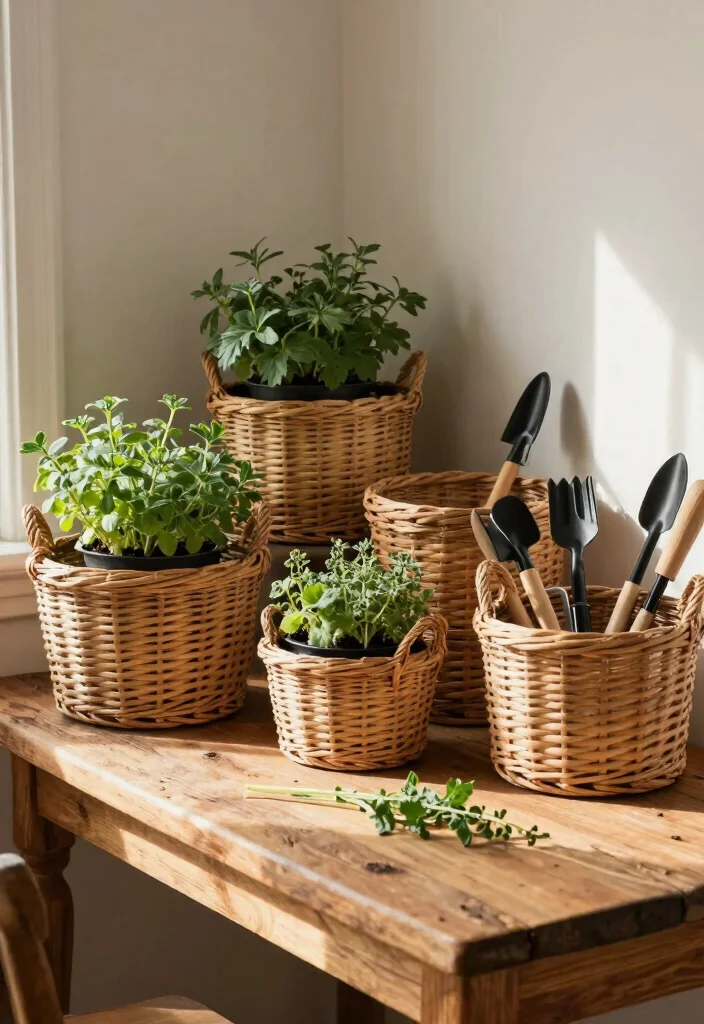
Woven baskets are a must-have for anyone looking to embrace rustic decor while keeping things organized. Use them to store your herb gardening tools or even as charming holders for small potted herbs. This keeps your kitchen clutter-free while adding texture and warmth to your space.
Place baskets in various sizes around your home, and consider hanging some on the wall for a decorative touch. Mixing different textures can create visual interest, enhancing the cozy, minimalist feel of your farmhouse style.
Ingredients:
– Woven baskets (various sizes)
– Small potted herbs (optional)
– Gardening tools and supplies
Instructions:
1. Select the baskets you want to use and arrange them in your space.
2. Fill some with gardening tools, soil, and pots.
3. Place small potted herbs inside others for a lovely display.
4. Hang baskets on the wall for added decor.
5. Regularly check and organize the contents to maintain a neat look.
FAQs:
– Can I mix different types of baskets? Yes, varying styles can add personality.
– Can I use plastic baskets? It’s best to stick to natural materials for a rustic feel.
Fun fact: woven baskets can reduce visual clutter by up to 40% while adding authentic country farmhouse decor. Group different sizes on a shelf or hang a few on the wall to store herb tools and small pots—practice mindful organization for a cozy, rustic kitchen.

VINTAGE FARMHOUSE DECOR: This vintage glass vase with a rustic metal frame brings warm farmhouse charm to any space. Paired with soft frosted greenery and LED lights, the built-in handle makes it easy to move, carry and restyle around the home

Quantity: Package includes 3 pcs artificial eucalyptus bush and 1 pc rustic oval galvanized metal planter. The artificial eucalyptus sprays and galvanized metal planter come separately. Simply place the greenery in the planter and make minor adjustments to create a farmhouse greenery centerpiece. Or you can remove the faux stems from the planter and use them separately. This faux greenery arrangement will add charm and elegance to any setting.
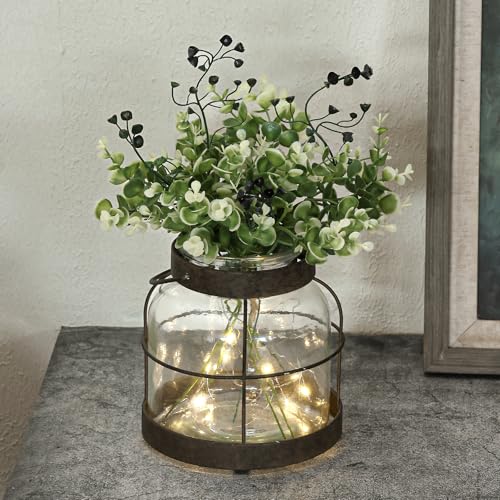
【Adorable Farmhouse Decor】This is a vintage style glass vase with 4 Pcs of greenery, also a beautiful accent jar lantern with removable florals, so this piece can be used throughout the year. Perfect for home decor and floral arrangements
5. Herb Ladder
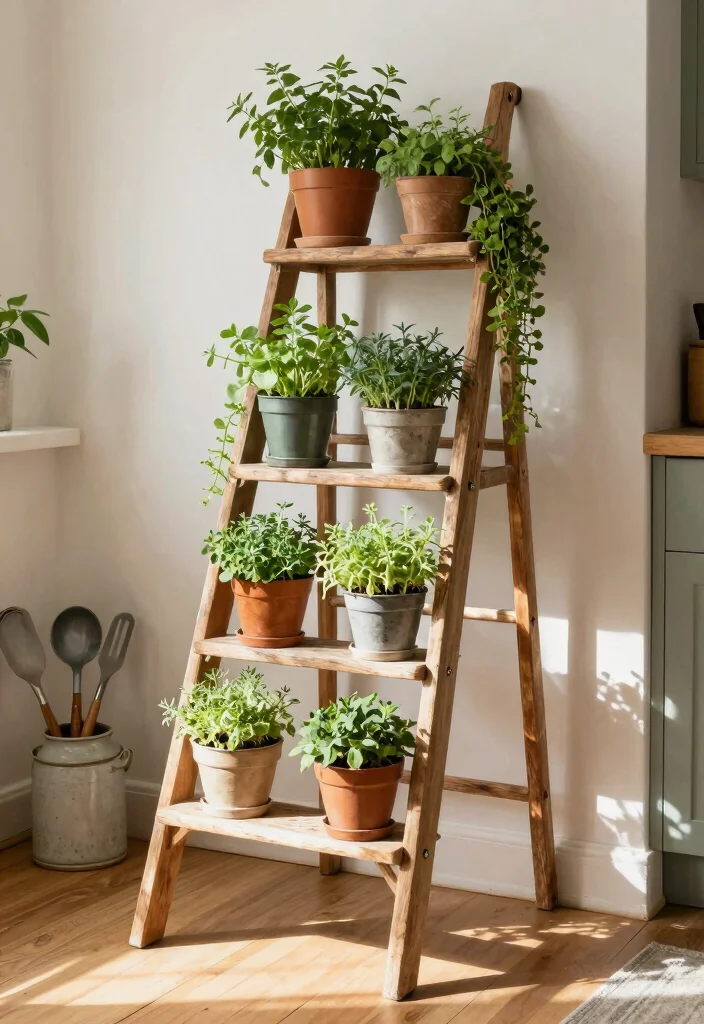
Looking for a creative way to display your herbs? An herb ladder is an eye-catching solution that saves space while showcasing your favorite plants. This vertical garden can be made from an old wooden ladder or a custom-built one, adding character to your kitchen or dining area.
Position small pots or planters on each step, making sure to choose herbs that trail or spill over for added visual interest. Place your ladder in a sunny spot to ensure your herbs thrive, turning it into a beautiful focal point of your home.
Ingredients:
– An old wooden ladder or materials to build one
– Small pots or planters
– Fresh herb seedlings (trailing varieties like rosemary or oregano)
Instructions:
1. Secure the ladder in an upright position against a wall.
2. Arrange your pots on the steps, mixing heights for interest.
3. Water the herbs and place the ladder in a well-lit area.
4. Regularly check for moisture and prune herbs as needed.
5. Enjoy your unique herb garden display!
FAQs:
– Can I paint the ladder? Yes, a fresh coat of paint can enhance its look.
– Can I use larger pots? Ensure they fit securely on the ladder without tipping.
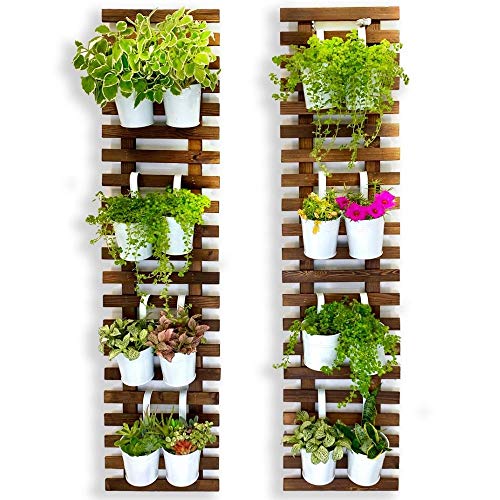
29x120cm (11.4" x 47.2") x 2 pcs. Plants, flowers, pots, decorations are NOT included

3 TIER HANGING PLANTER: 1 set of metal wall hanging planter with 3 rectangular planters, ready to hang, no special assembly needed. Check and pick the right size for your plant to prevent unpleasant experience and potential wastage on resources, plants not included

【Automatic Watering System】: This vertical garden planter has an automatic watering pot that will automatically water the plants every few days, saving you the hassle of daily watering and saving time. Also a thoughtful gift for busy people or working moms.
6. Rustic Wooden Planters
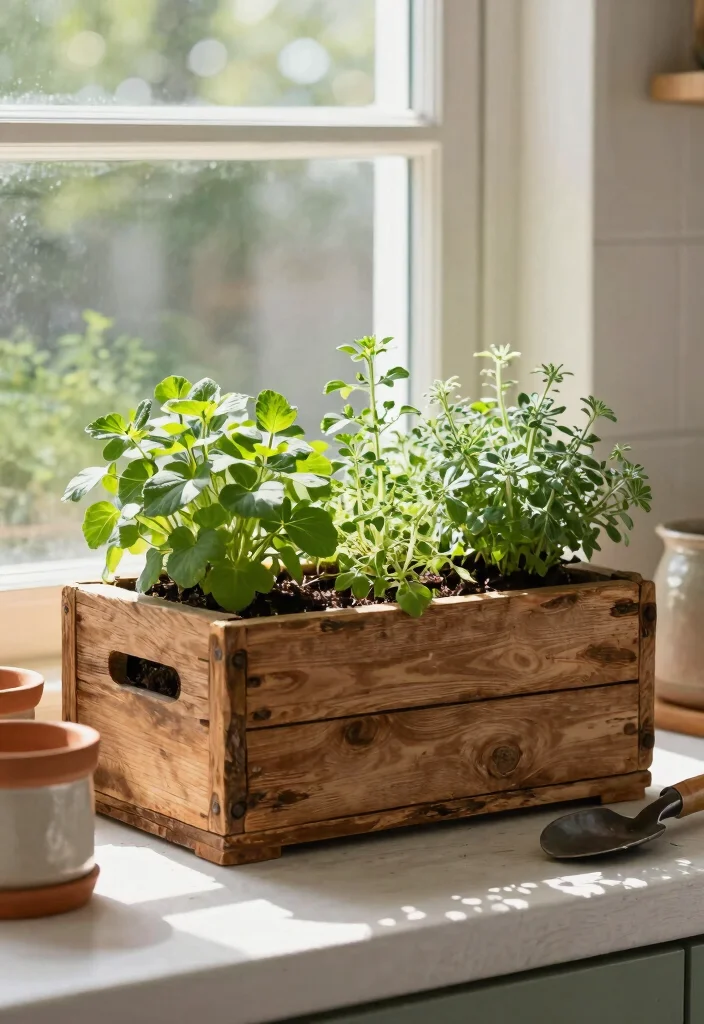
Rustic wooden planters are a perfect addition to your farmhouse decor, providing an earthy feel that complements your herbs beautifully. You can make your own from reclaimed wood or find some charming options at local markets. These planters can be simple boxes or more ornate designs, tailored to your style.
Fill them with a variety of herbs, placing them in sunny spots around your home. The wood adds warmth, while the herbs provide a fresh touch that livens up any space. Mix different shapes and colors of herbs for a visually appealing display.
Ingredients:
– Wooden planter boxes (homemade or store-bought)
– Fresh herb seedlings (various herbs)
– Potting soil
Instructions:
1. Choose your planters and fill them with potting soil.
2. Plant your herbs, ensuring they have enough space.
3. Water thoroughly and place in a sunny location.
4. Regularly trim and care for your herbs to keep them healthy.
5. Enjoy their beauty and fragrance throughout your home.
FAQs:
– Can I use treated wood? It’s best to use untreated wood for safety.
– Can I plant flowers in these too? Yes, just ensure they have similar care requirements.

【JUST THE TICKET FOR BATHROOMS】Need a storage solution for shower gels, tissue paper, and shampoo bottles? Try this 3-tier bamboo rack! It will help organize your toiletries nicely while lending a fresh appeal to your bathroom

【UPGRADE OPTIMIZATION】 New add 30mm THICK BACK SUPPORT,not only prevent flowers from dropping,also expanded storage space for hanging planter display. ROUND HEAD on top of ladder plant pot stand is smooth and lovely. The surface and edge are smooth undergone 3 times polishing. HOLLOW SHELVES is ventilated and drainage. 6.2lbs is light weight and easy to move at will.

Handmade by a small Canadian business: Every one of our wooden plant shelves is completely unique—hand cut, sanded, assembled and stained by us. Every floating wall shelf is high quality.
7. Terracotta Pots with Minimalist Designs
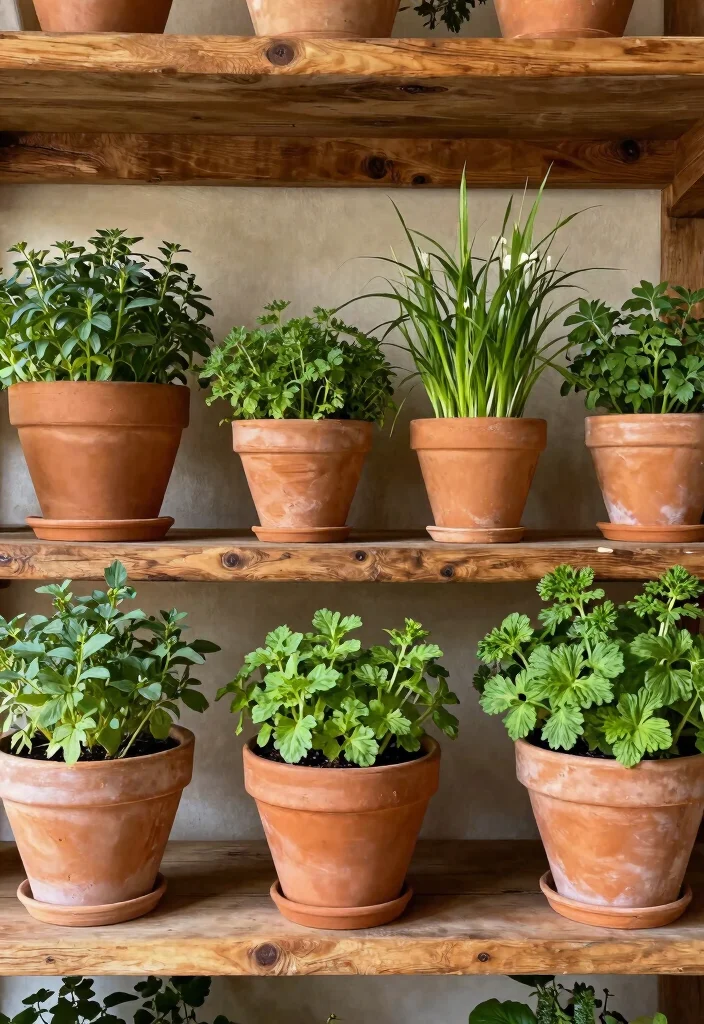
Terracotta pots are a classic choice for herb gardening, seamlessly fitting into any farmhouse decor. Their warm, earthy tones beautifully complement the greens of your herbs, creating a cozy ambiance. You can opt for minimalist designs to keep things clean and uncluttered while showcasing the natural beauty of your plants.
Leave the pots as-is for a rustic feel, or paint them in soft colors that match your decor. By grouping several pots together, you’ll create a cohesive display that highlights your herbs while enhancing your space.
Ingredients:
– Terracotta pots (various sizes)
– Fresh herb seedlings (your choice)
– Potting soil
– Optional: decorative stones or gravel
Instructions:
1. Fill each terracotta pot with potting soil.
2. Plant your herbs and water them well.
3. Arrange the pots together on a shelf or windowsill.
4. Add decorative stones in the bottom for drainage and texture.
5. Ensure they receive enough sunlight and care regularly.
FAQs:
– Can I use these pots outdoors? Yes, they’re great for both indoor and outdoor use.
– Can I paint them? Yes, painting can give a unique look while enhancing decor.
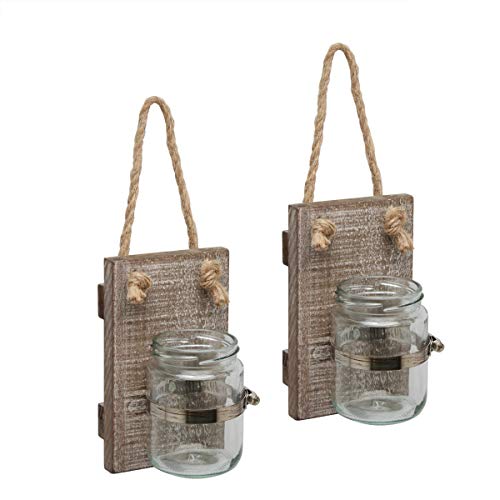
Stonebriar's decorative wooden scone set features a worn white painted wood finish for a rustic feel and 2 multifunctional clear glass mason jars

🌿 Grow Fresh Lemon Cilantro Indoors: Lemon cilantro is a fragrant herb with a bright citrus aroma and fresh cilantro flavor. Perfect for garnishes, tacos, salsa, and fresh kitchen herbs.

Stonebriar's decorative wooden decor piece features a worn natural wood finish for a rustic feel and 3 multifunctional clear glass jars
8. Herb Centerpiece for the Dining Table
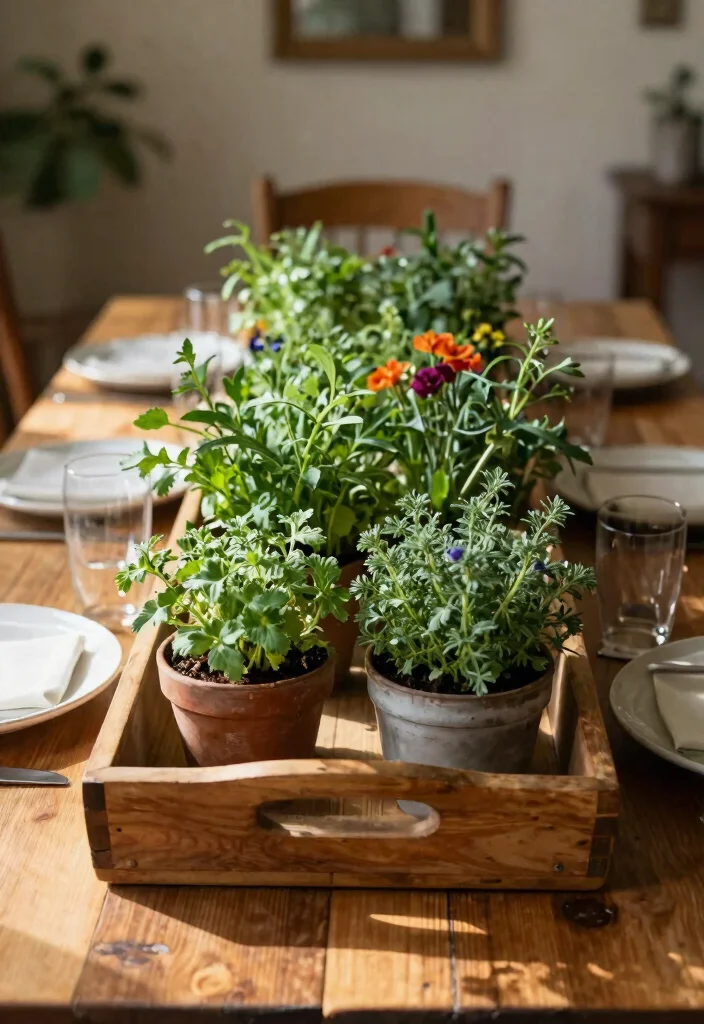
Why not brighten up your dining table with a herb centerpiece? This beautiful arrangement not only enhances your decor but also fills the air with delightful aromas during meals. Use a long, shallow tray to hold a mix of potted herbs like mint, basil, and parsley for an inviting touch.
Opt for a rustic wooden or metal tray to complement the farmhouse aesthetic. Vary the heights of the pots for visual interest, allowing guests to appreciate the greenery from all angles. This setup is both functional and decorative, encouraging the use of fresh herbs in your cooking.
Ingredients:
– A long, shallow tray (wooden or metal)
– Small potted herbs (mint, basil, parsley)
– Optional: small flowers for color
Instructions:
1. Arrange the pots in the tray, varying their heights.
2. Keep the herbs accessible for cooking during meals.
3. Water regularly and trim as necessary.
4. Place the centerpiece on your dining table for a fresh look.
5. Enjoy the inviting atmosphere it creates during gatherings.
FAQs:
– Can I use larger pots? It’s best to stick with small pots for a more cohesive look.
– Can I mix in flowers? Yes, flowers can add a lovely touch of color.
Fun fact: A 12-inch shallow tray can hold 6 herb pots—mint, basil, and parsley—creating a fragrant centerpiece. Vary pot heights for depth, and your dining table becomes a living country farmhouse decor vignette.

These special metal bucket pot with an attached hook,can be hung on the railing, balcony, window, anti-theft net, trellis,fence,indoor or outdoor anywhere,also can be used as desktop.

HANGING PLANTER DESIGN: Black metal wire construction forms a round bowl-shaped basket with attached hanging chains for easy suspension from hooks, brackets, or ceiling mounts

Includes 5- 10" Baskets with Wire Hangers
9. Hanging Herb Garden
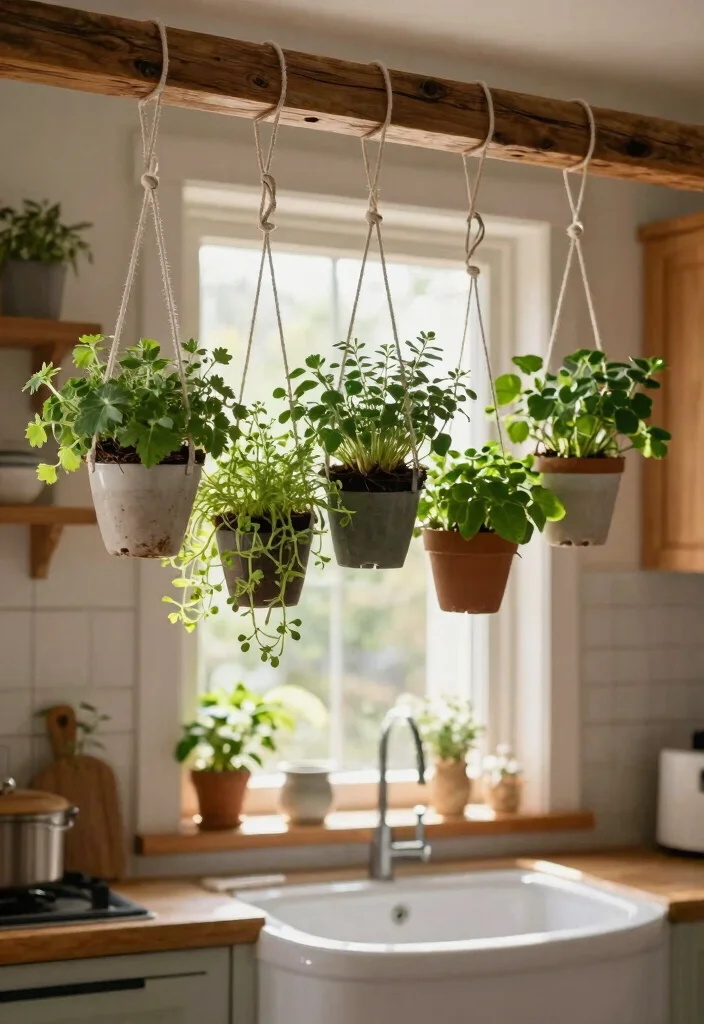
Looking to save space while adding greenery to your home? A hanging herb garden is a stylish solution! By suspending pots from the ceiling or using a wall-mounted frame, you can create a captivating display that draws the eye upward.
Choose lightweight planters filled with vibrant herbs to maximize visual impact. This method allows for easy access for watering and harvesting while making your space feel larger and airier. You can even mix in hanging flowers for a burst of color alongside your herbs.
Ingredients:
– Lightweight pots or planters
– Strong string or chains for hanging
– Fresh herb seedlings (various herb choices)
Instructions:
1. Select a location for your hanging garden and securely attach hooks.
2. Fill pots with potting soil and plant herbs.
3. Hang the pots at varying lengths for a dynamic look.
4. Water regularly and ensure they receive enough sunlight.
5. Enjoy the fresh herbs right at your fingertips!
FAQs:
– Can I use plastic pots? Yes, as long as they’re lightweight.
– Can I hang flowers too? Absolutely! Mixing herbs with flowers adds beauty.

【Adorable Farmhouse Decor】This is a vintage style glass vase with 4 Pcs greenery and 1 Pcs lavender, also a beautiful accent jar lantern with removable florals, so this piece can be used throughout the year. Lights with timer included

No Need to Assemble: Fake plants in eucalyptus vines come already set in the galvanized metal pot for easy display. A great way to add a modern decorative touch and some natural greenery to your living space

Beautiful Rustic Centerpieces – These quart-size (32 oz, ~7" tall) mason jars make stunning vases for fresh or faux flowers, perfect for creating elegant centerpieces at weddings, bridal showers, baby showers, baptisms, birthdays, and special events.
10. Colorful Vintage Enamelware
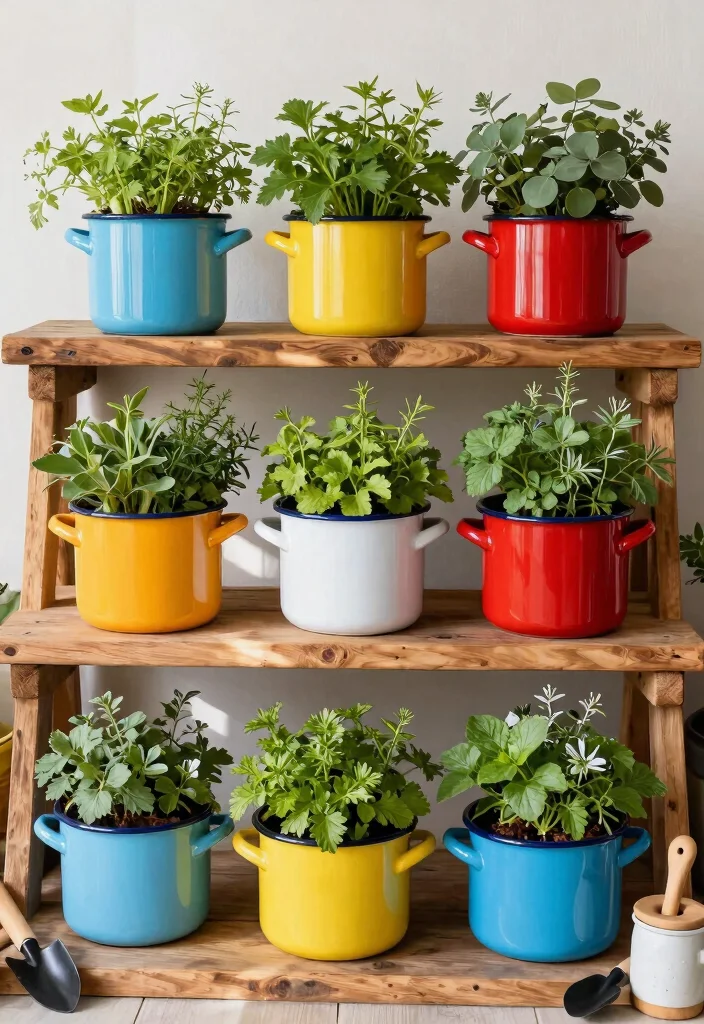
Incorporating colorful vintage enamelware into your herb garden decor adds a playful twist to your country farmhouse style. These pots come in various cheerful hues, perfect for showcasing your herbs while providing a nostalgic charm to your space. You can use them as quirky planters or decorative storage for gardening tools.
Place these colorful pots on shelves, countertops, or even hang them for a whimsical touch. Their durable material makes them suitable for both indoor and outdoor displays, enhancing the rustic vibe of your home.
Ingredients:
– Vintage enamel pots (various sizes and colors)
– Fresh herb seedlings (choose your favorites)
– Potting soil
Instructions:
1. Fill each enamel pot with potting soil.
2. Plant your herbs and water them thoroughly.
3. Arrange the pots in a bright spot for sunlight.
4. Consider mixing in decorative stones for a unique look.
5. Enjoy the vibrant display throughout your home!
FAQs:
– Can I use these pots outdoors? Yes, they’re perfect for outdoor spaces too.
– Can I mix herbs with flowers? Absolutely! It adds a beautiful touch.
11. Decorative Ladder Shelf
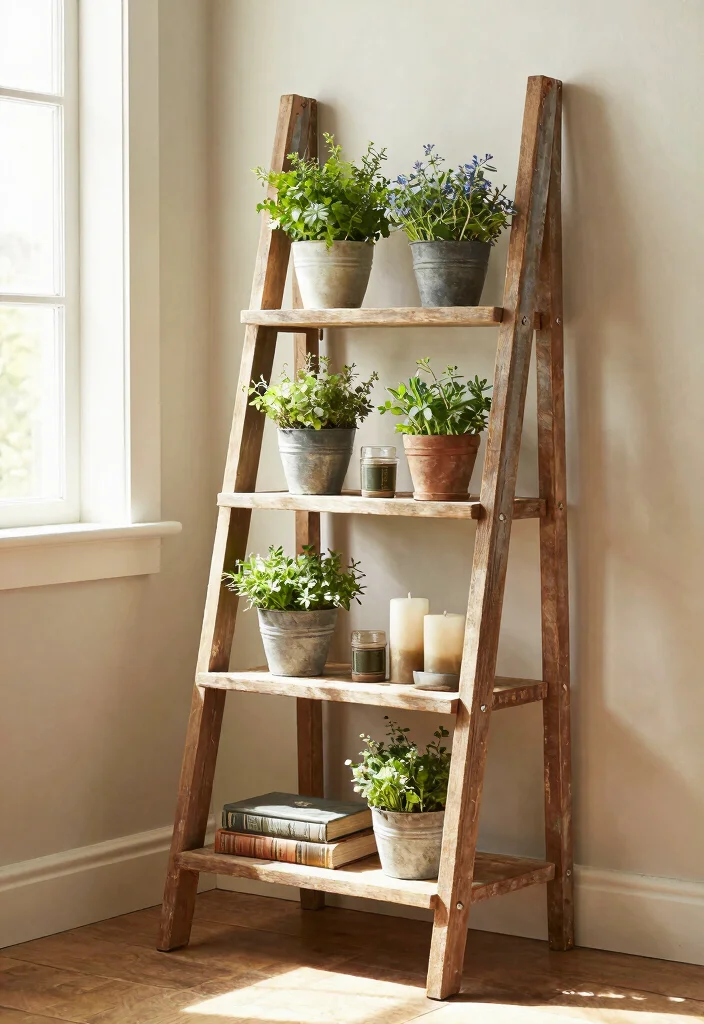
A decorative ladder shelf is a fantastic way to display your herbs while enhancing the rustic charm of your home. These shelves can be made from reclaimed wood or even old ladders, providing a unique touch to your decor. You can arrange potted herbs on the steps, interspersed with books or candles for added interest.
Position the ladder shelf in a well-lit area to allow your herbs to thrive while creating a cozy nook. This display invites friends and family to appreciate your culinary garden, while also serving as a functional piece of decor.
Ingredients:
– A wooden ladder or materials to build one
– Potted herbs (various types)
– Optional: books, candles, or decorative items
Instructions:
1. Securely position the ladder shelf against a wall.
2. Arrange your potted herbs on the steps, adding decorative items as desired.
3. Ensure the herbs receive plenty of sunlight.
4. Water and maintain your herbs regularly for health.
5. Enjoy the beautiful display that reflects your love for gardening!
FAQs:
– Can I paint the ladder? Yes, a fresh coat can enhance its look.
– Can I use larger pots? Ensure they fit securely on the ladder without tipping.
12. Herb-Infused Candles
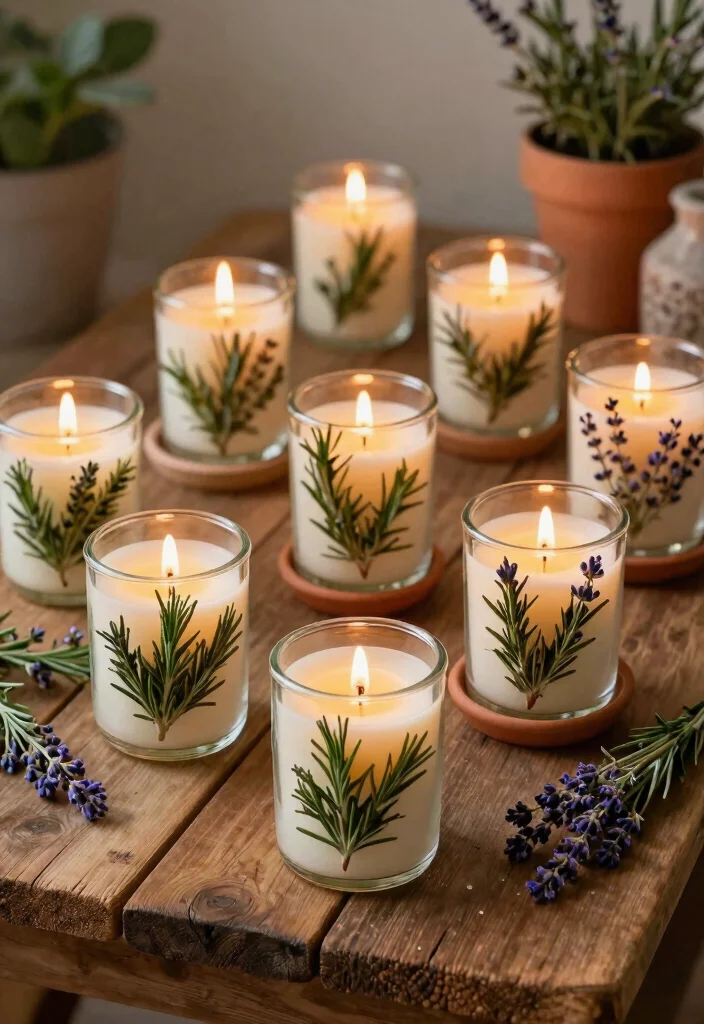
Want to create a cozy atmosphere in your home? Infusing candles with your favorite herbs is a delightful way to do just that. Using natural wax and organic herbs, you can make candles that not only smell wonderful but also add rustic charm to your decor.
Choose simple glass jars or terracotta pots as containers for your candles. Fill them with wax and add herbs like rosemary or lavender for a fragrant touch. Lighting these candles during meals or gatherings instantly enhances the inviting ambiance of your space.
Ingredients:
– Natural wax (soy or beeswax)
– Glass jars or terracotta pots
– Fresh herbs (rosemary, lavender, etc.)
– Optional: essential oils for added fragrance
Instructions:
1. Melt the wax according to package instructions.
2. Add herbs and optional essential oils to the melted wax.
3. Pour the mixture into your chosen containers and let it cool.
4. Light the candles during gatherings for a warm ambiance.
5. Once burned down, refill with new wax and herbs.
FAQs:
– Can I use scented wax? Yes, but keep in mind the herbs will add their own aroma.
– Can I make them as gifts? Absolutely! They make wonderful, personal gifts.
Herb-infused candles are the easiest way to boost country farmhouse decor. Use natural wax and organic herbs like rosemary or lavender in simple glass jars or terracotta pots; light them during meals for a warm, inviting scent that doubles as charming decor.
13. Herb Labels for a Personalized Touch
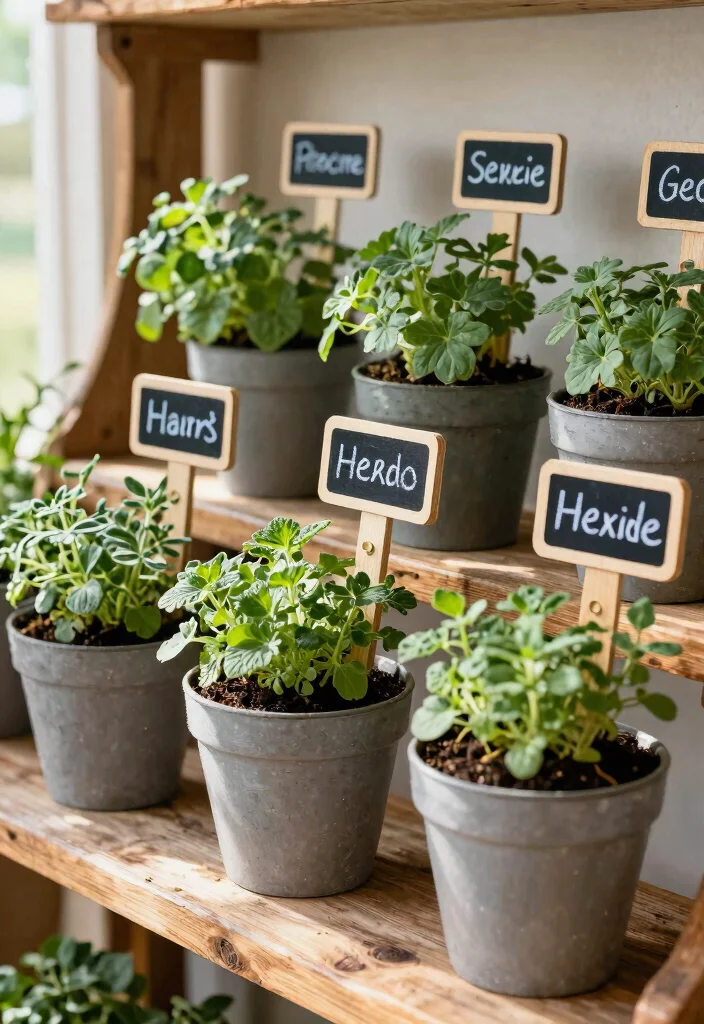
Enhancing your herb garden with personalized labels is a charming touch that adds character to your decor. You can easily create rustic labels using wooden sticks, chalkboard paint, or stones, making it easier to identify your plants while adding visual interest.
Mixing different label styles can create an eclectic feel. For example, painting wooden sticks with chalkboard paint and writing herb names in white chalk adds a fun, interactive element to your gardening experience. These labels encourage guests to engage with your plants while maintaining the clean, minimalist look of your farmhouse.
Ingredients:
– Wooden sticks or stones
– Chalkboard paint (optional)
– Chalk or paint for labeling
– Optional: twine for embellishment
Instructions:
1. Cut wooden sticks to your desired length or select stones.
2. Paint sticks with chalkboard paint if using.
3. Write the names of your herbs on the labels.
4. Insert the labels into the soil of each pot for visibility.
5. Enjoy the added charm and organization in your herb garden!
FAQs:
– Can I use printed labels? Yes, printed labels can also look great!
– Will the labels withstand outdoor conditions? Consider using weather-resistant materials for outdoor use.
14. Herb-Infused Oils and Vinegars
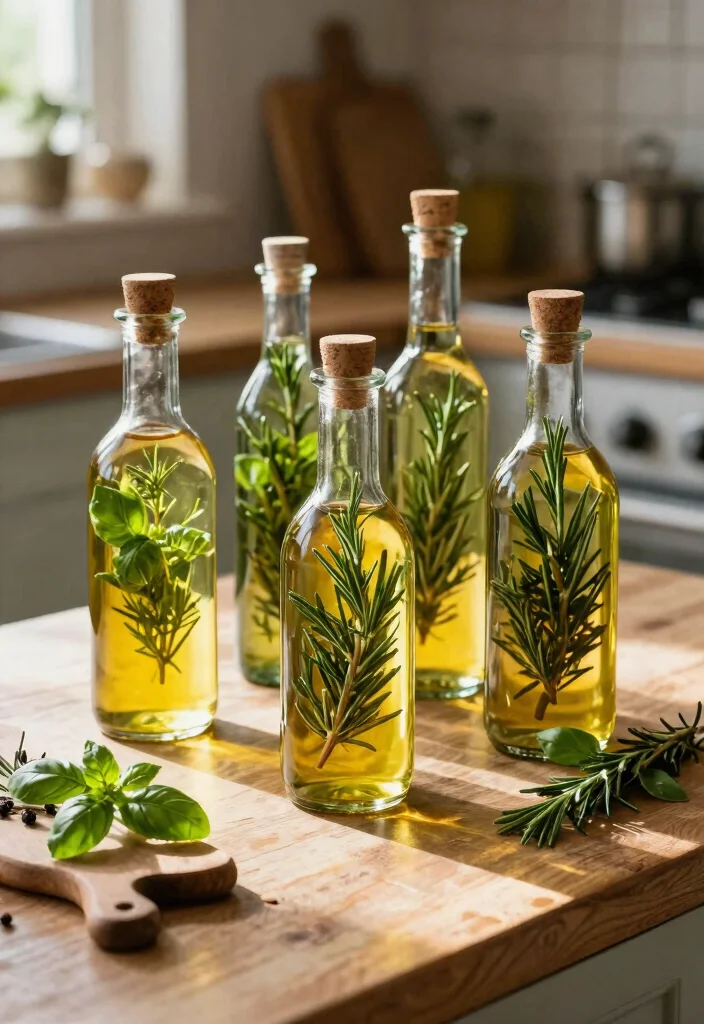
If you love cooking, creating herb-infused oils and vinegars is a delightful way to enhance your meals while showcasing your herbs. Using fresh herbs from your indoor garden not only adds flavor but also creates beautiful decorative bottles that highlight your culinary creativity.
Fill vintage glass bottles with olive oil or vinegar, adding sprigs of herbs like basil or rosemary for flavor and aesthetic appeal. These infused oils can be used in dressings, marinades, or as flavorful dipping sauces, making your kitchen aromatic and inviting.
Ingredients:
– Olive oil or vinegar (your choice)
– Fresh herbs (basil, garlic, rosemary)
– Decorative glass bottles
Instructions:
1. Clean and dry your glass bottles thoroughly.
2. Fill each bottle with olive oil or vinegar, leaving some space at the top.
3. Add fresh herbs to the bottles and seal them tightly.
4. Let them infuse for a week in a cool, dark place.
5. Label each bottle for easy identification and enjoy the flavors!
FAQs:
– Can I use dried herbs? Fresh herbs yield better flavors.
– How long can I store them? Infused oils should be used within a month for best flavor.
15. Seasonal Herb Displays
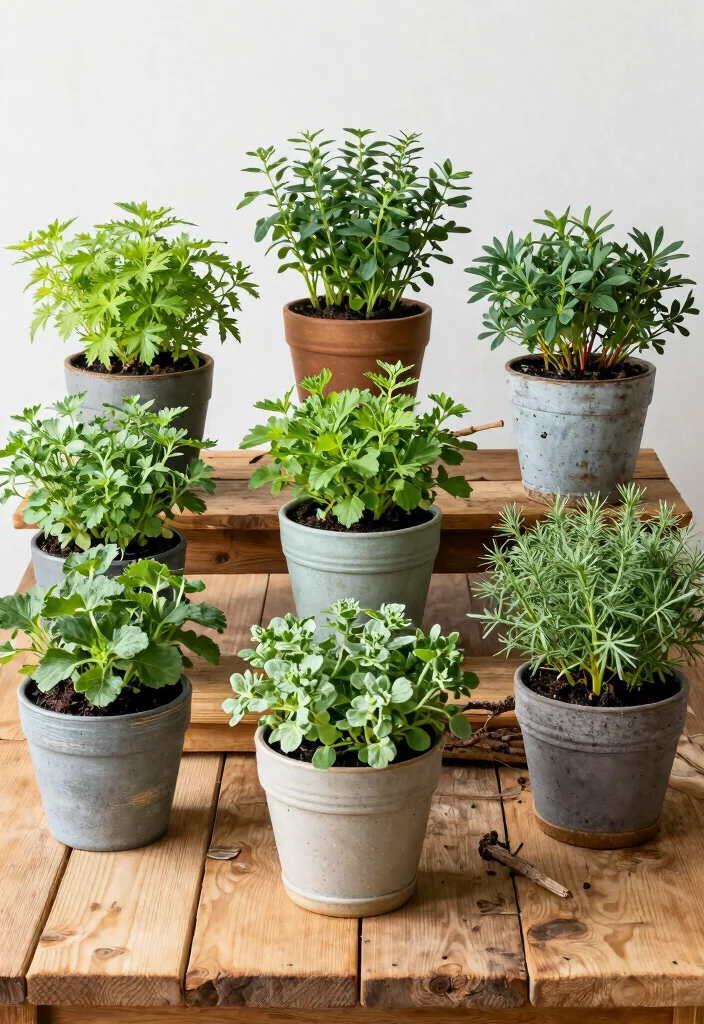
Want to bring a fresh feel to your home? Seasonal herb displays let you reflect the changing nature around you. By rotating your herbs according to the season, you introduce new colors and scents into your home, keeping your decor dynamic and inviting.
In spring, opt for lighter herbs like cilantro, while opting for heartier varieties like sage in the fall. Use decorative pots that match the season’s colors—think pastels for spring or earthy tones for autumn. Grouping them together creates a stunning focal point on tables or windowsills.
Ingredients:
– Seasonal herb seedlings (various options)
– Decorative pots (seasonally appropriate)
– Potting soil
Instructions:
1. Choose herbs that are in season and fill pots with soil.
2. Plant the herbs and place them in your chosen pots.
3. Arrange them together for a cohesive display.
4. Rotate herbs regularly to keep the display fresh.
5. Ensure they get the right amount of sunlight for thriving growth.
FAQs:
– Can I use the same pots year-round? Yes, just change the herbs inside!
– How often should I rotate them? Every season works great for visual freshness.
Conclusion
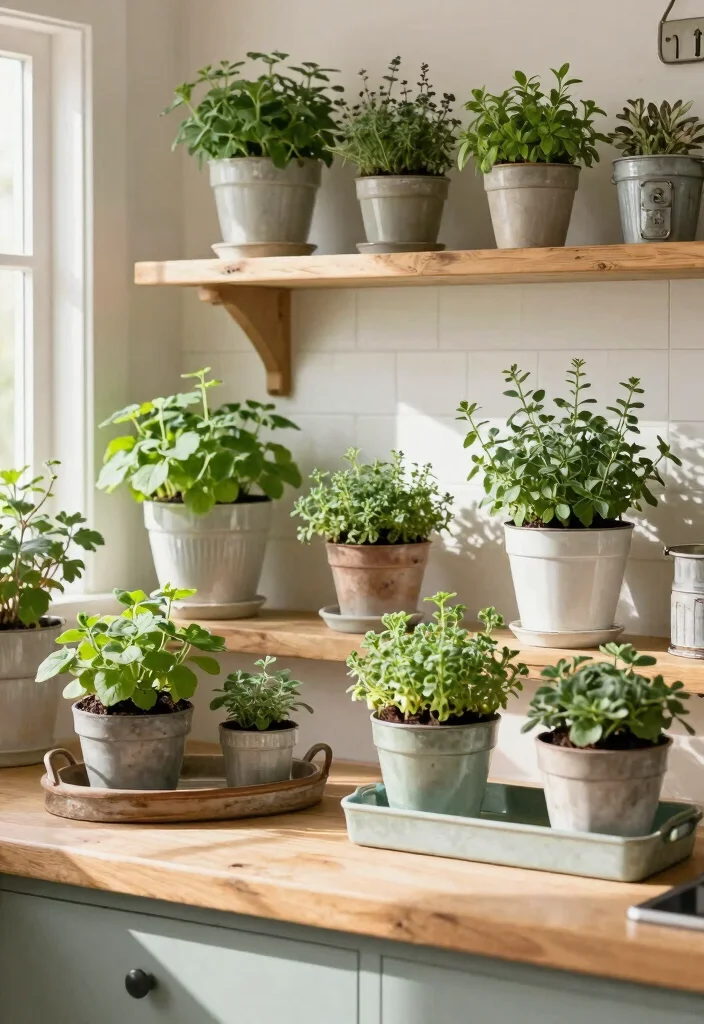
These 15 country farmhouse decor ideas offer a way to harmonize rustic indoor herb gardening with a cozy aesthetic. By integrating these elements into your home, you create a space that’s both functional and inviting, reflecting your love for nature and simplicity. Embrace the beauty of country living with these ideas, and let your passion for gardening flourish.
Whether it’s a charming herb wall or a beautiful centerpiece, each element adds a unique touch to your house, making it feel like a home. Why not try out some of these ideas and let your indoor garden thrive?
Frequently Asked Questions
Question: How can I make indoor herb gardening fit seamlessly with country farmhouse decor without creating clutter?
Start with a cohesive color palette rooted in warm neutrals and natural textures to support country farmhouse decor while housing herbs.
Use shallow wooden shelves, galvanized metal pots, and mason jars to create rustic home decor vibes without overcrowding a counter.
Choose a dedicated herb zone with intentional spacing, like a slim vertical herb wall or a kitchen window box, to keep surfaces clear and maintain minimalist farmhouse design.
Label herbs with vintage-style tags for a touch of vintage farmhouse accents.
Use breathable baskets or wicker for harvest storage and keep decor items to a purposeful few to avoid clutter.
Light: place near a sunny window or under a grow light with warm bulbs to keep herbs healthy and the space cozy.
Maintenance: prune regularly to prevent overgrowth and reuse containers with a rustic finish.
Question: Which rustic decor accents best complement indoor herbs in a country living style?
Think vintage-meets-practical with accents like weathered wood signs, galvanized metal planters, mason jar displays, and distressed crates to reinforce rustic home decor without feeling busy.
Add a small chalkboard for labeling herbs and a copper or brass watering can as a focal point to nod to country living style.
Use rope, burlap, and wicker baskets to hold harvests, keeping surfaces clean for cozy garden decor.
Hang a few tasteful wall baskets for added green without clutter. Keep the palette cohesive and choose 1-2 statement pieces per area for minimalist farmhouse design.
Question: Which herbs are ideal for a cozy indoor display and fragrance in a farmhouse-inspired space?
For a warm, scented display, try basil, thyme, rosemary, lavender (if you have bright sun), mint, and oregano.
Plant them in coordinated pots (terracotta or distressed ceramic) and place on a sunny sill or a small indoor herb stand to create a cozy garden decor focal point.
Use labels in vintage style for vintage farmhouse accents, and group in threes to echo country living style. Rotate herbs seasonally and prune regularly to encourage fuller growth and richer fragrance. Keep soil evenly moist but well-drained for best aroma.
Question: How can I maintain a tidy, minimalist farmhouse design while growing herbs indoors?
Limit to 4–6 uniform pots in a cohesive color palette to support minimalist farmhouse design.
Choose a dedicated herb zone on a slim wall rack or built-in shelf to keep surfaces clear and maintain country living style.
Conceal tools and extra pots in baskets or cabinets for tidy storage and rustic home decor accents used sparingly as statement pieces.
Use one or two vintage-inspired items to anchor the look without overwhelming the space, ensuring a calm, cozy feel.
Question: What care practices keep indoor herbs healthy and thriving in a country farmhouse setting?
Give them bright light—aim for about 6–8 hours of direct or bright indirect sun daily and supplement with a grow light if needed for darker rooms.
Water when the top inch of soil dries; ensure pots have drainage and avoid waterlogging by using trays or saucers.
Provide good airflow to prevent mold and pests; prune regularly to encourage bushier growth and harvest as needed for fresh cozy garden decor.
Repot as plants outgrow their containers, rotate pots for even growth, and fertilize lightly with a balanced, organic option.
Seasonal adjustments matter—watch for humidity in winter and more light in darker months.
Related Topics
country farmhouse decor
rustic home decor
vintage farmhouse accents
cozy garden decor
minimalist farmhouse design
indoor herb gardening
country living style
easy decorating
seasonal decor
farmhouse chic
DIY farmhouse projects
beginner friendly