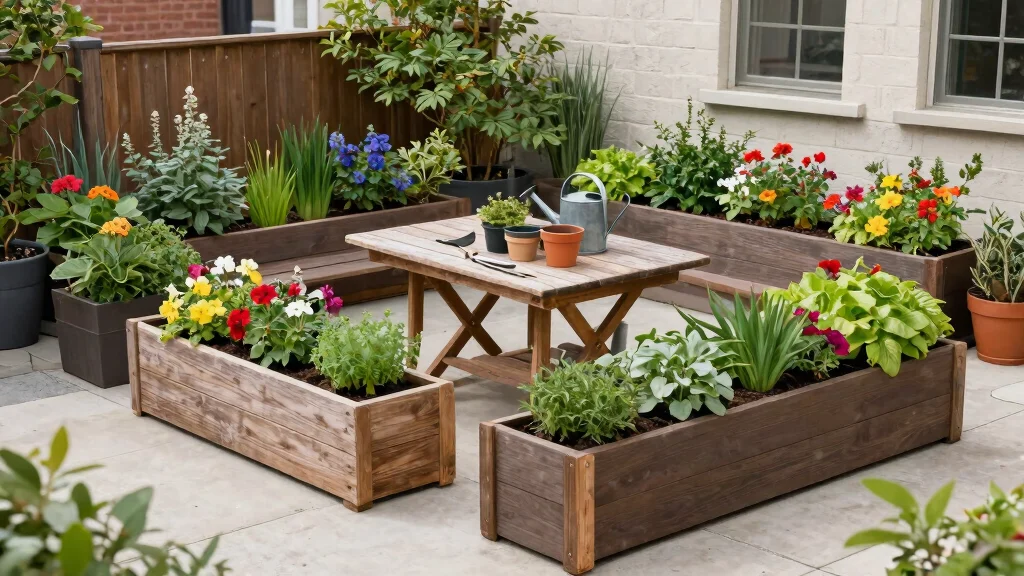
Are you craving a garden space but limited by concrete or pavers? You’re not alone. Many of us living in urban areas face the challenge of limited gardening space. We want vibrant plants but feel boxed in by hard surfaces. That’s why I put together this guide. I want to help you bring the joy of gardening into your small urban patio.
If you’re someone who loves container gardening or small-space gardening, you’re in the right place. This post is designed especially for urban gardeners who want to create a beautiful green space, even when surrounded by concrete. Whether you’re growing herbs, vegetables, or just want to add some greenery, there are plenty of solutions that fit your needs.
In this guide, you’ll discover 15 amazing patio raised garden beds that can thrive in your concrete or paved areas. Each option is unique, allowing you to choose what best suits your style and space. From vertical gardens to mobile beds, you’ll find ideas that are creative, practical, and sure to inspire your gardening journey. Let’s dive in and transform your patio into a flourishing garden oasis!
Key Takeaways
– Space-Saving Solutions: Explore raised garden beds that maximize vertical space, perfect for small patios.
– Mobility Matters: Discover mobile raised garden beds that allow you to move your plants as needed for sun or shade.
– Self-Watering Options: Learn about self-watering raised beds that help maintain moisture and reduce your maintenance time.
– Creative Materials: Find out how to use recycled materials, like pallets and containers, for an eco-friendly gardening approach.
– Herb and Vegetable Combos: Get tips on pairing herbs with vegetables for efficient use of space and companion planting benefits.
1. Vertical Raised Garden Beds
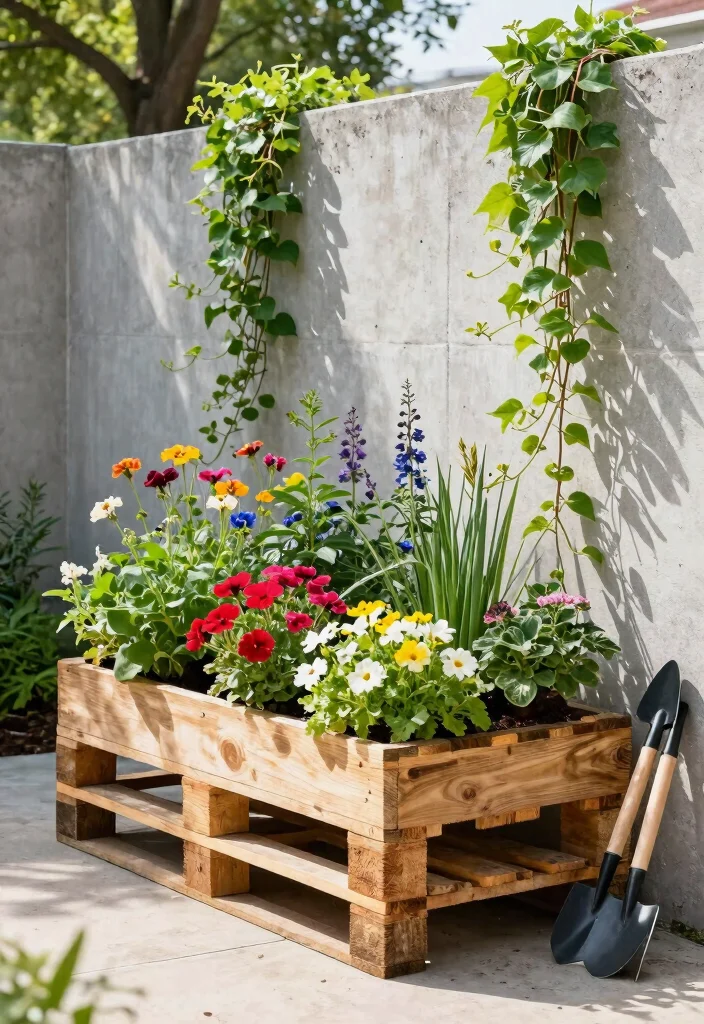
Are you struggling with limited space for your garden? Vertical raised garden beds can be your solution, allowing you to cultivate a variety of plants upward instead of outward. You’ll enjoy fresh produce and vibrant flowers right on your patio, all while saving valuable ground space. Construct these beds using simple materials like shelves, pallets, or tiered planter boxes to fit your style and needs.
To get started, consider mixing herbs with colorful flowers for an eye-catching display. Implement a drip irrigation system to keep your plants well-hydrated without the constant hassle of watering. Vertical gardens not only enhance your outdoor space but also promote eco-friendly gardening practices.

MOBILE GARDEN ON WHEELS — Two all-terrain wheels and an ergonomic handle let you roll a 200+ lb planted bed wherever sunlight goes. Move your garden across patio, balcony, or backyard in minutes.

SIZE: The plant bed measure is 23.6"L x 23.6"W x 11.8"H. This round planter box provide ample growing space to raise vegetables, flowers and plants.

2. Tiered Planter Boxes
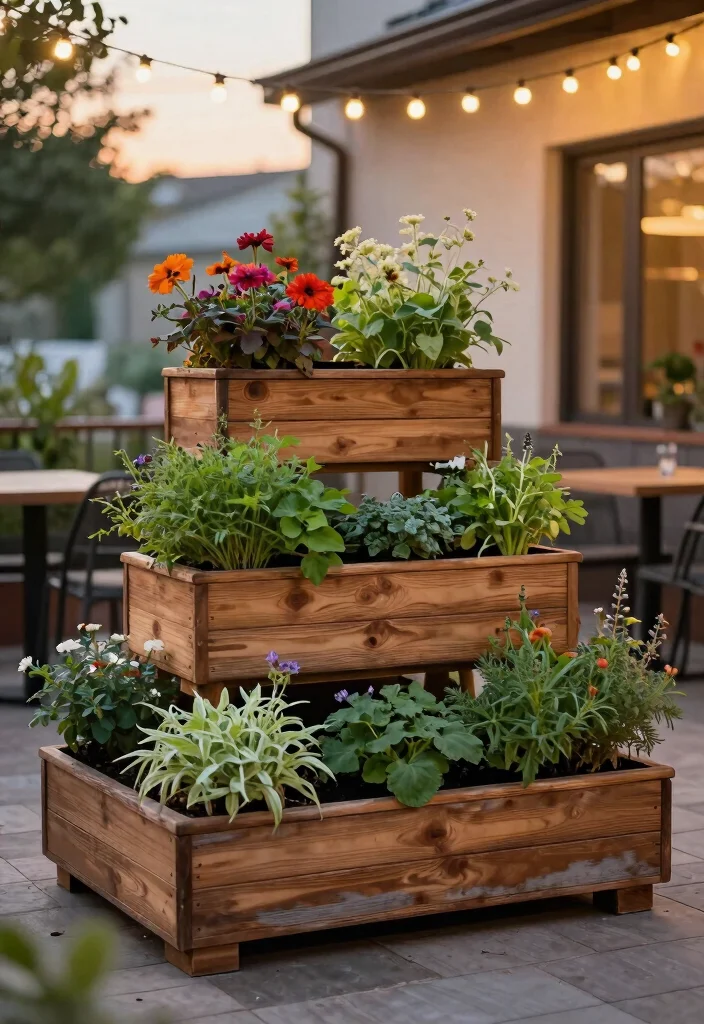
Looking to make a statement with your garden? Tiered planter boxes can elevate your patio’s style while providing ample growing space. These multi-level designs allow you to create a cascading effect with different flowers, herbs, and vegetables, making your garden a visual delight.
When planning your tiered garden, select taller plants for the back and shorter ones for the front for a balanced look. Don’t forget to consider blooming seasons to ensure a continuous splash of color throughout the year. Mixing textures with leafy greens and vibrant flowers will add even more visual appeal to your setup.

400LBS CAPACITY & RUST-RESISTANT STEEL: Made from heavy-duty galvanized steel with a premium outdoor-grade powder coating. The double-layer coating is 3x thicker, protects against rain, snow, and UV, and is safe for plants and people - this raised bed holds up to 400 lbs of soil without bending. Trusted by over 50,000 gardeners with 6,700+ reviews

EASY MOBILITY: Built with a set of locking wheels to move the planter from place to place and capture the right amounts of sun and shade

Built for Stability & Long-Term Use: Reinforced with upgraded W-shaped metal brackets at key joints, this raised garden bed stays sturdy under the weight of soil, water, and growing plants. No wobbling, no cracking — designed for reliable outdoor use season after season.
3. Mobile Raised Garden Beds
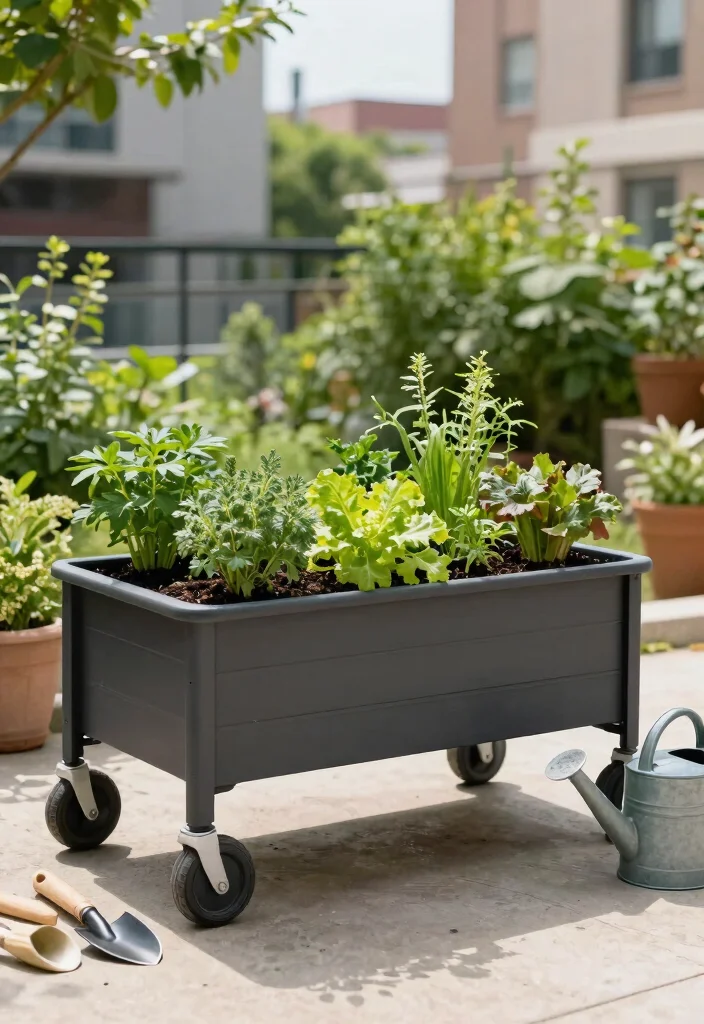
Do you want the flexibility to move your garden according to the sun? Mobile raised garden beds are designed for gardeners who need to adjust their plants’ locations easily. With wheels or casters, you can reposition your plants to soak up sunlight or shield them from harsh weather.
Make sure to choose mobile beds with sturdy wheels that lock in place to prevent unwanted movement. Customize your garden with storage options for soil and tools, making it a practical addition to your gardening routine. Enjoy the convenience of growing plants in a way that adapts to your lifestyle.

DIMENSIONS: 32. 3 in. L x 14. 7 in. W x 30. 7 in. H

EASY MOBILITY:This tomato planter comes with 5 sturdy wheels (four with brakes), making it easy to move around. Tomatoes love sunlight but should avoid excessive exposure. The optimal growing temperature is between 64-95°F. By moving the planter, you can easily adjust the sunlight exposure duration and intensity based on the weather and daily temperature, ensuring your plants grow healthy and produce more fruits.
【Self-watering System for Easy Planting】The irrigation kit makes planting easier and more efficient. The misting system can produce water mist, which absorbs the heat in hot summer and provides a cooling down outdoor area for plants while photosynthesis. Also, it can cover a larger area than traditional watering, increasing humidity effectiveness, give a uniform water volume for plant watering in the garden bed.
4. Pallet Planters
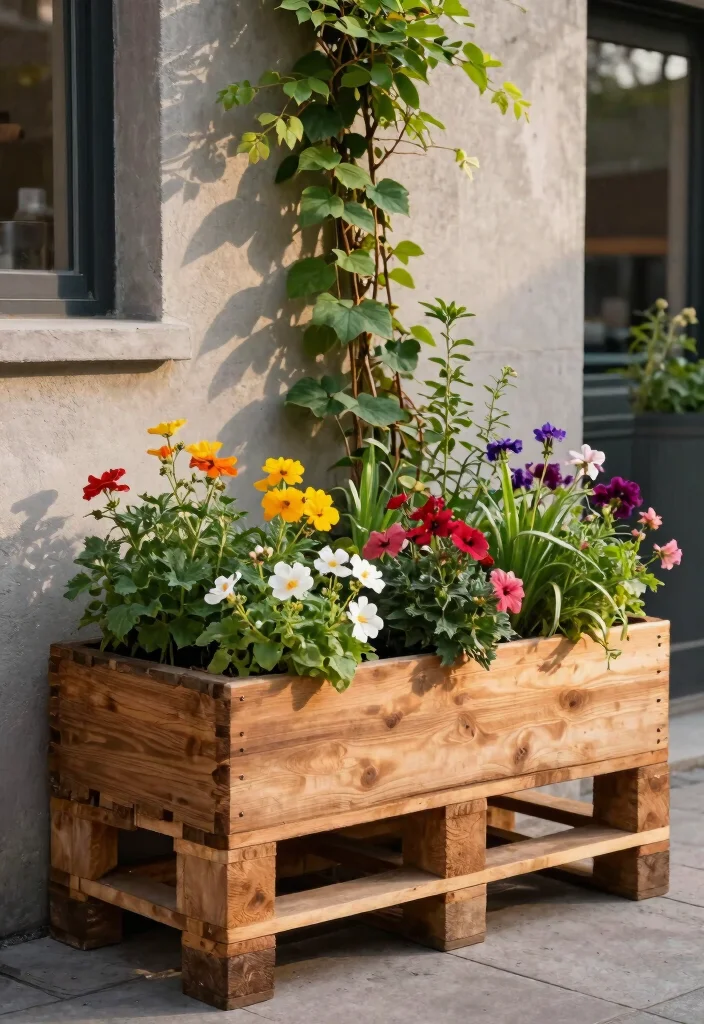
Want to add an eco-friendly touch to your garden? Pallet planters are a stylish and sustainable option for urban gardening. Crafted from reclaimed wood pallets, these planters are easy to assemble and offer a unique opportunity for creative expression.
Consider laying pallets flat or standing them upright to create multiple planting pockets. Fill them with your favorite herbs, flowers, or even succulents for a modern urban garden look. With good drainage, pallet planters are perfect for container gardening on concrete surfaces.
Fun fact: A single pallet can become four vertical planting pockets, instantly boosting your pallet planters and patio raised garden beds. Upcycling pallets can cut waste by up to 60% and save you money while adding a chunky, modern look to urban spaces.


【Package included】:Crafted from robust hollow steel, this garden stakes features a fade-resistant green plastic coating, offering reliable protection against wind, rain, and rust. This Trellis for Climbing Plants Outdoor comes complete with everything you need to get started: 17pcs metal stakes, 8pcs T shape connect pipe, 2 A-shaped connectors, and a 0.9x1.8meter bird net.

Key Trade-offs & Our Top Pick
When you’re looking for the best patio raised garden beds that work on concrete or pavers, it’s essential to understand the trade-offs between various options. Each type has its strengths and weaknesses. Let’s break it down!
1. Vertical Raised Garden Beds
– Pros:
– Maximizes space by growing upwards, perfect for small patios.
– Easy access for maintenance and harvesting.
– Cons:
– Limited soil volume can restrict plant growth.
– May require regular watering due to quicker drying out of soil.
– Best for: Small urban spaces where floor area is limited, but vertical space is available.
2. Tiered Planter Boxes
– Pros:
– Creates an attractive layered look for your garden.
– Allows for different plant types at varying heights to control sunlight exposure.
– Cons:
– Can be heavy and challenging to move once filled with soil.
– Requires more soil and materials than standard beds.
– Best for: Urban gardeners who want a stylish yet functional design.
3. Mobile Raised Garden Beds
– Pros:
– Portability allows for easy relocation, great for sun exposure changes.
– Easy to harvest and maintain without bending over too much.
– Cons:
– Wheels may not be sturdy enough for larger plants.
– Soil could dry out faster due to mobility.
– Best for: Gardeners who frequently rearrange their outdoor setup or need flexibility.
4. Self-Watering Raised Beds
– Pros:
– Reduces the need for daily watering, perfect for busy lifestyles.
– Maintains consistent moisture levels for healthier plants.
– Cons:
– Can be more expensive than traditional beds.
– May require occasional maintenance to ensure the water system works properly.
– Best for: People who want low-maintenance gardening solutions.
5. Rustic Wooden Raised Beds
– Pros:
– Offers a natural aesthetic that blends well with outdoor spaces.
– Durable wood can last for years with proper treatment.
– Cons:
– Wood may rot over time, especially if not treated.
– Heavier than other materials, making them challenging to move.
– Best for: Gardeners looking for a classic look in their outdoor spaces.
Expert Recommendation:
Best Overall: Self-Watering Raised Beds
These beds are our top pick because they marry convenience with effectiveness. They save you time by minimizing daily watering and help maintain consistent soil moisture, which is crucial for healthy plant growth. Their versatility makes them suitable for various plant types, from herbs to vegetables. While they might have a higher upfront cost, the long-term benefits of reduced maintenance and healthier plants justify the investment.
Why We Picked This:
If you prioritize aesthetics, rustic wooden raised beds might be more appealing. For those tight on space, vertical raised beds offer great solutions. Consider your gardening style and needs. Each option has its value – choose what works best for you and your patio!

【Perfect Design】: The 3-tier planter box design will not take up too much floor space, which can separate and organize the sections as well as grow different kinds of plants. In addition, the trapezoidal design allows all plants to enjoy full sunlight for better growth. The box bottom of each tier is equipped with drainage holes to help drain excess water and prevent root rot.

🪴【Perfect Design】: The 3-tier planter box design will not take up too much floor space, which can separate and organize the sections as well as grow different kinds of plants. In addition, the trapezoidal design allows all plants to enjoy full sunlight for better growth. The box bottom of each tier is equipped with drainage holes to help drain excess water and prevent root rot.

【Tiered Vertical Raised Garden Bed】Split-level and ladder design can offer ample spce for plants to grow and plant on each tier can receive enough sunshine. In addition, the triangular design of the base legs makes the planter stand more stable when bearing weight.
5. Built-In Planter Benches
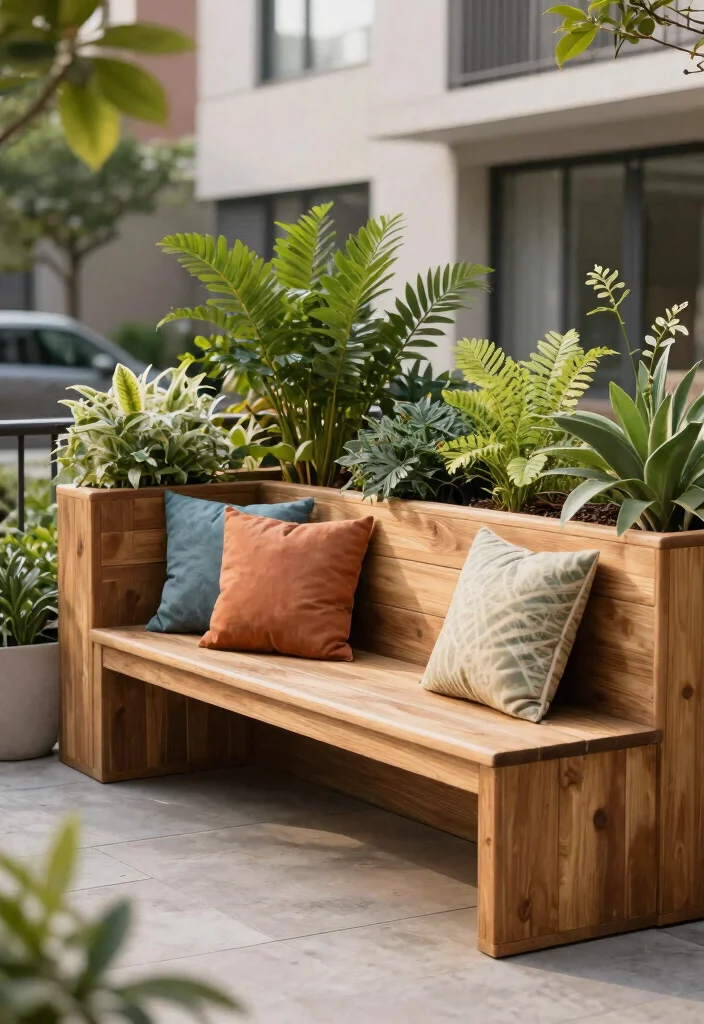
Seeking a way to maximize your patio space? Built-in planter benches combine seating and gardening into one functional design. These benches not only provide a comfortable place to sit but also integrate planters for growing flowers or herbs.
When designing a planter bench, choose durable materials to withstand the elements. Adding cushions will enhance comfort, while selecting weather-resistant plants will ensure they thrive. This dual-purpose solution transforms your patio into a cozy retreat surrounded by greenery.
❝Fun fact: A built-in planter bench on a small patio can reclaim up to 30% of floor space for seating and herbs—perfect for patio raised garden beds. With durable materials and weather-resistant plants, you get cozy seating that doubles as a mini garden.❞

Size: The garden bed measure is 46"L x 23.6"W x 17"H. The planter box provides ample space for planting vegetables, fruits, flowers and other plants.

Generous Planting Space: Ample bed space provides your plants and vegetables with room to thrive, promoting healthy growth and robust yields.
6. Hanging Wall Planters
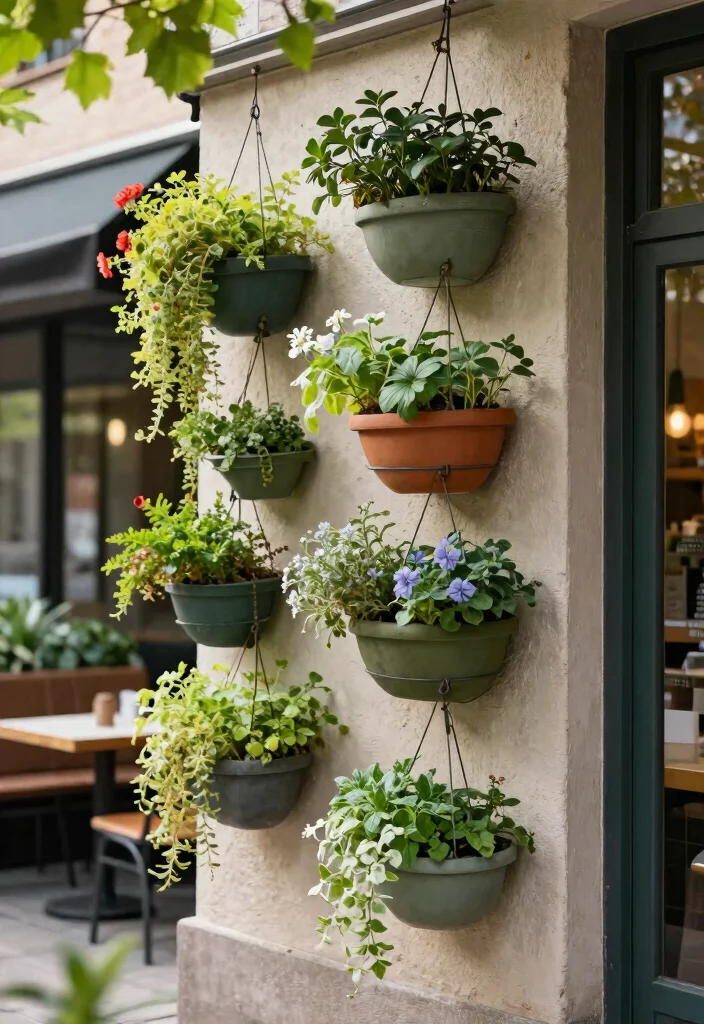
Do you want to transform your walls into a lush garden? Hanging wall planters are a fantastic way to maximize vertical space in urban settings. These innovative designs allow you to cultivate herbs, flowers, and even small vegetables, turning blank walls into vibrant green spaces.
Opt for trailing vines and cascading flowers that thrive in hanging conditions. Make sure to provide adequate support and a proper watering system for healthy growth. With wall planters, you’ll create a stunning visual display that breathes life into your urban environment.

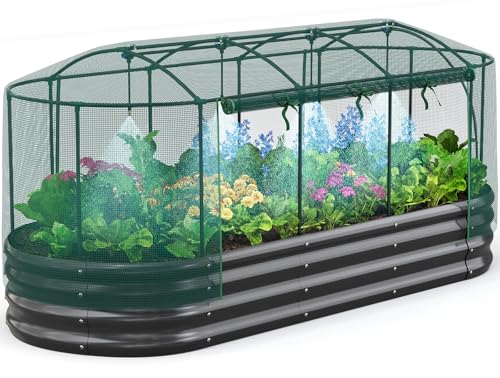
🌿 Greenhouse Covered Raised Garden Bed: This 2x4ft elevated planter features a protective greenhouse cover, creating a cozy environment for your plants and extending your gardening season. Perfect for growing vegetables, herbs, and flowers outdoors in spring, fall, or unpredictable weather.

【Simple, Satisfying Assembly】Assembly is quick and hassle-free thanks to clearly labeled parts and clear instructions. Designed with precision and built to last, everything clicks into place perfectly, the structure is incredibly sturdy.

ERGONOMIC ELEVATED DESIGN - Standing 26.3 inches tall, this raised garden bed with legs is designed to prevent bending and kneeling, making gardening comfortable and reducing strain on your back and knees.
7. Stacked Planters
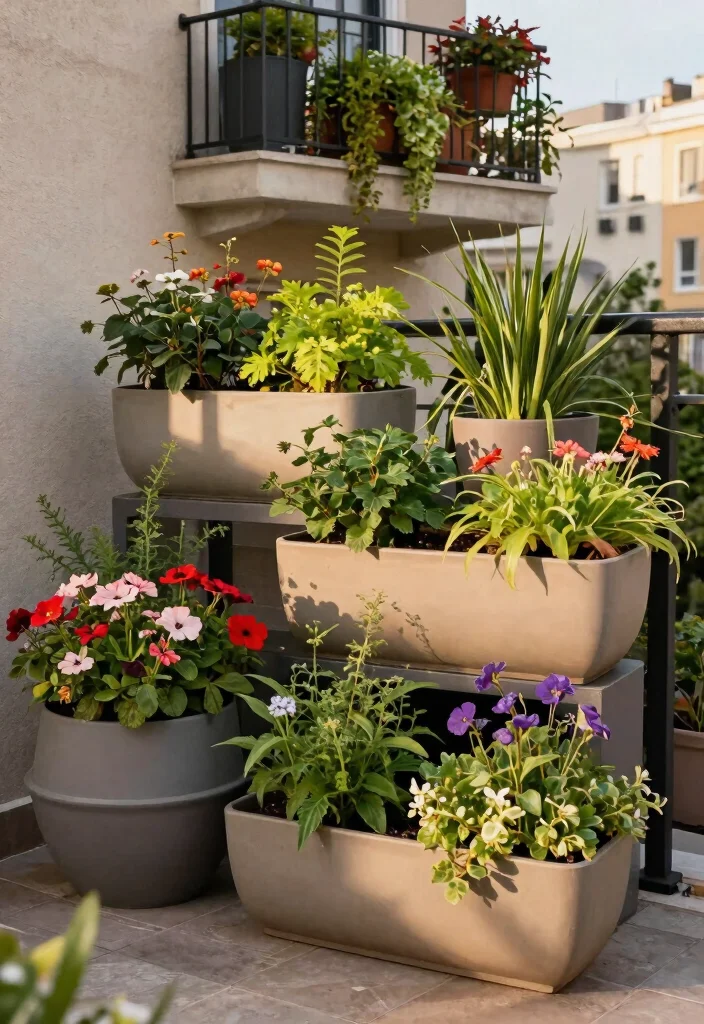
Looking for a space-saving solution for your garden? Stacked planters offer a clever way to create layered planting areas without taking up too much ground space. These multi-tiered structures not only look fabulous but also allow you to grow various plants, from herbs to vegetables.
Choose plants with different root depths for each layer to maximize growth. Ensure that your design includes proper drainage to avoid waterlogging. By positioning stacked planters in sunlight, you’ll create an attractive centerpiece for your patio while showcasing your gardening creativity.

Scientific Design: Bottom Water Reservoir and Air hole circulation system that provides ample moisture to the plants. This reservoir acts as a constant water source and oxygen, promoting healthy root development and overall plant vitality.

10L 3-Chamber Self-Watering System, Saves 50% Water:Built with 3 independent reservoirs totaling 10L capacity, this planter delivers steady moisture to roots via capillary action, cutting surface evaporation by 50%. The clear water level indicator removes guesswork, requiring watering only once every 3–10 days while effectively preventing overwatering and root rot.

ERGONOMIC DESIGN: Reasonable height design reduces the need for bending or kneeling to operate, reduces the burden on the body, and makes gardening activities more comfortable and convenient.
8. Self-Watering Raised Beds
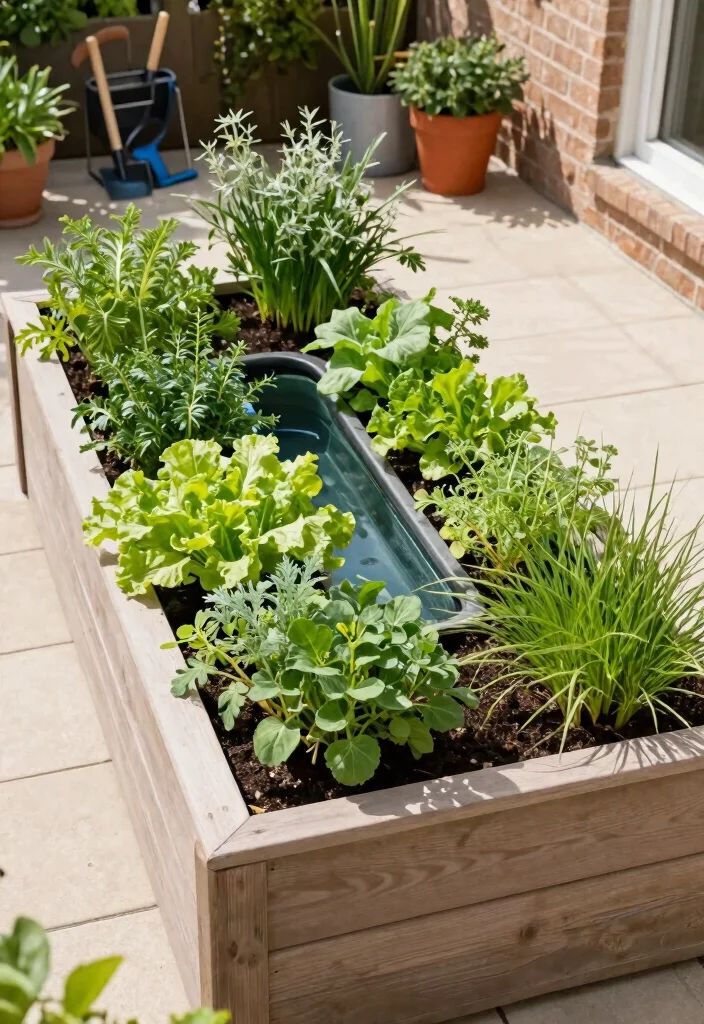
Do you sometimes forget to water your plants? Self-watering raised beds might be the perfect answer for busy gardeners. These beds feature a reservoir system that allows plants to absorb water as needed, reducing the frequency of watering.
Look for quality materials that ensure durability and ease of maintenance. Filling the reservoir is simple, allowing you to enjoy lush plants without constant attention. This system promotes healthy growth and saves you time, making gardening more enjoyable.

Garden Trellis Size for Raised Beds: This 48" L x 48" H cucumber trellis for raised bed adjusts from 16" to 26" wide, fitting many 4 ft raised garden beds. Use it as a trellis for raised garden bed layouts to save ground space while guiding vines upward.

【HIGH COST PERFORMANCE】Besides the frame trellis, we also provide multiple accessories for your need.Includes 8 x panel trellis, 12 x screw, 6 x ground stakes,20Pcs cable zip ties,a pair of gloves.You may assemble the unit according to the picture.It can also be combined into your favorite or suitable shape.

【Rust-Resistant Material】: Cucumber trellis is constructed with high-quality galvanized steel inner pipes and an exterior plastic coating, forming a dual-layer rust-proof barrier to ensure long-lasting durability
9. Rustic Wooden Raised Beds
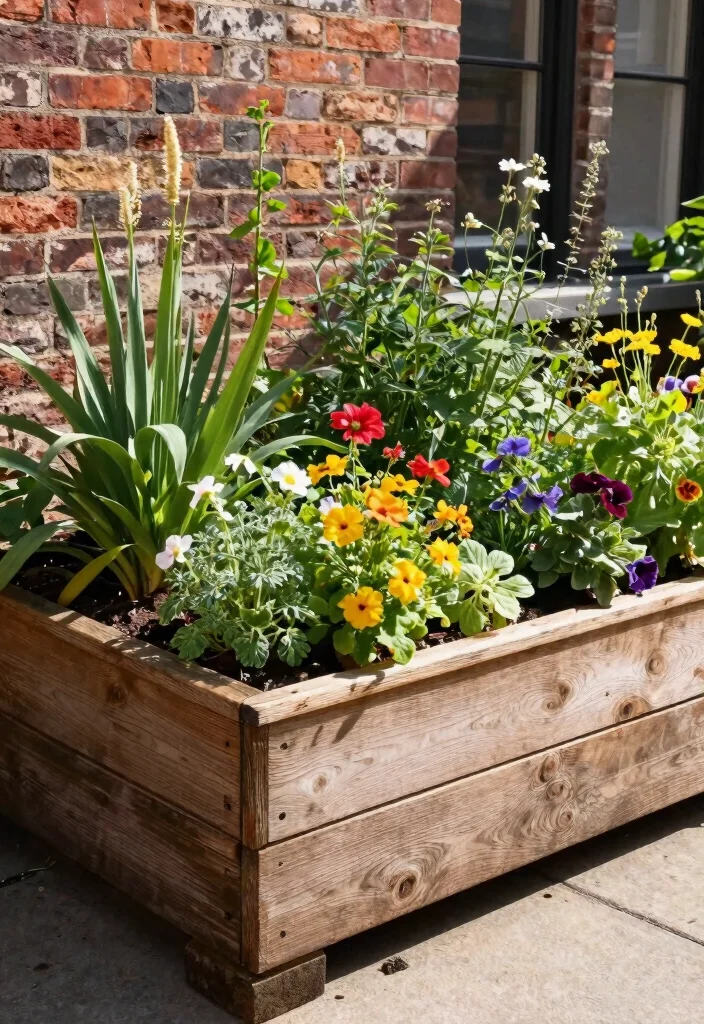
Craving a charming touch for your garden? Rustic wooden raised beds provide a warm, natural look that fits beautifully into urban patios. Made from weathered wood, they can be customized to suit any space, adding character to your gardening area.
Fill these beds with organic soil and your favorite plants to create a thriving garden. Incorporating colorful flowers and aromatic herbs can turn your patio into a delightful escape. The rustic charm of these beds enhances both functionality and aesthetics.
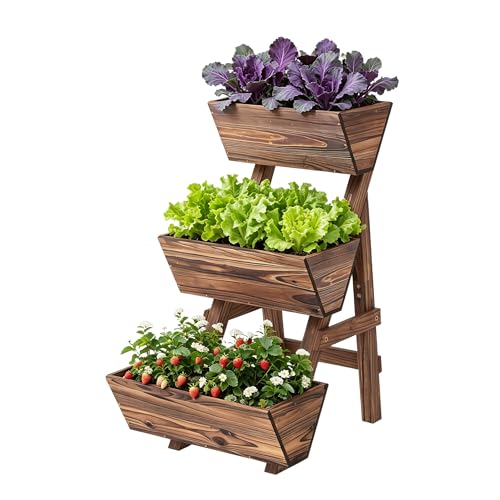
【Space-Saving 3-Tier Design】: The 3-tier planter box design will not take up too much floor space, which can separate and organize the sections as well as grow different kinds of plants. The trapezoidal design allows all plants to enjoy full sunlight for better growth. The box bottom of each tier is equipped with drainage holes to help drain excess water and prevent root rot

5 Separate Planting Boxes: Five individual planter boxes provide dedicated growing areas for herbs, vegetables, flowers and succulents, making it easier to keep different plants organized within one compact vertical garden instead of spreading multiple pots across the floor.

Spacious 5-Tier Growing Area: Designed with 5 separate planting boxes, this garden planter provides generous room for growing fruits, succulents, vegetables, or colorful flowers while keeping your gardening area neatly organized in one place.
10. Metal Raised Beds
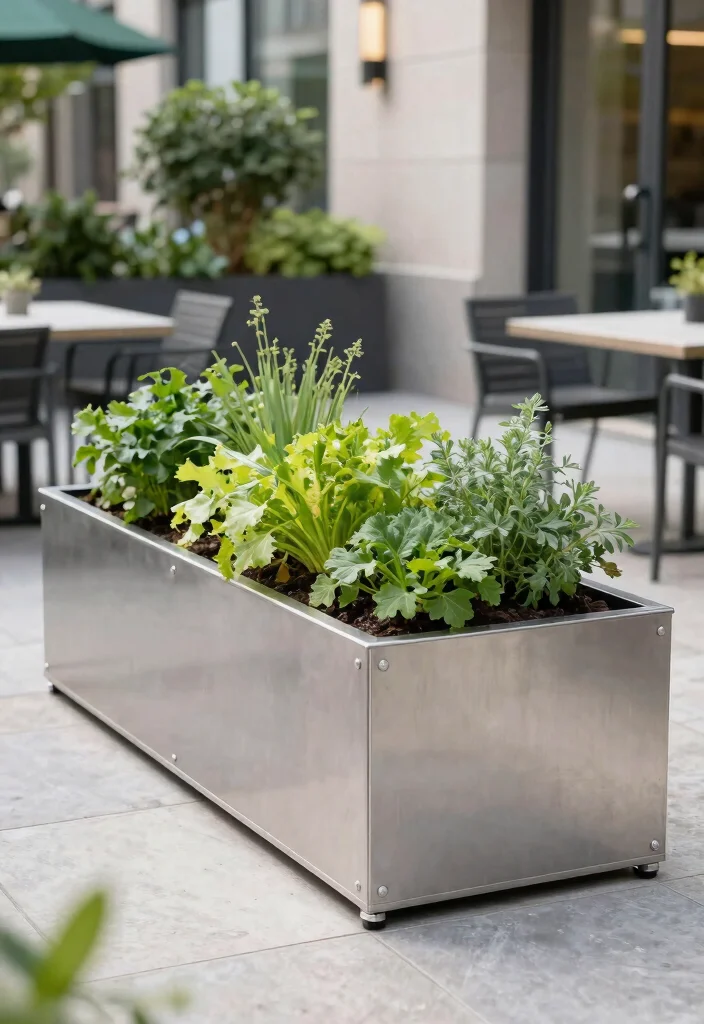
Want a modern twist for your garden? Metal raised beds offer a sleek and stylish option for contemporary urban patios. Durable and easy to maintain, these beds can withstand the elements while providing a chic look.
Select galvanized steel or aluminum for corrosion resistance and longevity. Fill them with quality soil and watch your plants thrive in a stylish environment. The metal’s ability to warm up quickly in sunlight promotes faster growth, making them a smart choice for any gardener.
11. Container Garden Combos
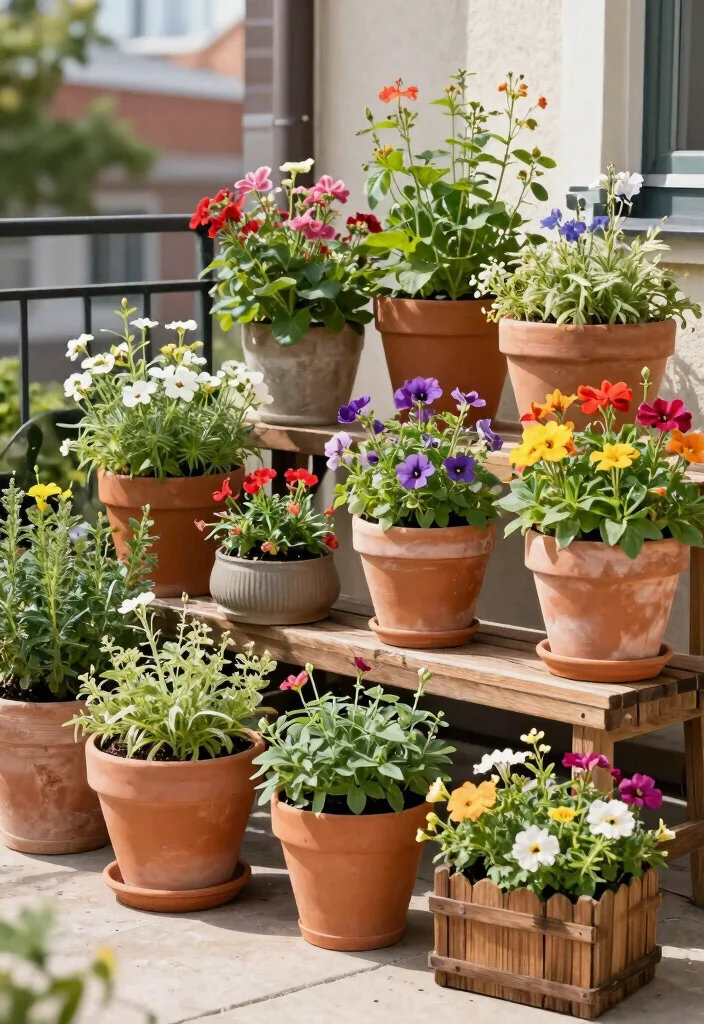
Interested in creating a dynamic garden space? Mixing various containers can add depth and visual interest to your patio. By using different sizes, shapes, and materials, you can showcase your personal style while providing a diverse environment for plants.
Vary heights and sizes for a more appealing layout. Group plants with similar sunlight and water needs together for optimal growth. Add decorative stones or garden ornaments to enhance your container garden’s charm and personality.
12. Herb Spiral
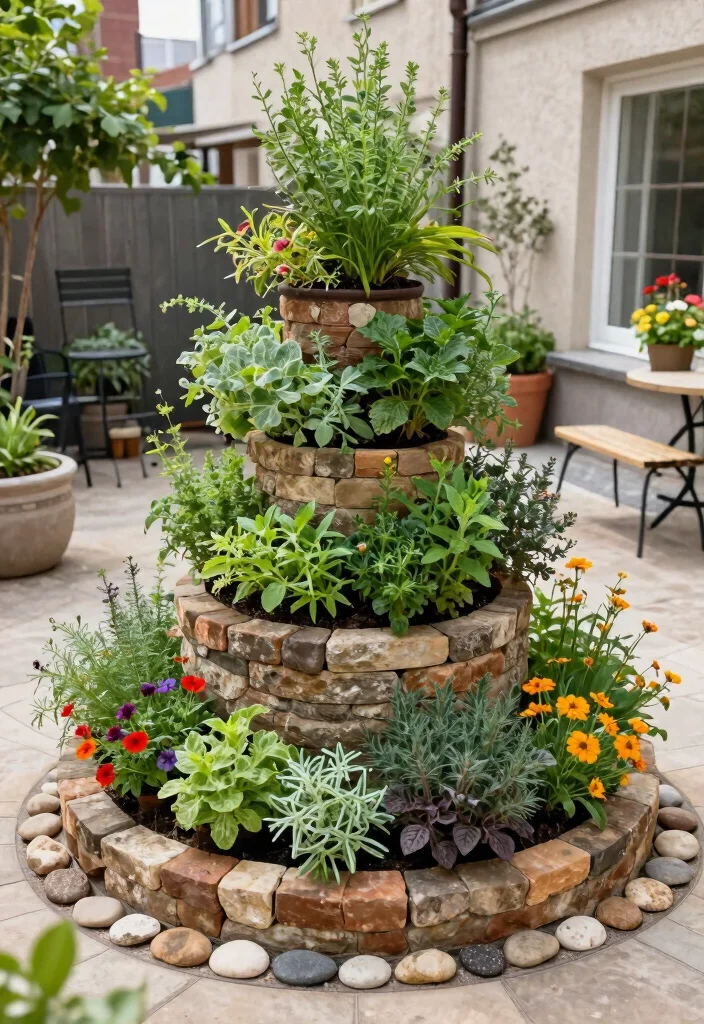
Want to maximize your herb garden’s potential? An herb spiral is a creative and space-efficient design that allows a variety of herbs to thrive in a small area. This spiral structure creates microclimates, catering to different herbs’ specific needs, from moisture-lovers at the bottom to drought-resistant varieties at the top.
Building an herb spiral can be a fun DIY project, perfect for family involvement. With a mix of culinary and medicinal herbs, you’ll have fresh ingredients at your fingertips while enhancing your patio’s beauty.
13. Recycled Containers
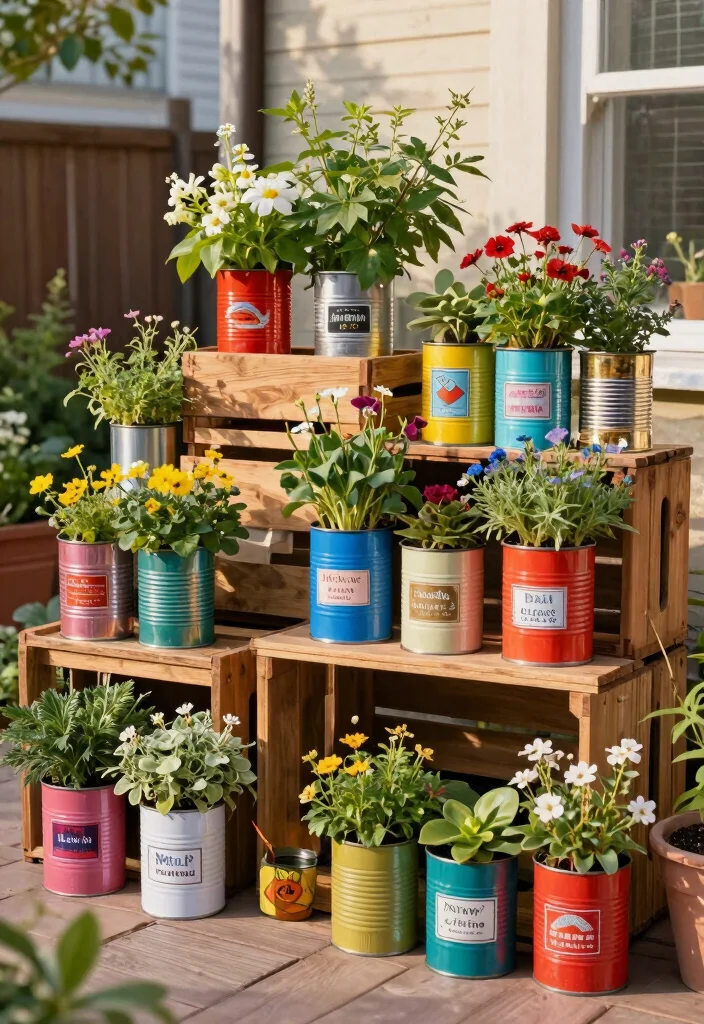
Looking for a budget-friendly gardening solution? Recycled containers are an eco-conscious choice for urban gardens. By repurposing old crates, buckets, or tin cans, you can create charming planters while reducing waste.
Transform old furniture, like dressers or nightstands, into raised beds for a unique touch. Use wicker baskets lined with plastic for planting, or paint tin cans for a fun, colorful effect. This creative approach not only showcases your style but also makes gardening a fun project to share with family and friends.
Fun fact: using recycled containers can cut project costs by up to 60% for patio raised garden beds. Grab old crates, paint tin cans, and transform them into charming, budget-friendly planters for tight urban spaces. Start small, grow more, and waste less.
14. Herb and Vegetable Combo Beds
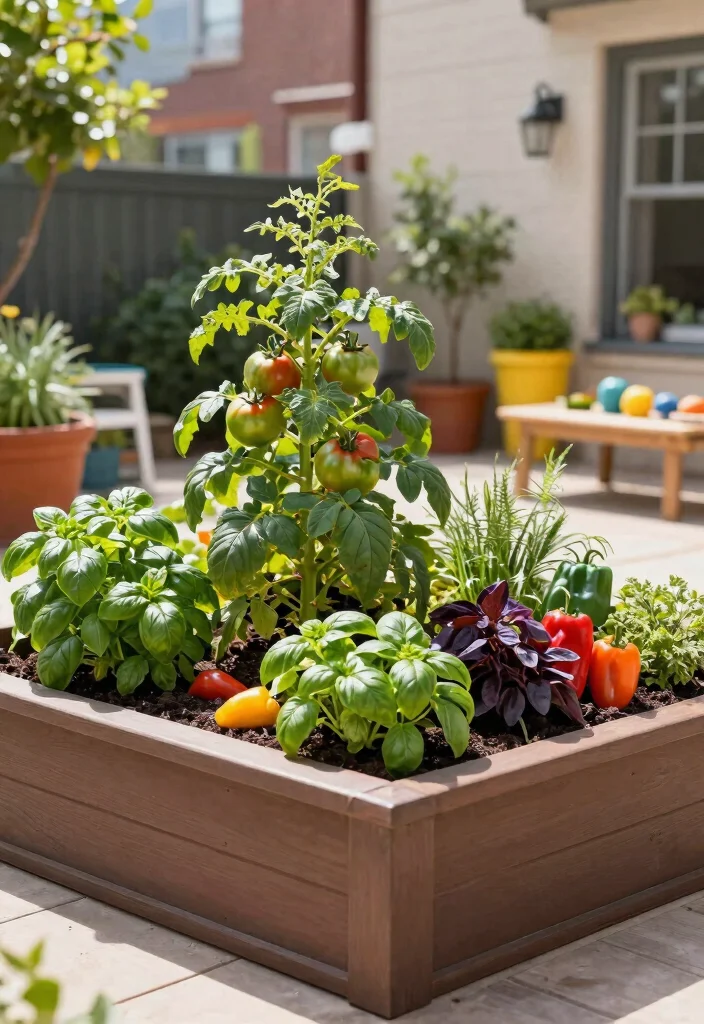
Want to make the most of your gardening space? Combo beds with both herbs and vegetables maximize your patio’s potential. These beds yield fresh ingredients for your kitchen while allowing you the joy of growing your own food.
Pair compatible varieties, like basil with tomatoes, to ensure they thrive together. Utilize companion planting to improve overall health and yield, and rotate crops each season to maintain soil vitality. Enjoy the convenience of having fresh culinary delights just steps away from your kitchen.
15. Seasonal Planters
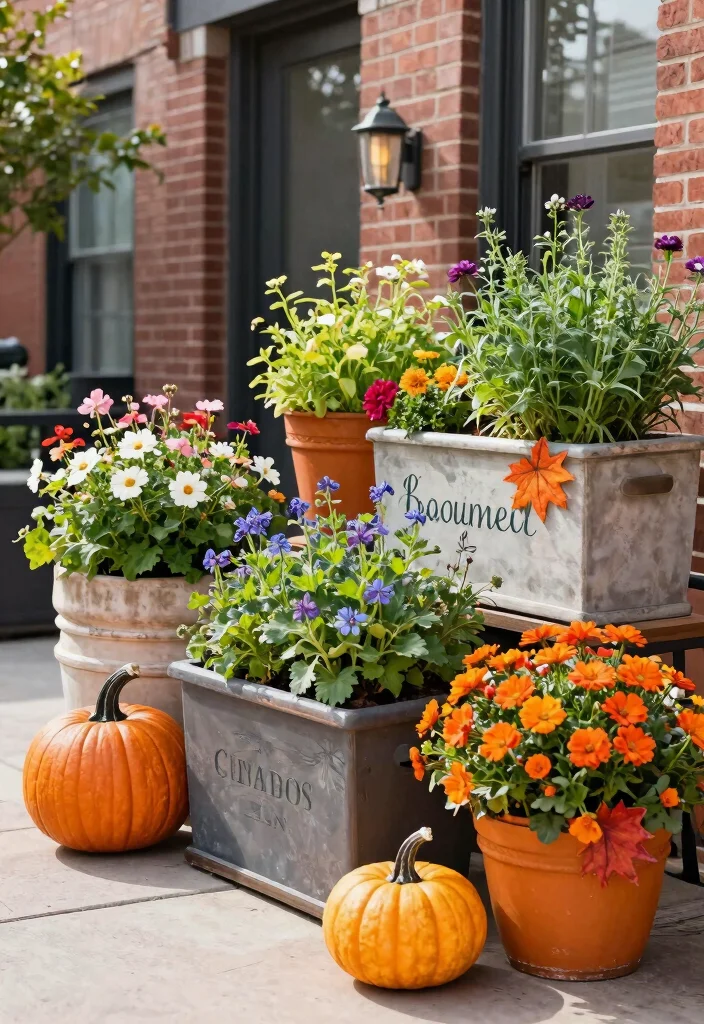
Looking to keep your garden fresh year-round? Seasonal planters offer a fun way to change your patio’s look with the seasons. By swapping out plants according to the time of year, you can ensure your garden remains vibrant and visually appealing.
Select seasonal flowers that bloom at different times to create a colorful display. Choose hardy varieties that can withstand local climate conditions, and incorporate seasonal decorations for extra flair. With thoughtful planning, seasonal planters will keep your outdoor space lively and inviting throughout the year.
Conclusion
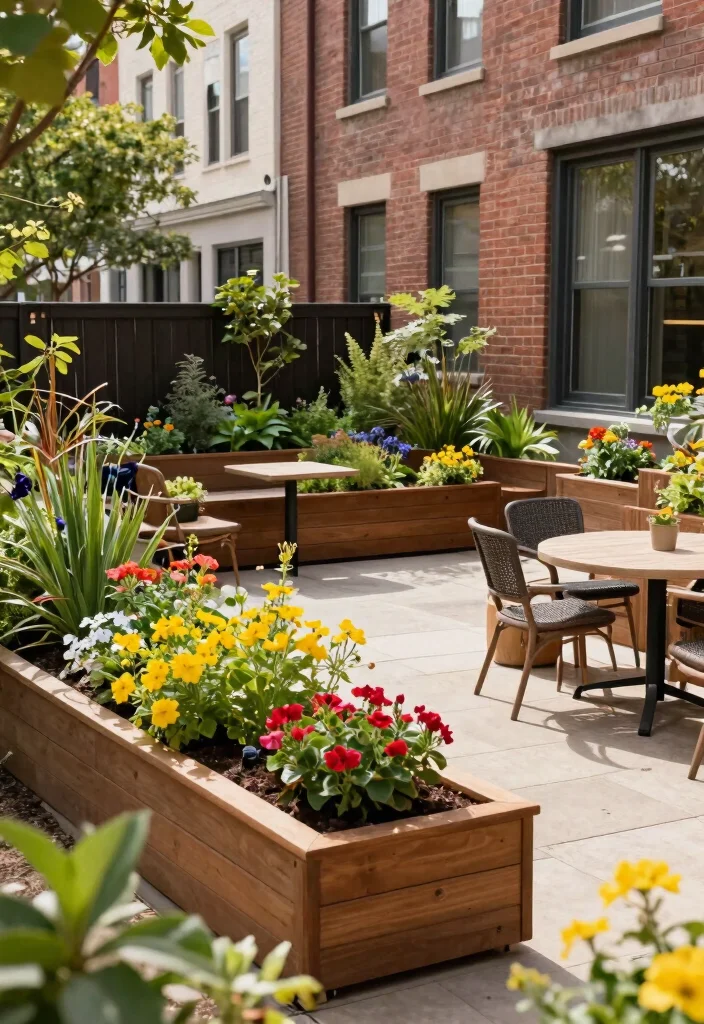
Patio raised garden beds open up a world of gardening possibilities for urban dwellers. From vertical gardens to mobile planters, the options are limitless and can be tailored to fit your specific space and style preferences. Each idea highlighted here not only maximizes your small outdoor area but also contributes to a greener living environment.
Consider incorporating one or more of these designs into your patio gardening routine, and enjoy the beauty and harvest of your own urban oasis!
Frequently Asked Questions
Question: What exactly are patio raised garden beds, and why are they a great fit for concrete or pavers?
Patio raised garden beds are freestanding containers or framed beds that sit above the ground, filled with nutrient-rich soil for easier access and better control of drainage.
They’re perfect for gardening on concrete or pavers because you don’t need in-ground soil, you can position them in sunny spots, and they help prevent soil compaction on hard surfaces.
In urban gardening, they turn small spaces into productive growing areas. To get started: measure your space, choose a bed size that fits your footprint, pick durable materials such as cedar, composite, or powder-coated metal, and add a bottom drainage layer and a breathable liner to keep roots happy.
Use a high-quality potting mix and a simple watering plan to keep patio raised garden beds on concrete stress-free.
Question: How do I choose the right size and material for patio raised garden beds on a patio?
Start with your space—measure width, length, and the height that’s comfortable for you.
For small spaces, aim for beds 24–36 inches wide so you can reach both sides without stepping into the bed, and 12–24 inches of soil depth works well for most vegetables.
Material options include cedar (natural look, good durability), composite (low maintenance), powder-coated metal (durability), or heavy-duty plastic (affordable).
On concrete, also consider weight, mobility (wheels or feet), and drainage features to avoid puddling.
All of this supports practical urban gardening and small space gardening while keeping patio raised garden beds stable and productive.
Question: Which plants work best in patio raised beds on concrete, and how can I maximize yields in a small space?
Choose compact, high-yield plants that don’t need deep roots in raised beds. Good options include herbs like basil, oregano, and thyme; leafy greens such as lettuce, spinach, and arugula; compact tomatoes and cherry tomatoes; dwarf pepper varieties; radishes and beets; and strawberries in shallow beds.
Maximize yields with vertical training (trellises for tomatoes and cukes), succession planting (plant new greens every few weeks), and companion planting for pest control. Use a sun-loving arrangement so you get at least 6–8 hours of sun for most vegetables.
Water efficiently with a drip system or soaker hoses to minimize mess on concrete, and keep soil consistently moist with a high-quality potting mix enriched with compost. This is classic container gardening in the patio raised garden beds—an essential tactic for urban gardening on small spaces.
Question: What are the best practices for drainage and stability to prevent leaks and wobble on concrete or pavers?
Set up on a stable base: place the bed on a flat, level surface and consider adding a thin plywood or plastic tray to distribute weight and protect the concrete.
Provide drainage: drill or ensure bottom drainage holes, add a layer of coarse gravel or crushed stone, then cover with landscape fabric to keep soil from washing out.
Increase stability: use bed feet or risers to lift the frame slightly off the surface, anchor with anti-tip straps if needed, and choose a shorter, wider bed to reduce tipping risk on windy days.
Line the interior with a permeable liner if you’re worried about soil leaking onto concrete, and always place a saucer or tray underneath to catch overflow. This helps with gardening on concrete and urban gardening on a hard surface.
Question: How should I water and maintain soil in patio raised beds to keep soil healthy and minimize mess on concrete?
Fill with a high-quality potting mix blended with compost for nutrient density and good drainage.
Top with a thin layer of mulch to conserve moisture and reduce soil splash on concrete.
Water deeply and infrequently or install a drip irrigation system with a timer for consistent moisture, especially in hot summers; morning watering is ideal to reduce evaporation and disease.
Fertilize every 4–6 weeks with a balanced, water-safe fertilizer and refresh or rotate crops each season to keep soil from tiring out. For container gardening on concrete and small space gardening, consider a raised bed gardening soil plan that’s easy to replenish and maintain.
Related Topics
patio raised garden beds
urban gardening
small space gardening
container gardening
gardening on concrete
raised bed gardening
easy gardening
DIY garden projects
seasonal gardening
beginner friendly
space-saving solutions
outdoor decor