
The options split between machines that finish in minutes and those that work over hours, single-serving units and larger models, and methods that rely on exact temperature versus hands-off timers.
The right machine depends on what you make most and how much room you have on the counter.
1. Multi-Function Cooker

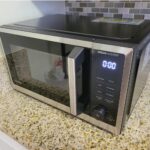
A multi-function cooker combines several cooking methods in one unit, usually including pressure cooking, slow cooking, rice cooking, and steaming. A microwave and convection oven that adds air frying and broiling saves counter space if you already need both functions.
I like this approach in kitchens where a single appliance can replace three or four others, especially in apartments or vacation homes where storage is tight. These units do many things adequately but rarely excel at one.
2. Sous Vide Cooker

Sous vide uses an immersion circulator to hold water at a precise temperature while vacuum-sealed food cooks slowly inside.
The method is most useful for proteins like steak, chicken breast, or fish, where a few degrees can make the difference between tender and dry.
I see this setup work best for people who cook the same protein regularly and want repeatable results without watching the stove.
You do need a vacuum sealer or reliable zipper bags, and the cooking time is measured in hours, not minutes.
3. Matte Metal Steam Cooker

A steam cooker is built around even, controlled heat and moisture, which keeps rice, vegetables, and certain grains from drying out or sticking. A Vermicular-style design seals the lid tightly and holds temperature steady without venting.
I’ve found these cookers particularly good for sticky or short-grain rice, where texture matters more than speed. They take up less space than a full rice cooker and pressure cooker combined.
4. Pressure Cooker

An electric pressure cooker speeds up braising, stewing, and bean cooking by raising the boiling point of water under pressure.
The Pressure King Pro includes preset buttons for common dishes, which helps if you’re new to pressure cooking and don’t yet know timing by feel.
I recommend this type when you cook dried beans, tough cuts of meat, or soups regularly and want them done faster. The downside is that you can’t check progress mid-cook without releasing pressure and starting over.
5. Rice Cooker

A rice cooker holds rice at the right temperature and moisture level from start to finish, which is harder to manage on a stovetop than most people expect.
Small household models handle a few cups of cooked rice, while commercial versions can cook larger batches.
I use a rice cooker anytime rice is a daily staple, because it frees up a burner and doesn’t require timing. If you only make rice once a week, a pot works fine and costs nothing extra.
6. Slow Cooker

A slow cooker holds food at a low, steady temperature for 4 to 8 hours, which breaks down tough meat and develops flavor without any attention after you load it.
Slow cookers perform best with meat stews: brisket, pork shoulder, short ribs, chili.
I rely on this method when I’m gone all day and want dinner ready when I walk in. The cost is time; if you need food in under 2 hours, a pressure cooker is faster.
7. Portable Electric Cooking Pot

A portable electric cooking pot plugs in anywhere and cooks a single serving directly in the pot, which doubles as the bowl.
Most are sized for instant noodles, eggs, or a small stir-fry, and the compact design means you can use one in a dorm, office, or hotel room where a full kitchen isn’t available.
The advantage is portability and speed. Capacity is the limit here: you’re cooking for one person, and anything larger needs a different pot.
8. Electric Cooking Pot

An electric cooking pot heats food in a single vessel without a stovetop, which works well for small kitchens or outdoor setups where you don’t have gas.
The pot is typically deeper than a skillet, so it handles soups, rice, and proteins like chicken that need even heat and moisture.
I find this type useful when counter space is limited and you want one appliance that can brown, simmer, and hold temperature. If you already have a multi-function cooker, the overlap is high.
9. Countertop Toaster Oven

A countertop toaster oven handles toast, reheating, and small-batch baking without turning on a full oven.
Most include adjustable temperature control and a timer, and the compact size means it heats faster and uses less energy than a standard oven. I use this setup for single servings or when the oven is already full.
The glass door lets you monitor browning without opening it. If you bake or roast frequently, the capacity becomes limiting.
10. Electric Egg Cooker

An electric egg cooker steams eggs to soft, medium, or hard without watching a pot.
You add water to a measured line, place the eggs in the tray, and the unit shuts off when they’re done. This method is faster and more consistent than boiling, especially if you cook eggs several times a week.
The downside is that it only does one thing, so it makes sense when eggs are a regular part of your routine and counter space isn’t already tight.
Frequently Asked Questions
How much is an electric pressure cooker?
Basic models cost less than units with preset buttons and larger capacity.
The price depends on size, features, and build quality. A pressure cooker pays for itself if dried beans, tough cuts, or soups turn up in your regular rotation.
What is the price of an electric cooker?
Portable single-serving models cost less than units that combine pressure cooking, slow cooking, rice cooking, and steaming in one appliance.
Countertop toaster ovens and rice cookers sit at different price points depending on capacity and features. The right price depends on which functions you actually use and how often.