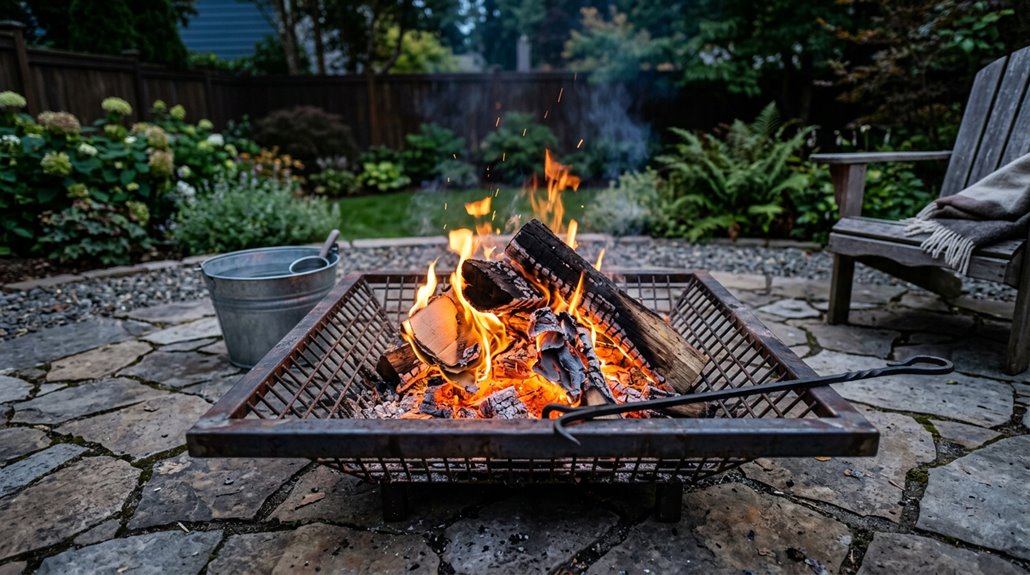
I’ve burned cardboard before. It’s not worth it. You’ll get toxic fumes from the inks and coatings, crazy unpredictable flare-ups, and your fire pit takes a beating from the intense heat. If you absolutely must burn cardboard, strip off the tape and labels first, use seasoned hardwood as your base, keep batches tiny, and never leave it unattended. Stick with hardwood instead. If you want the real details on what actually happens when cardboard ignites, continue reading.
Can You Safely Burn Cardboard in a Fire Pit?
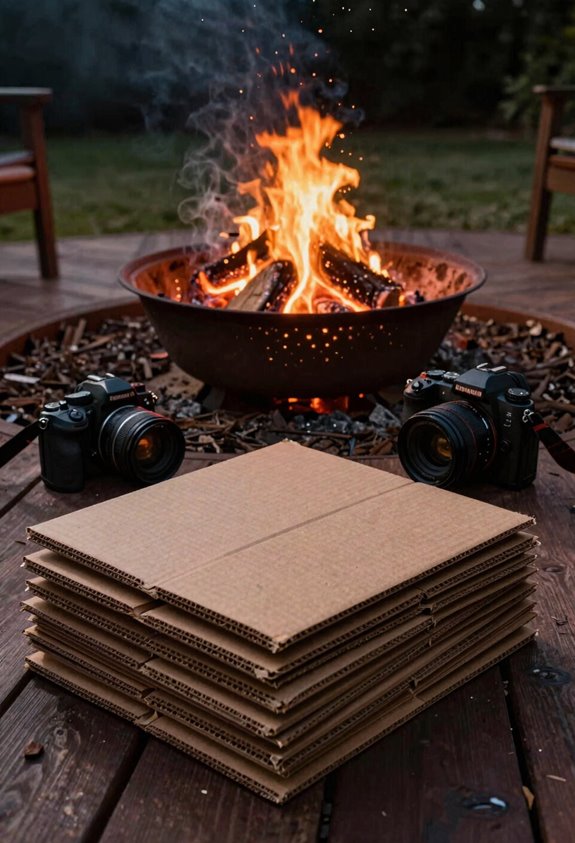
Why do so many of us automatically toss cardboard boxes into the fire pit without thinking twice. I understand the appeal; they’re right there, and burning them seems convenient. However, it’s actually risky business. Modern cardboard contains inks, waxes, and coatings that release toxic fumes when heated, which isn’t great for anyone breathing nearby. Cardboard ignites too fast and burns unpredictably, creating dangerous flare-ups and floating embers that can damage your chimney. Incomplete burning creates creosote buildup, which is a flammable residue that accumulates inside chimneys and increases fire pit safety concerns significantly. Seasoned firewood is the safer alternative. Using proper firewood prevents toxic fume exposure, reduces chimney damage risk, and minimizes creosote accumulation.

Premium Quality Firewood: Our kiln-dried firewood logs are perfect for any use, whether you need oak firewood, birch firewood, or cherry firewood. Delivered straight to your door, these logs are ideal for fireplaces, fire pits, and wood stoves.

Perfect: Mini splits Measure 7 to 8 inches long and 1 to 2 inches wide. Consistent wood splits ideal for cooking, grilling, or smoking in any appliance that accepts small split 8 inch wood.

Premium Mini Firewood: Elevate your outdoor experience with our meticulously designed mini firewood made from natural premium pine. Each box, weighing 2 pounds, ensures convenience for indoor storage and outdoor adventures. Our kiln-dried process maintains a moisture content of less than 6%, guaranteeing bark-free, clean-burning, and longer-lasting fires.
Why Burning Cardboard Releases Toxic Fumes
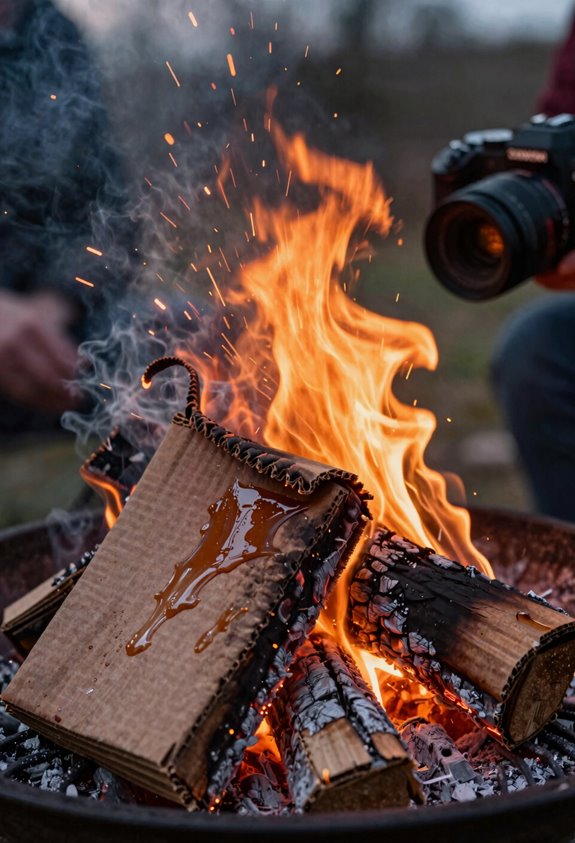
When you toss a cardboard box into your fire pit, you’re not just burning simple paper. Cardboard contains heavy inks, glues, and waxes that transform into acrid smoke and toxic emissions when heated. Those inks often contain heavy metals and plastic coatings that combust into hazardous compounds. Cardboard fumes produce fine particulate matter, basically tiny particles that linger in the air long after your fire dies down. These particles irritate your lungs and degrade air quality for everyone nearby. Even quick, small burns create problems. Since cardboard often contains recycled content with unknown chemical additives, you can never be certain what chemicals you’re actually burning.

Fireplace Safety: The Creosote Buster Fire log contains a specially formulated powder that when heated converts to a super penetrating gas to attack and breaks down creosote compounds in your chimney to remove dangerous creosote and help prevent chimney fires

REDUCES CREOSOTE BUILDUP: Actively dries out and neutralizes dangerous creosote and tar deposits in your chimney to prevent chimney fires. Trusted to protect chimneys for over 25 years.

Creosote remover penetrates the sticky, tar-like creosote and turns it into a loose, powdery, non-adhering ash that can easily be brushed away.
Specific Chemicals Released When Cardboard Burns
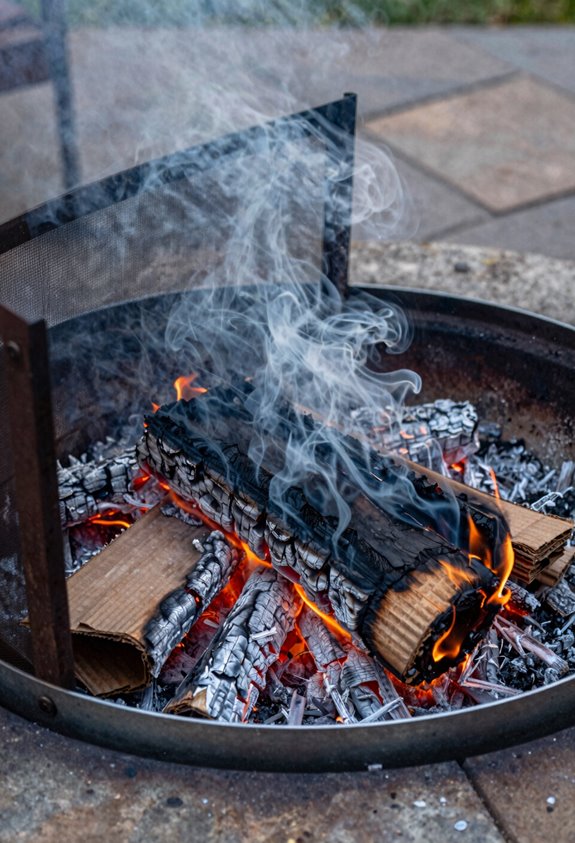
So cardboard burning releases a range of toxic fumes. Here’s what you’re dealing with:
- Volatile organic compounds (VOCs) – these are nasty chemicals that escape as smoke and irritate your lungs
- Formaldehyde – the stuff used in labs, coming straight from your fire pit
- Heavy metals from inks – cardboard colorants contain sketchy material that becomes airborne
- Acrolein and other irritants – these attack your respiratory system
When cardboard fumes hit the air, you’re not just smelling smoke. You’re breathing in a cocktail of chemicals from coatings, adhesives, and bleaching agents. Your lungs notice the difference between clean wood smoke and cardboard smoke.

Enchanting Fire Experience: Instantly take your fire pit from 'Meh' to 'Marvelous' with our fire packets. Drop in a few packets to create vibrant dancing flames that captivate everyone around your campfire or fireplace.

Enhance Outdoor Fire Colors – Designed to turn an average fire into a magical, colorful experience these fire color changing packets emit a range of rainbow colors as the fire burns to make sitting by a campfire more fun and exciting for all ages.
Enhance Outdoor Fire Colors – Designed to turn an average fire into a magical, colorful experience these fire color changing packets emit a range of rainbow colors as the fire burns to make sitting by a campfire more fun and exciting for all ages.
Types of Cardboard You Should Never Burn
Not all cardboard is created equal as far as fire pit burning is concerned. Some cardboard types release toxic fumes that pose serious health risks.
| Cardboard Type | Why You Should Avoid It |
|---|---|
| Glossy coatings | Emits toxic fumes and fine particulates |
| Wax or plastic-coated | Burns with additional plastic pollutants |
| Painted cardboard | Introduces heavy metals into air |
| Recycled with adhesives | Releases unpredictable toxins |
Avoid anything shiny, waxy, or painted. Colored inks should be skipped. Heavy glues release acrid smoke that stings your eyes and lungs. Plain, uncoated corrugated cardboard is your safest option. Burning anything else exposes you to respiratory irritants and toxic particulates that can cause immediate discomfort and long-term health effects.

Versatile Cooking Wood: Suitable for parties, quiet evenings, or cooking for family and friends, this cooking wood enhances any outdoor gathering with authentic smoky flavor

✔ 【PERFECT DESIGN】--We have been carefully designed to expertly split natural premium pine wood into 3.5-inch lengths of mini firewood. Each box weighs 7-8 pounds and 600 cubic inches, making it very convenient for indoor storage and outdoor carry.
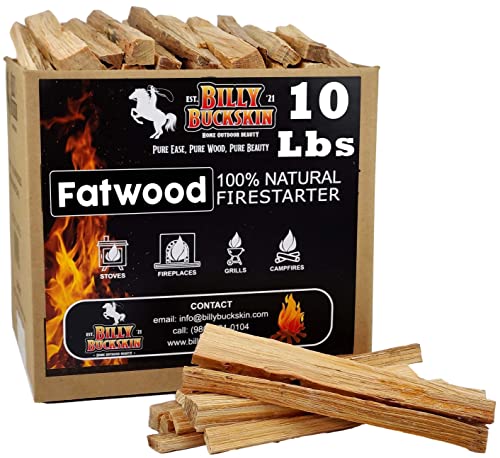
10-POUND BOX OF PREMIUM FATWOOD – Stock up on a generous 10-pound box of high-quality Billy Buckskin fatwood fire starter sticks, the ultimate fire-starting solution for fireplaces, fire pits, wood stoves, campfires, and outdoor grills. Each stick measures approximately 8 inches in length and varies in thickness from 0.3 to 1.25 inches, ensuring quick and reliable ignition. With just 2-3 sticks, you can effortlessly start a strong blaze.
How to Strip and Prepare Cardboard to Reduce Fire Hazards
Before you toss that cardboard into the flames, stripping it down is the most important step you can take to keep things safe and clean-burning. You’ll want to grab a box cutter or tear away any tape, labels, stickers, or staples clinging to the surface, as they’ll release nasty fumes or spark unexpectedly if left on. Then break those big sheets into smaller, manageable pieces so they burn more evenly without creating unpredictable flare-ups. Preparing cardboard in advance reduces dangerous combustion irregularities and makes the burning process more controlled.
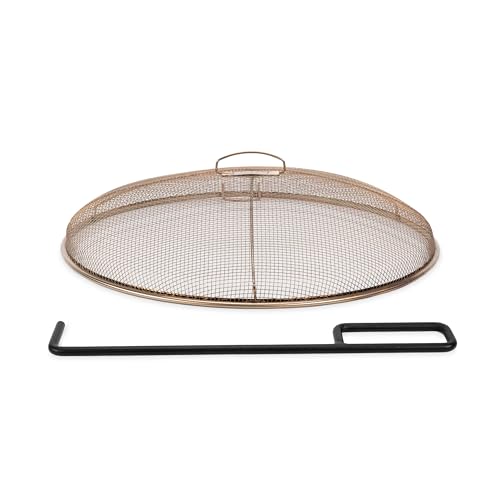
FIRE PIT SCREEN: Upgrade your TIKI Brand Social, Huddle, or Patio Smokeless Fire Pit with its screen fire pit accessory.

MODERN ARCH TOP DESIGN THAT BLENDS INTO ANY LIVING ROOM: 3 panel arched top silhouette pairs cleanly with gas fireplaces, fireplace tools and grate accessories; the uncluttered mesh look suits modern, minimalist and contemporary home decor; no busy scrollwork to clash with your mantel, frame or surrounding furniture, just a neat backdrop that lets the fire stay the focus

Upgraded Material is More Sturdy: The round fire pit screen cover is made of stainless steel and equipped with 12 support rods, offering excellent heat and corrosion resistance. It is sturdy, durable, and has a long service life; even pressing on the mesh surface will not easily deform it. Furthermore, we have upgraded the high-temperature resistant paint coating to ensure it will not ignite even in intense fire conditions
Remove Tape and Adhesives
Once you’ve gathered your cardboard, it’s time to do some serious cleanup because tape, stickers, and sticky residue are basically little chemical bombs waiting to explode into toxic fumes when they hit the flames. Here’s what to do to strip everything away:
- Peel off all visible tape, whether it’s clear packing tape or duct tape
- Scrape away sticker residue using your fingernail or a plastic scraper
- Remove glossy labels and any waxy coatings that’ll smoke like crazy
- Check corners and seams where adhesives love to hide
This cardboard preparation takes maybe five minutes per box, but it’s absolutely worth it for your burning safety. You’re basically removing anything that’ll make your fire hiss, pop, or smell like a chemical factory. Adhesives removal prevents unwanted chemical fumes and smoke from entering the air around your fire pit.
Break Down Cardboard Sheets
Now that you’ve stripped away all the tape and labels, it’s time to break down those big cardboard sheets into smaller pieces.
Smaller, flat pieces burn more predictably. You’re aiming for calmer, slower burning that won’t surprise you with wild flames shooting everywhere. Break everything down into manageable sizes (think roughly shoebox-sized or smaller), which improves your burn safety significantly.
Flattening those pieces matters too. Lay them out, step on them, crease them however you need to. Flat cardboard stacks nicely in your fire pit and burns more evenly than crumpled wads. This preparation step determines whether you get a controlled fire or one that becomes difficult to manage.
How to Burn Cardboard in Small, Controlled Batches
Tear or cut your cardboard into smaller chunks, roughly hand-sized or smaller. Large sheets burn too quickly and create an intense flare that’s difficult to control. Start by feeding just a few thin pieces into your fire pit, then watch how quickly they catch and burn. Adjust how much you add based on whether the flames are getting intense or staying manageable. Once you understand the rhythm of how fast your specific cardboard ignites, how long it takes to turn to ash, and whether it’s throwing off significant heat or staying moderate, you’ll be able to dial in the perfect batch size for a smooth, predictable burn.

Premium Quality Firewood: Our kiln-dried firewood logs are perfect for any use, whether you need oak firewood, birch firewood, or cherry firewood. Delivered straight to your door, these logs are ideal for fireplaces, fire pits, and wood stoves.

Pennsylvania Mixed Blend – Expertly selected mix of oak, maple, hickory, cherry, walnut, and ash—each chosen for its unique burning qualities. Delivers balanced heat, an efficient burn, and a pleasant aroma.

Multi-Purpose Fire Starting Use: Sourced from high-quality oak to deliver superior heat output and an extended burn time, supporting both indoor heating and outdoor cooking needs.
Sizing Your Cardboard Pieces
How big should your cardboard pieces actually be? Size matters when you’re burning cardboard in your fire pit, and it’s straightforward to get right.
Here’s what works best:
- Break cardboard into loose, hollow strips (think shredded paper vibes)
- Cut pieces small enough to fit in your palm comfortably
- Avoid dense, thick blocks that trap heat inside
- Keep everything roughly fist-sized or smaller
When I started burning cardboard, I’d stuff huge chunks in there and nearly got singed by the explosion of flames. Now I go smaller and feel more in control. Loose, breathable pieces burn faster but stay manageable, giving you that satisfying campfire feeling without the chaos. Smaller pieces reduce the risk of sudden flame surges and make fire maintenance easier.
Monitoring Burn Rate Progress
When it comes to actually burning cardboard in batches, controlling the burn rate is where things get tricky. Cardboard ignites fast and burns hot, which means you’re watching it constantly. Add small pieces gradually rather than dumping them all at once, which keeps your fire pit safety in check. The flames spike quickly, so monitor that burn rate constantly, adjusting as you go. The key is using seasoned hardwood as your base, then introducing cardboard slowly. Watch for those unpredictable flares; they’re your signal to back off. Managing cardboard burning this way keeps everything under control and everyone safe.
What to Burn Instead of Cardboard in Fire Pits
The best fuel for your fire pit isn’t cardboard at all. It’s seasoned firewood, specifically wood that’s been drying for at least six months, not the green wood that will hiss and smoke.
- Seasoned hardwood – burns longer, hotter, and cleaner than cardboard ever could
- Propane or natural gas – clean fuel options if you’ve got a gas-designed pit
- High-quality gas logs – give you that realistic fire look without all the smoke
- Newspaper sparingly – only for starting, never as your main fuel
Cardboard may seem convenient, but burning seasoned hardwood instead prevents excessive smoke and creosote buildup in your chimney. When you use proper fuel, you reduce air quality issues for yourself and nearby residents.

Concentrated formula provides triple the cleaning power of conventional creosote removing products
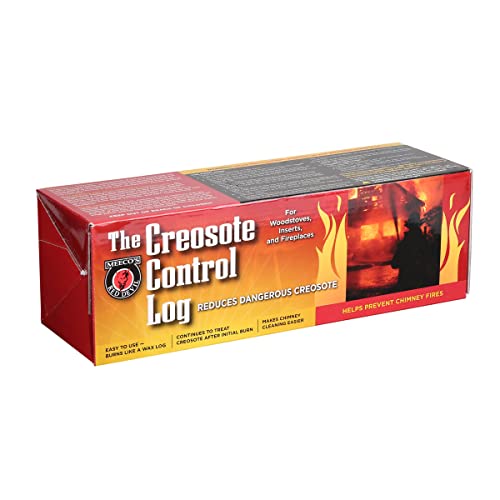
CREOSOTE CONTROL LOG – 3 LB – A simple, effective way to help keep your chimney safer and cleaner with every burn.
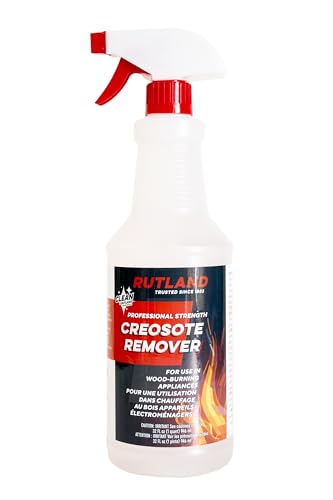
Great for pellet stoves, fireboxes, and spot treatment in your stove.
Fire Pit Safety When Burning Cardboard: Setup, Distance, and Supervision
If you’ve decided to burn cardboard anyway, you’ve got a pile of boxes sitting around that needs disposing. You’re going to need to set things up right to keep yourself and your neighbors safe. First, position your fire pit far from structures, trees, and fences. Keep a good distance between your fire and anything flammable. Keep a water source nearby because cardboard creates unpredictable embers that float upward. Never leave your fire unattended. Watch for toxic fumes rising from inks and coatings, and if you’re feeling lightheaded or smelling something chemical-harsh, step back. Use a spark screen, keep your fire pit small and controlled. Seasoned hardwood remains your safest bet for fire pit safety.

Wow your family and quests with a magical dance of color in your fire. Safe for indoor or outdoor use in any wood fire. No noxious fumes. Perfect for fireplaces and outdoor...
Fire Pit Damage Signs After Burning Cardboard
Burning cardboard in your fire pit might seem harmless, but your pit can actually take serious damage from it, and you won’t always notice right away. I’ve learned this the hard way.
Here’s what you should watch for:
- Warped metal grates and cracked stone from cardboard’s intense, uneven heat
- Particulate matter (that’s basically ash and chemicals) coating your pit’s interior walls
- Discoloration and buildup inside chimneys from creosote accumulation
- Chimney damage including cracks or deteriorating mortar from rapid temperature swings
Cardboard burns too fast and hot for standard fire pits to handle safely. Those toxic fumes leave residue that degrades your equipment over time. Regular inspections catch problems early, saving you money in repairs and replacement costs.

✔ 【PERFECT DESIGN】--We have been carefully designed to expertly split natural premium pine fire sticks wood into 5-inch lengths of small firewood. Each box weighs 4 pounds and 300 cubic inches, making it very convenient for indoor storage and outdoor carry.

100% NATURALLY SCENTED: The smell of our naturally scented fire wood is the perfect fit for the perfect flame

✔【KILN DRIED FIREWOOD】--Our premium pine fire sticks wood is kiln dried to less than 6% moisture content and then cured to a quality that exceeds USDA standards so it produces less smoke, burns cleaner, and generates more heat that lasts longer. Also our low-smoke firewood is free of bark and any chemicals and is carefully crafted to provide the highest quality product for customers.