
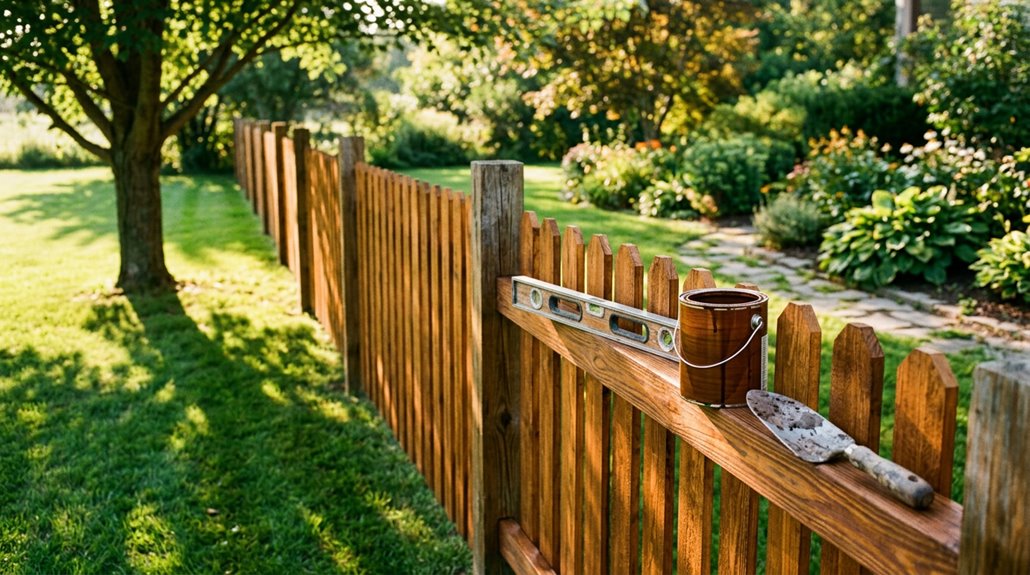
Fence staining costs depend on five key factors: the size of your fence, the condition of the wood since weathered surfaces require extensive preparation, your local climate because humidity and sun exposure affect durability, the quality of stain you select since lower-quality stains fade faster while premium options last longer, and whether you handle the work yourself or hire professionals. Labor costs represent a significant portion of the total expense. These factors interact with one another, directly impacting your overall budget.
Measuring Your Fence: The First Step to Accurate Costs
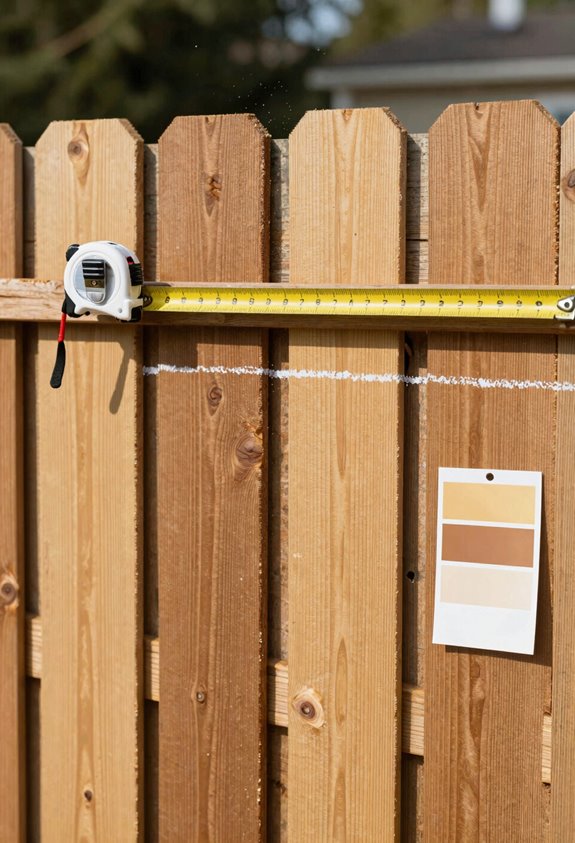
How will you know how much stain you actually need if you don’t measure first? I learned this the hard way. Grab your tape measure and calculate both linear footage (the length along your fence) and total square footage (length times height). For a two-sided fence, multiply that by two. Skipping this step will leave you short mid-project. Most stains cover 150–300 sq ft per gallon, so accurate measurement directly impacts your materials costs and fence staining costs overall. When you account for two coats and prep work, these numbers become even more critical. Getting these measurements right ensures you’ll stay within budget. Without them, you’ll face either frustrating shortages or wasted money.

PRESSURE POT SANDBLASTER – Designed for air compressor powered surface preparation, this 10 gallon sand blaster handles rust removal, paint stripping, and metal cleaning on outdoor frames, machinery, and equipment.


Wood Condition and Prep: Why Starting Point Matters
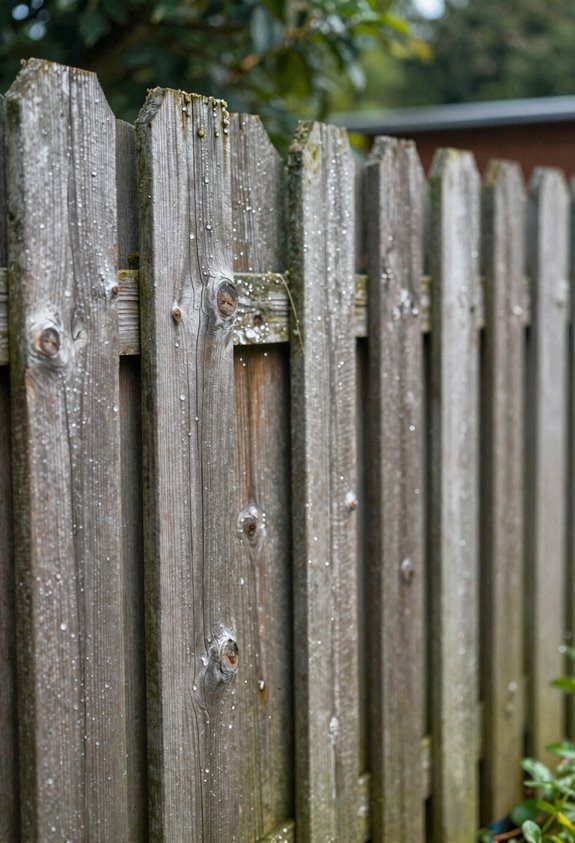
Your fence’s actual condition will make or break your budget.
Prep work is essential. Weathered wood, mildew, or flaky paint will increase your cleaning costs significantly. Power washing alone becomes an extra charge you weren’t expecting. Sanding rough or warped boards requires serious labor time, meaning more money spent on both materials and work hours.
| Condition | Challenge | Cost Impact |
|---|---|---|
| Weathered | Sanding, repairs needed | Higher labor |
| Mildewed | Power washing required | Extra charges |
| Damaged | Board replacement | Significant increase |
Proper preparation quality directly affects stain adhesion and final appearance. Skip thorough cleaning and paint removal, and you’ll face blotchiness plus faster deterioration later. Investing in adequate prep now reduces maintenance expenses and extends the life of your fence.

Outdoor Mold and Mildew Stain Cleaner Helps break down and lift stubborn surface stains caused by mold, mildew, algae and dirt on decks, fences, brick, masonry, siding and stucco.

GET RID OF STUBBORN MOLD AND MILDEW STAINS: Our instant spray cleaner removes the stains left behind from black mold and mildew. They tend to leave behind ugly staining that can go deep below the surface; Our professional-strength spray is specifically formulated to eliminate discoloration caused by mold and mildew
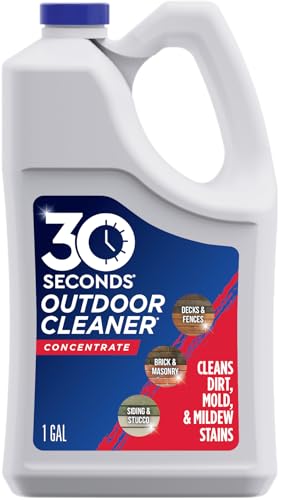
REMOVES STAINS FROM ORGANIC GROWTH ON YOUR OUTDOOR SURFACES: 30 SECONDS Outdoor cleaner cleans stains from mold, mildew, dirt and grime
How Climate and Site Access Shape Your Budget
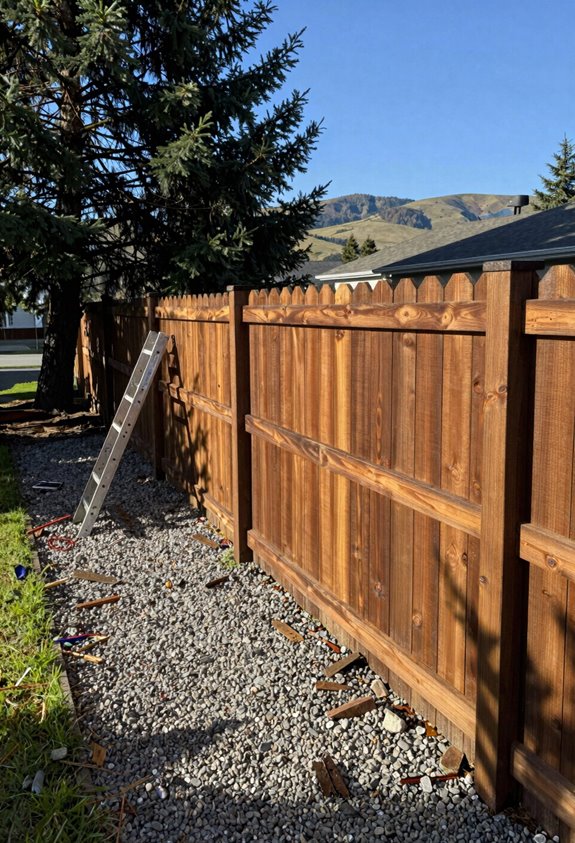
Where you live plays a significant role in what you’ll spend on fence staining. Climate factors like humidity, temperature, and UV exposure directly affect how fast your stain dries and how long it lasts before needing reapplication. Regional conditions also influence weather scheduling; coastal or rainy areas require more robust sealants and mildew prevention, which increases material costs. Site access matters too. If your crew cannot easily reach your fence with equipment because of tight driveways or poor ground clearance, labor costs increase. Understanding your local environment means adjusting wood prep methods and product choices, which shapes your entire budget timeline and expense breakdown.

READY-TO-USE DECK STAIN & SEALER: Olympic WaterGuard woodland cedar semi-transparent wood stain and sealant combines color and waterproofing in one water-based, ready-mix coat.

READY-TO-USE DECK STAIN & SEALER: Olympic WaterGuard acorn brown semi-transparent wood stain and sealant combines color and waterproofing in one water-based, ready-mix coat.
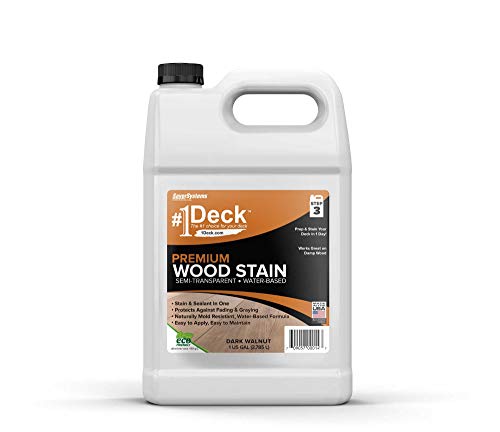
SEMI TRANSPARENT EXTERIOR WOOD STAIN: Our outdoor wood stain and sealer allows the natural wood grain to show through, highlighting the beauty of your decks, fences and sidings and preserving its natural look.
Stain Quality and Type: Balancing Price and Longevity
What you’re really choosing when you pick a stain isn’t just a color. It’s how much money you’ll spend down the road. Stain quality and type matter significantly more than most people initially assume. Water-based stains run $20–$40 per gallon, while oil-based options cost $20–$60, and solid stains provide the best UV protection, though they’re pricier at $30–$50. Semi-transparent stains fall somewhere in between, offering decent durability without breaking the bank. Premium stains require less prep work and stick better, which saves labor costs and application time. Better color retention means longer maintenance intervals between reapplications. You’ll pay more upfront, but you’re actually investing in fewer restains overall. This reduces your total cost of ownership over the wood’s lifespan.
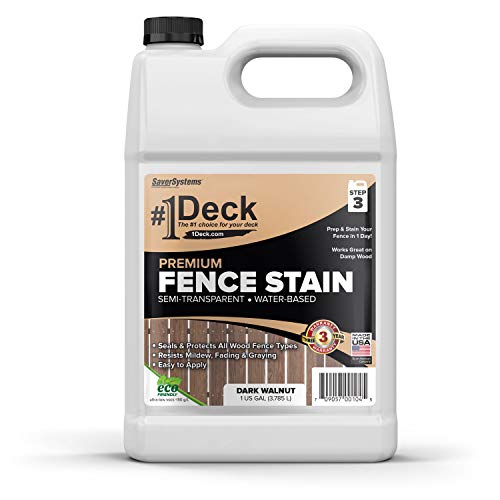
WOOD STAIN AND SEALER IN ONE: This water-based, semi-transparent fence stain and sealer soaks deep into the wood pores; it protects your wood fence from water penetration damage while the natural grain still shows through

IDEAL FOR NEW FENCE PROJECTS: Designed for newly installed outdoor wood fences, this fence sealer penetrates deep into the wood to help preserve its natural appearance while delivering lasting color protection
IDEAL FOR NEW FENCE PROJECTS: Designed for newly installed outdoor wood fences, this fence sealer penetrates deep into the wood to help preserve its natural appearance while delivering lasting color protection
Professional vs. DIY: Where Labor Costs Add Up
Should you grab a brush and tackle this yourself, or call in the pros? The point where labor costs significantly impact your wallet.
DIY staining sounds cheap upfront. You’re looking at maybe $50–$150 for materials. The critical part: prep costs (cleaning and sanding) consume substantial time. Professionals charge $0.10–$0.30 per square foot for cleaning alone, plus $0.50–$2.00 for sanding. This is where labor costs increase dramatically.
| Cost Factor | DIY | Professional |
|---|---|---|
| Materials | $50–$150 | Included |
| Labor Rate | Your time | $0.35–$0.55/sq ft |
| Cleaning Cost | Time-intensive | $0.10–$0.30/sq ft |
| Sanding Cost | Time-intensive | $0.50–$2.00/sq ft |
| Total Project Cost | Variable | $1,400–$2,200 |
Professionals finish faster with specialized equipment, eliminating your time investment. Your wood fence deserves quality work. The staining price difference typically saves 15–20 hours of labor compared to DIY completion.

COMPACT YET POWERFUL - Our 5-inch deck stain brush is specifically designed for detailed applications on wood and fences. Its precision bristles make it the perfect choice for achieving flawless results in tight spaces, ensuring your deck staining projects shine.

Ultimate Deck Stain brush Kit: Comes with 7" deck stain brush with long handle, 3" small paint brush. Together they are perfect for various staining projects, big or small. Large deck stain brush features with 6" width for expansive and even application, long handle for fast, efficient coverage of exterior decking
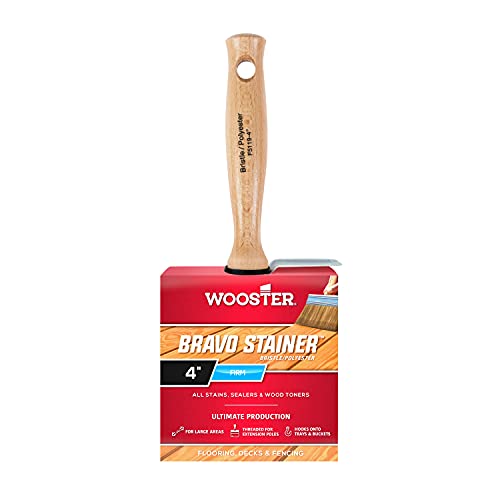
Excellent for all interior or exterior stains, sealers and wood toners (water-based and oil-based)