
The room decides this choice more than taste does: a tight nook suits a Round Table, a Small Bar and Bistro Table or a Pedestal-base Table, a narrow wall suits a Small Rectangular Table, and a kitchen with space to spare can handle a Counter-height or Bar-height Table.
Prices cover a lot of ground here, from the Yaheetech Table Set that comes with its own stools up to a Solid Wood Table that earns its cost over years of daily use.
1. Round Table

A round table is the shape I reach for when a corner needs to seat people without eating the floor.
Everyone sits facing everyone, which makes coffee for 2 feel less like a transaction.
A pedestal base keeps knees free, so it works well with a bench. Hanging lights low over the center, as in this nook, anchors the table visually.
2. Small Rectangular Table
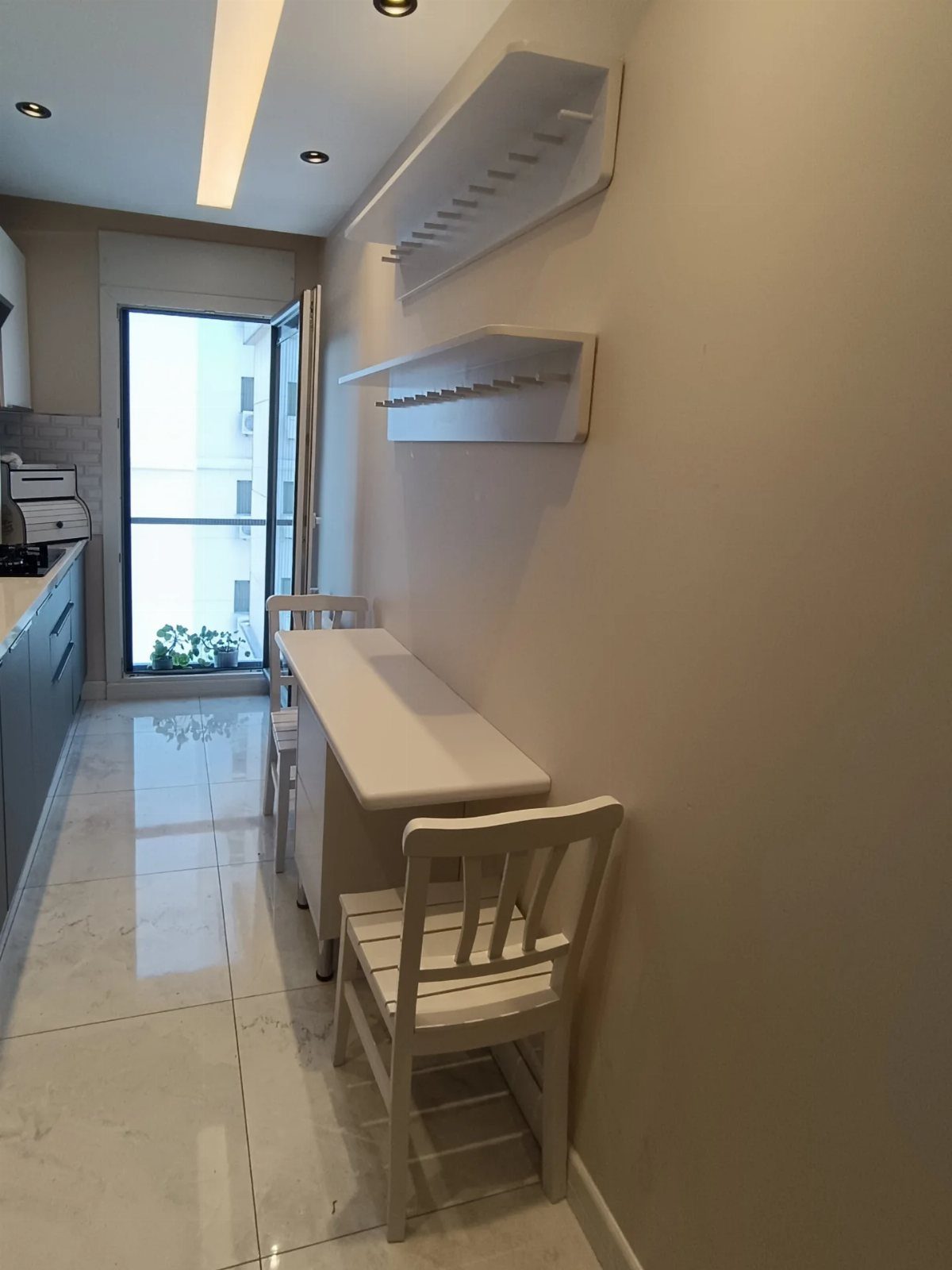
Narrow and long, a small rectangular table pushed against a wall is the most space-honest option for a tight kitchen.
2 chairs on the open side leave the wall side clear, and the table reads as a slim ledge rather than a piece of furniture taking over the room.
I like it in white, as here, because a pale table against a pale wall nearly disappears. The limit is seating, and any extra guest means a stool pulled in from somewhere else.
A square table can fit neatly against two walls or pair with a built-in bench. A small rectangular table may work if the nook is narrow and long, but sharp corners can feel tight in a compact kitchen.
— POVISON
3. Counter-height Table

Stools tucked under a counter-height table can slide fully beneath it, so the floor clears the moment breakfast ends. Four of them fit around a modest top, and backless or slim-framed stools keep the whole setup looking light.
Matching the table and stool finishes is optional; I prefer a contrast, like pale wood against black metal, because it keeps the set from looking like a catalog bundle.
A woven rug underneath defines the eating zone in an open room.
Check that the stool seats clear the tabletop edge before you buy.
4. Bar-height Table
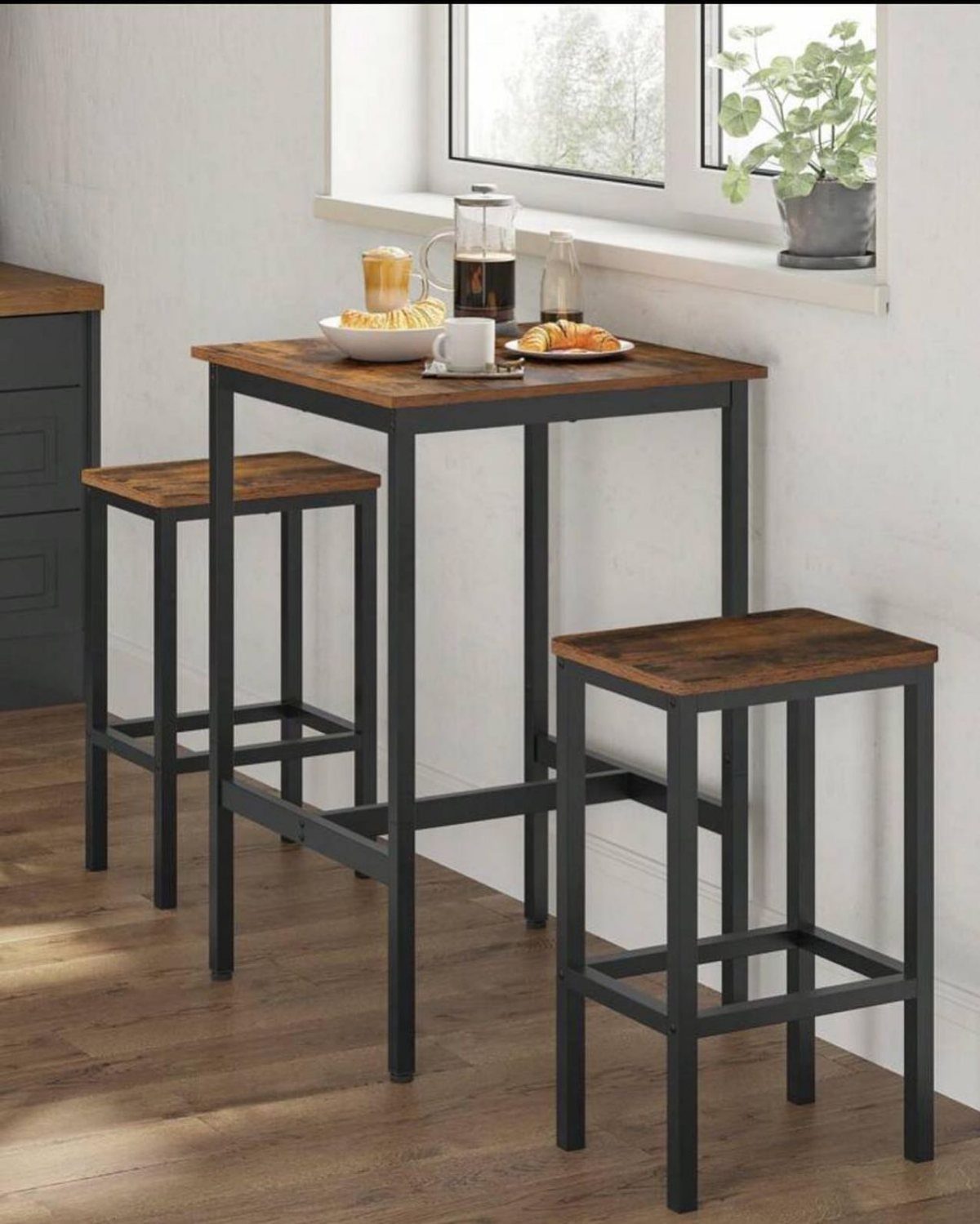
Tall and slim, a bar-height table suits a kitchen that leans modern and needs a spot for coffee, laptop or a quick breakfast.
2 stools are the natural pairing, and a wood top over a black metal frame gives it a clean, graphic look that holds up next to white walls.
An open frame lets light pass through, so a bar-height table takes up less visual space than its height suggests. I would pick this over a standard table when the room is narrow and ceilings are generous.
5. Small Bar and Bistro Tables

A small bistro table is the answer when a kitchen nook is only a few feet across. Round, with a single black pedestal, it sits beside a built-in bench without any legs getting in the way of anyone sliding in.
A marble top is the part I would choose here: it looks substantial in a small footprint and wipes clean after a spill.
Pair it with a bench rather than chairs, and let the wall behind it carry framed art so the nook feels finished instead of squeezed in.
6. Pedestal-base Table

A central column in place of corner legs changes how a table lives: nobody has to straddle a corner post, and chairs can be rotated or shifted to fit an extra guest.
I would choose a pedestal over legs in any small eating area where people come and go.
Keep the base proportional to the top, since an oversized column eats the legroom you bought it for. A jute rug underneath softens the look.
7. Solid Wood Table
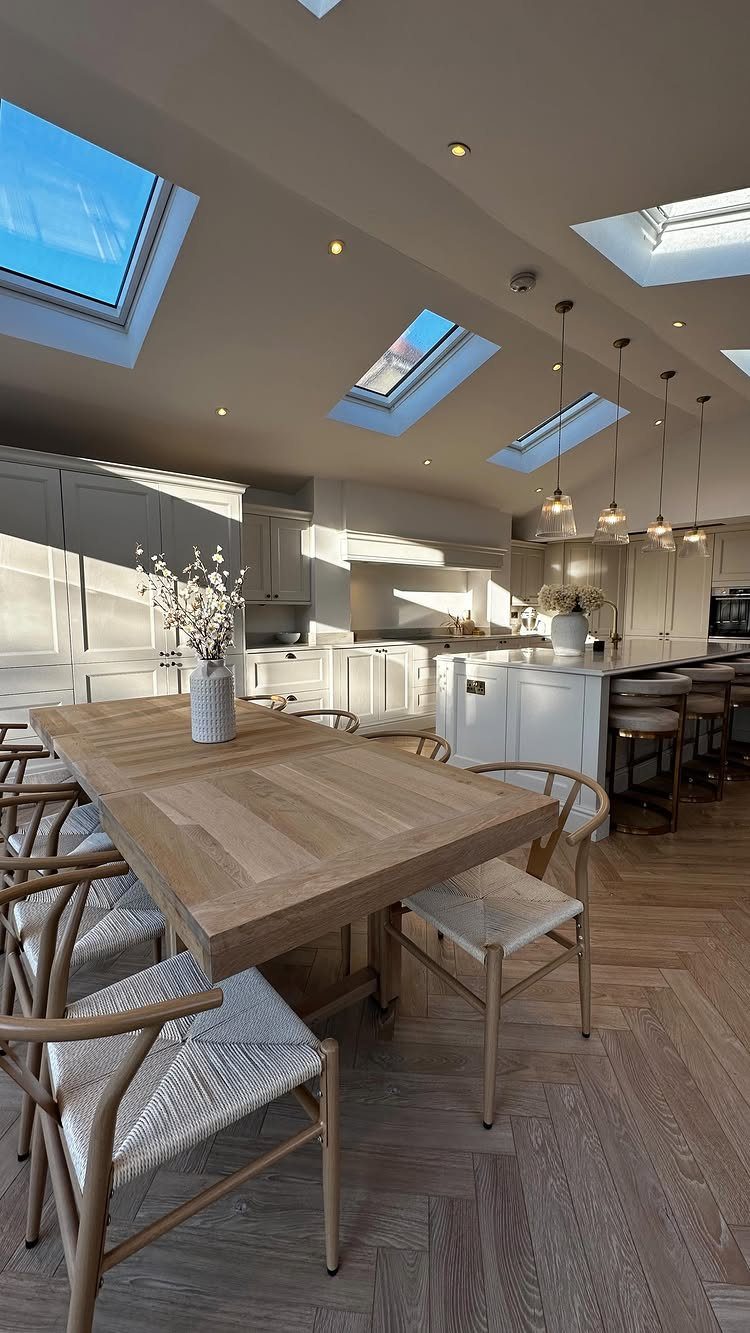
Solid wood is the material I would spend on if the table has to last through years of daily breakfasts. A light finish, like this one, reads warm against white cabinets and keeps a bright kitchen from feeling cold.
Pair it with woven chairs and the grain stays the focus instead of competing with a busy seat. A rectangular top also pushes flush to a wall or island edge when you need the floor back.
Solid wood costs more than veneer or laminate, so I would put the money here and save on the chairs.
8. Mid-century Style

An oval table in white, with curved edges and no corners to catch a hip, is what gives a room that mid-century feel before anything else is added. The shape does the work.
I like a round pendant overhead because it repeats the curve of the tabletop.
Keep the top plain and let the seat fabric carry the pattern; 2 busy surfaces in a small kitchen fight each other.
9. Yaheetech Table Set

A small table sold with 2 matching stools is the lowest-effort way to furnish a tight kitchen, because nothing needs to be coordinated. Yaheetech makes sets like this, and the weathered grey wood finish suits a casual, lived-in kitchen.
Square stools tuck fully under the top, which clears the floor once pancakes and coffee are done. They have no backs, so I would pick this for quick breakfasts rather than long dinners.
Check the stool height against the tabletop before you order.
10. Oval Table with Nook Bench

A built-in bench along the window wall with an oval table in front of it is the arrangement I would copy for a narrow nook. The bench takes one whole side, and two cane-back chairs fill the open side.
White keeps the table light against the bench, and the oval top lets you slide in without bumping a corner. Cane backs are see-through, so the chairs take up less visual space than solid ones would.
A woven pendant above ties the textures together without adding another color.
11. Oval Table with Chairs
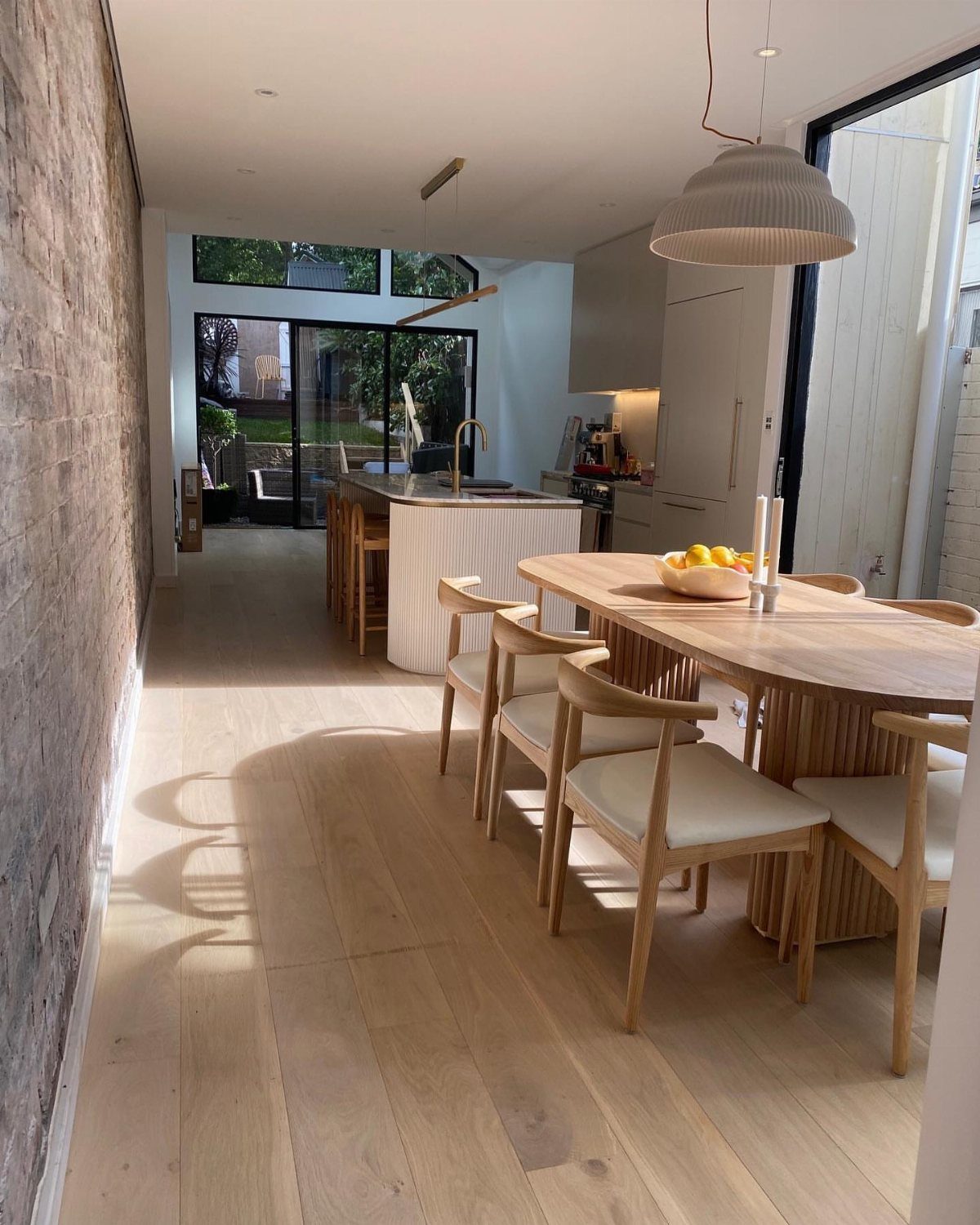
Matching chairs and a light wood oval table make a small dining area look planned rather than assembled. When the wood tones agree, the set reads as one calm block, which helps in a kitchen that also holds an island.
I prefer oval over rectangular here because walkways around it stay open and nobody catches a corner while passing.
Light wood floors and a brick wall behind already supply contrast, so I would keep the table and chairs in the same finish.
Buy the chairs with the table if you can, since matching a wood tone later is hard.
Measure Clearance and Access
Measure the spot before you shop, and mark the table footprint on the floor with painter’s tape. Then set the chairs around it and pull them out the way you would at 7 a.m. with a coffee in hand.
Leave at least 36 inches between the table edge and the wall so a chair can slide back and someone can stand up. Anything tighter and people end up turning sideways to sit.
Open the refrigerator, the pantry door and the patio door while the tape is down.
If any of them hits a chair back or a table corner, shrink the table or turn it, because that daily friction never stops bothering you.
Choose Practical Height and Seating
A tabletop between 28 and 30 inches off the floor suits most kitchens, since it works with ordinary chairs and leaves room for knees.
It works with ordinary dining chairs or a bench, so you can swap seating later without hunting for a specific stool.
Go taller only if you commit to the matching stools. Counter and bar tables each need stools built for that height, and mixing them leaves you either hunched or dangling.
Sit on the stool at the table before you decide.
Your knees should slide under without hitting the tabletop or apron, and your feet should land on a footrest or the floor. A stool that looks right but cramps your legs will end up as a place to drop mail.
Prioritize Easy-care Durability
A breakfast table takes coffee rings, cereal milk, homework and a lot of quick meals, so durability matters more than looks on day one.
Pick a top you can wipe in one pass: sealed wood, laminate or a coated finish all handle spills better than raw, unsealed surfaces.
Test the base before you commit. Push on a corner and rock the table; a stable base stays put under a kid leaning on a worksheet.
For finish, a matte or satin sheen hides scratches and crumbs better than high gloss. Keep a few coasters and a washable placemat nearby, since a finish lasts longer when it doesn’t take every hot mug directly.
Frequently Asked Questions
What Is the Best Dining Table for a Kitchen Breakfast Nook?
A small round or oval table on a single pedestal base suits most nooks, especially with a built-in bench instead of chairs. Without corner legs or sharp corners, people can slide in easily and the walkways stay open.
If the nook is only a few feet across, a small round bistro table works well, and a marble top looks substantial while wiping clean after spills.
Compact square tables and small bar-height tables also work as long as there’s room to sit and move around them.
What Makes a Great Little Breakfast Table?
It fits the space without crowding it, so chairs pull out and people can still walk past. Standard dining chairs pair best with a tabletop 28–30 inches off the floor, which gives your thighs and knees clearance underneath.
Mornings are messy, so I’d pick a sealed or coated surface that wipes clean in a single pass, sitting on a base that stays steady instead of wobbling.