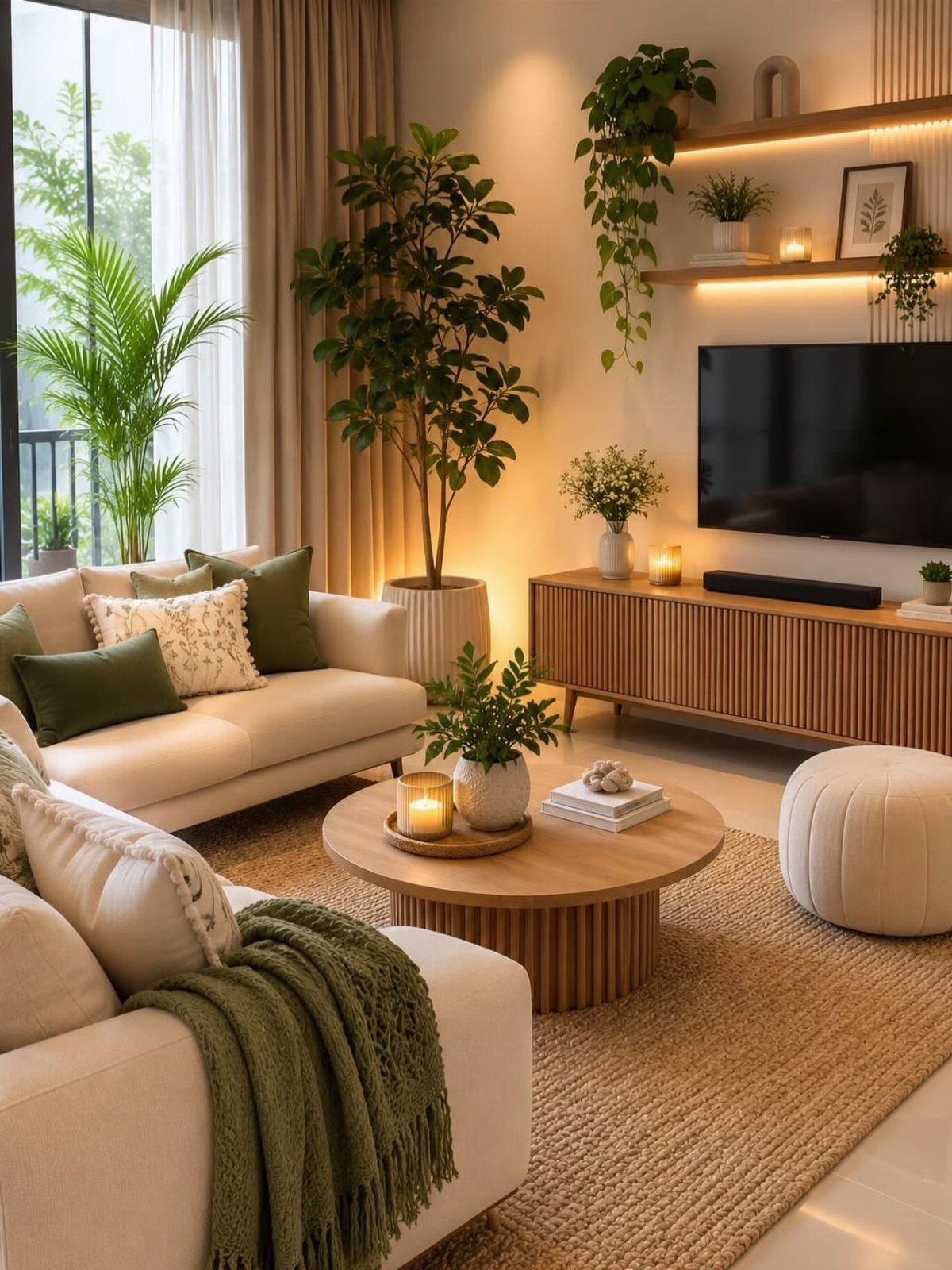
A natural living room pulls from beige walls and terracotta paint, linen upholstery, jute rugs, stone tables, rattan pendants, and indoor plants that sit at different heights across the floor and shelves.
The choice comes down to how much light your space gets and whether you’re working with a rental or a permanent home.
1. Earthy Colors Wall
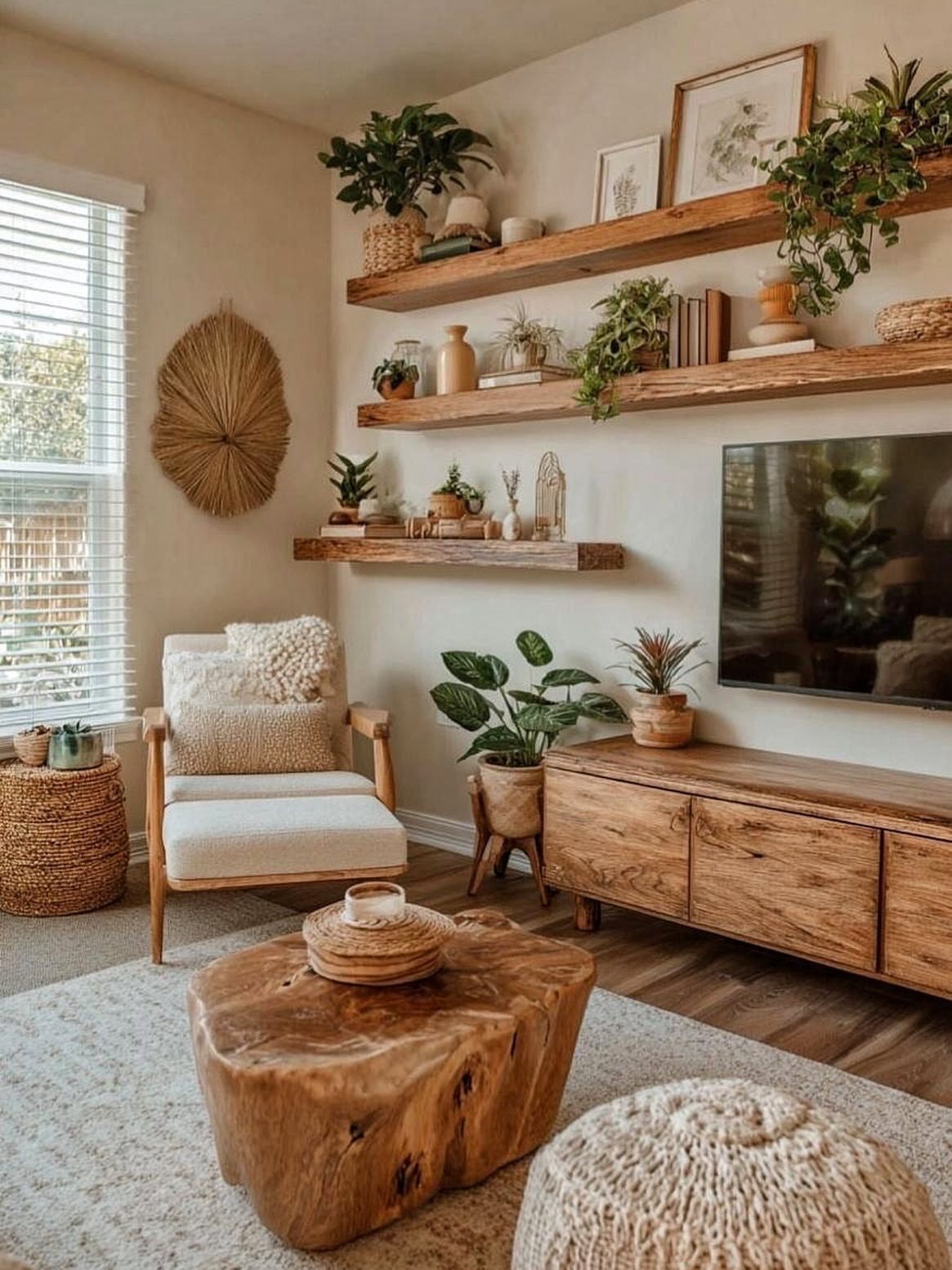
Beige, terracotta, warm taupe, and soft clay tones bring the palette of desert or forest floors indoors without tipping into bright color.
The look works in small living rooms because these shades add warmth while keeping walls calm, so furniture and plants stand out instead of competing with bold paint.
If your room doesn’t get much natural light, go a half-shade warmer than you think. Cool beiges read gray under north-facing windows, but terracotta or ochre stays warm all day.
Pair earthy walls with wood shelving and green plants. The contrast between muted color and live greenery is what makes the room feel grounded instead of flat.
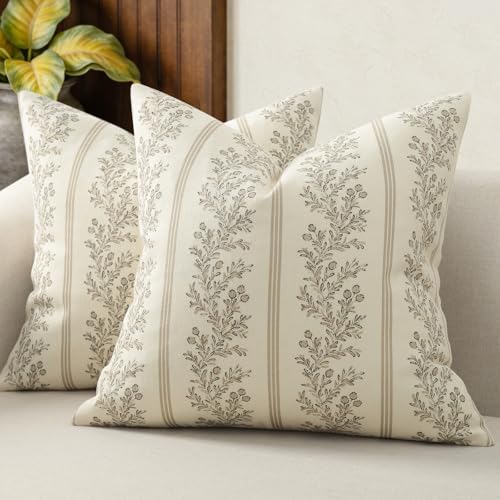
1.【Eco-Friendly Digital Printing】 Crafted with eco-conscious digital printing and soft organic cotton, these decorative pillow covers are as sustainable as they are stunning. Thanks to excellent color fastness, the vibrant patterns resist fading and stay fresh-looking even after many washes. Gentle on the skin and free from irritation — perfect for everyday comfort.

Optimal Softness and Supportive: Our unique blend combines 80% premium feather and down with 20% shredded memory foam. The feather and down provide airy, cloud-like softness, while memory foam adds responsive bounce-back support. You get plush comfort that actually holds its shape - ideal for lounging on the sofa or adding cozy comfort to any seat
2. Neutral Colors
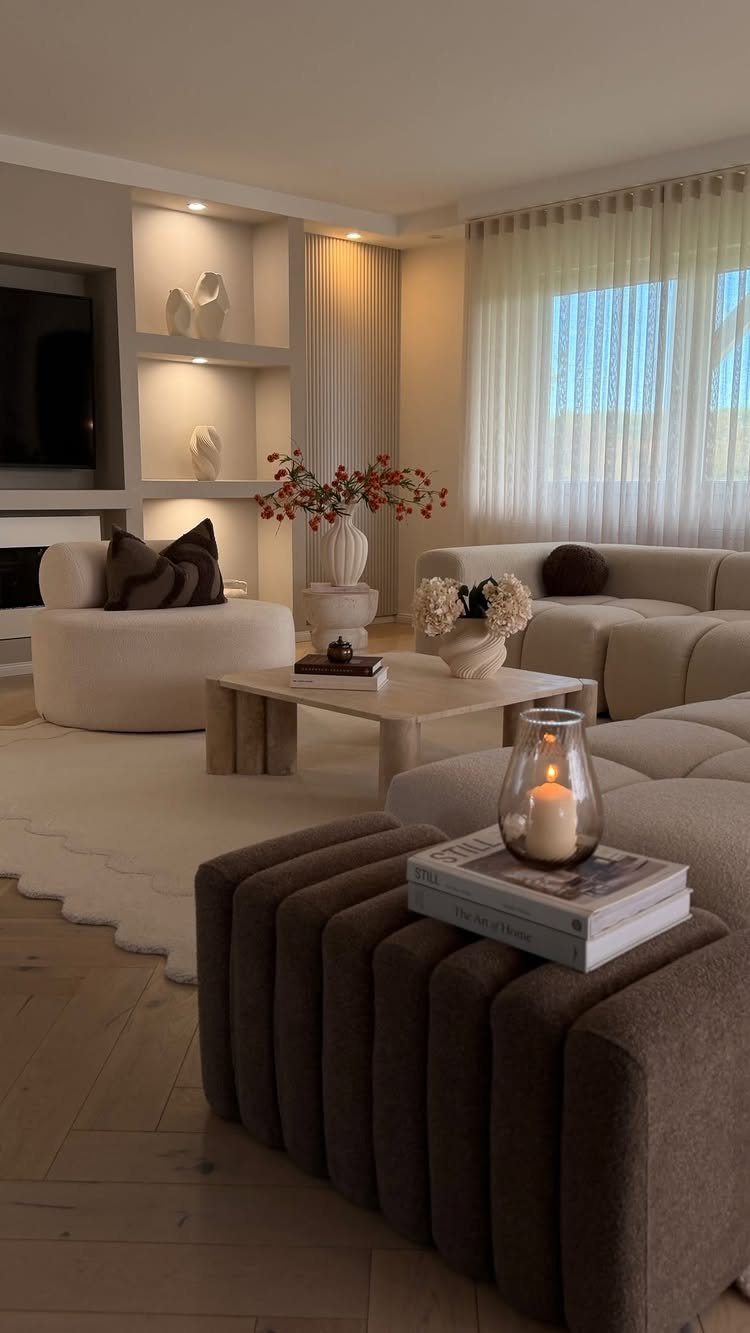
Layering cream, taupe, caramel, and soft brown across upholstery, wood, and textiles gives you a neutral room with actual depth.
The mistake I see constantly is choosing one beige and repeating it everywhere, which flattens the space instead of calming it.
Start with a light sofa, then bring in darker browns through an ottoman, coffee table, or rug. Ribbed or textured fabric helps when colors sit close together, because the surface variation keeps similar tones from blending into one another.
This palette suits renters especially well. Neutral furniture moves between apartments without clashing, and you can shift the mood later by swapping pillows or a throw.

【ZEN SPA WALL DECOR】Transform your space with calming zen wall art, lotus flower canvas prints, Buddha wall decor, meditation wall art, and spa bathroom decor. Perfect for bathroom wall decor, yoga room decor, massage room decor, relaxing bedroom decor, wellness room wall art, and peaceful home decor aesthetics.

Enhance your space with this handcrafted wooden leaf sculpture that elevates bookshelf decor, shelf decor, and home decor living room. A thoughtful gifts for mom idea for Mothers Day or Christmas decorations, adding warmth to mantles, entryways, and tables.

Elegant Drink Coasters: Sharp looking and nice design grey coasters set with holder will lighten your living and kitchen area! Goes well with your marble patterned granite countertops and gray and white decor
3. Natural Materials
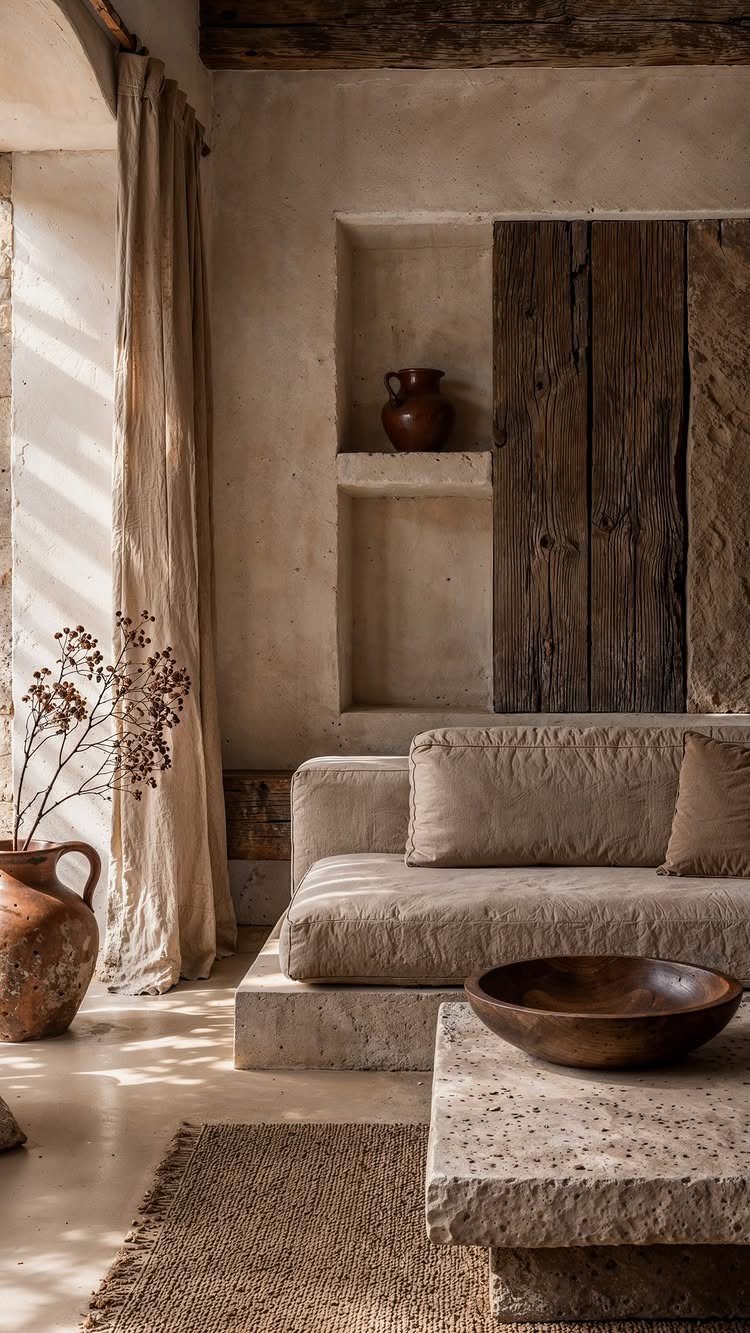
Linen upholstery, stone tables, jute rugs, unglazed clay, and raw wood bring the textures of the outdoors into the room without adding pattern or bright color.
The appeal is tactile. Each material feels different under your hand, and that variety is what makes an all-neutral room interesting instead of bland.
I lean toward stone coffee tables when the sofa is soft and low, because the weight and coolness of the surface balance out fabric and cushions.
Jute rugs work under most furniture arrangements, but they shed for the first few weeks, so vacuum more than usual early on.
If your space is small, keep wood finishes consistent. Mixing light oak, walnut, and weathered pine in one room often looks unplanned rather than layered.
While the organic element of the design style refers to shapes in furniture and decor, it also eludes to the ethos that items don’t need to be perfect, so introducing pieces that feel used and rustic can add interest to your living room scheme.
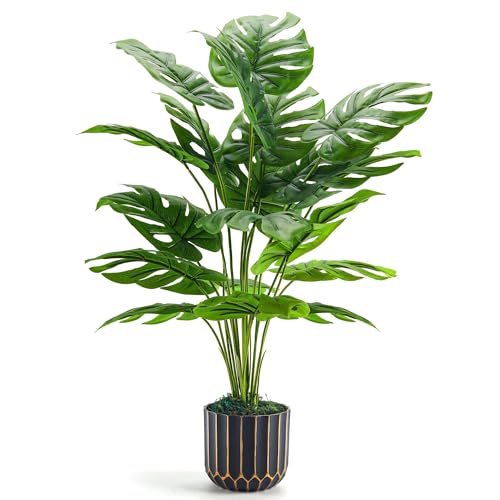
28 inches: Pots are 4.9'' tall, 4.3'' wide, monstera plants are 28'' tall, our faux trees indoor are perfectly proportioned to fit any shelf or desk. Unique black and gold pot design adds premium beauty to your home

Adjustable Width Plant Stand: This Indoor Plant Stand adjustable from 8 to 12 inches in width, which allowing you to place plant pots of different sizes; The adjustable plant stand has 2 height displays, you can switch heights by flipping the stand over
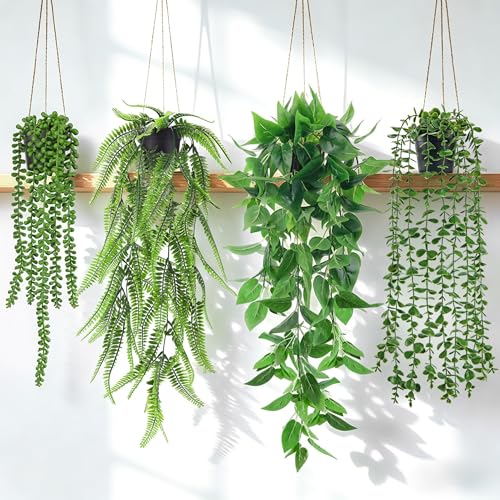
Material: These fake hanging plants decor are made with high quality plastic material, UV-resistant and waterproof for outdoor use, can add a touch of natural beauty to any space
4. Natural Light
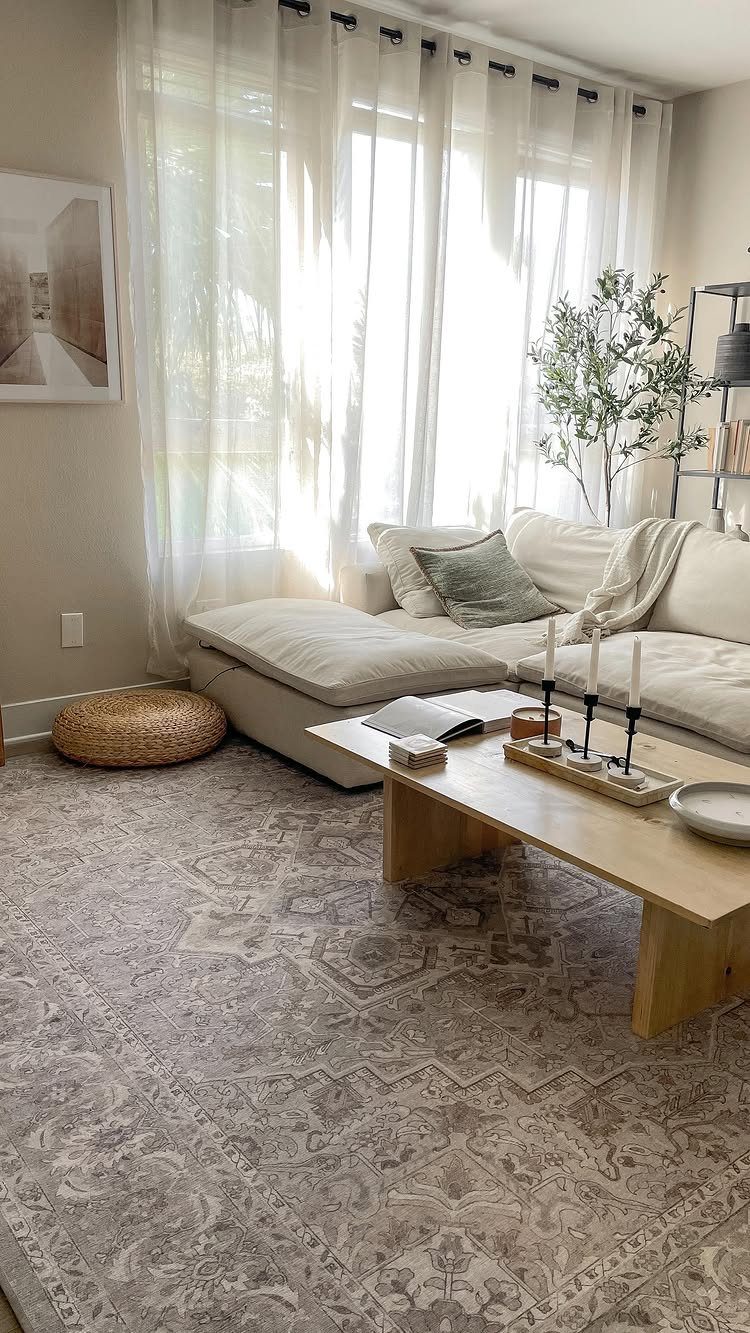
Maximize daylight by keeping window treatments sheer or minimal and placing seating where it catches the most sun during the hours you actually use the room.
Natural light changes how every material looks, and a room designed around it feels open without needing more square footage.
Sheer white curtains filter brightness without blocking it, which matters when your living room shares a wall with a bedroom or hallway that stays dim.
The coffee table here is solid white oak, and light wood like that reflects daylight instead of absorbing it the way darker finishes do.
If your windows face south or west, afternoon glare can wash out the room. A semi-sheer linen or cotton panel cuts the harshness but still lets the light through.

Four Piece Set Sizing: Set contains 4 pieces of 18 x 18 inches square cushion covers. Inserts are NOT included. Perfectly dimensioned for standard decorative pillows.

Material: Made of High quality durable linen blend, comfortable to touch and lay on. Quality fabric, hide your old pillow patterns perfectly. This material does not pilling or shedding, and holding up well after long time of use

【Material: Premium Linen Fabric】Crafted from high-quality natural linen fabric, our throw pillow cover delivers exceptional softness, air permeability and long-lasting durability. The linen material gets softer after every wash, bringing you a cozy natural touch for everyday use.
5. Rattan Pendant
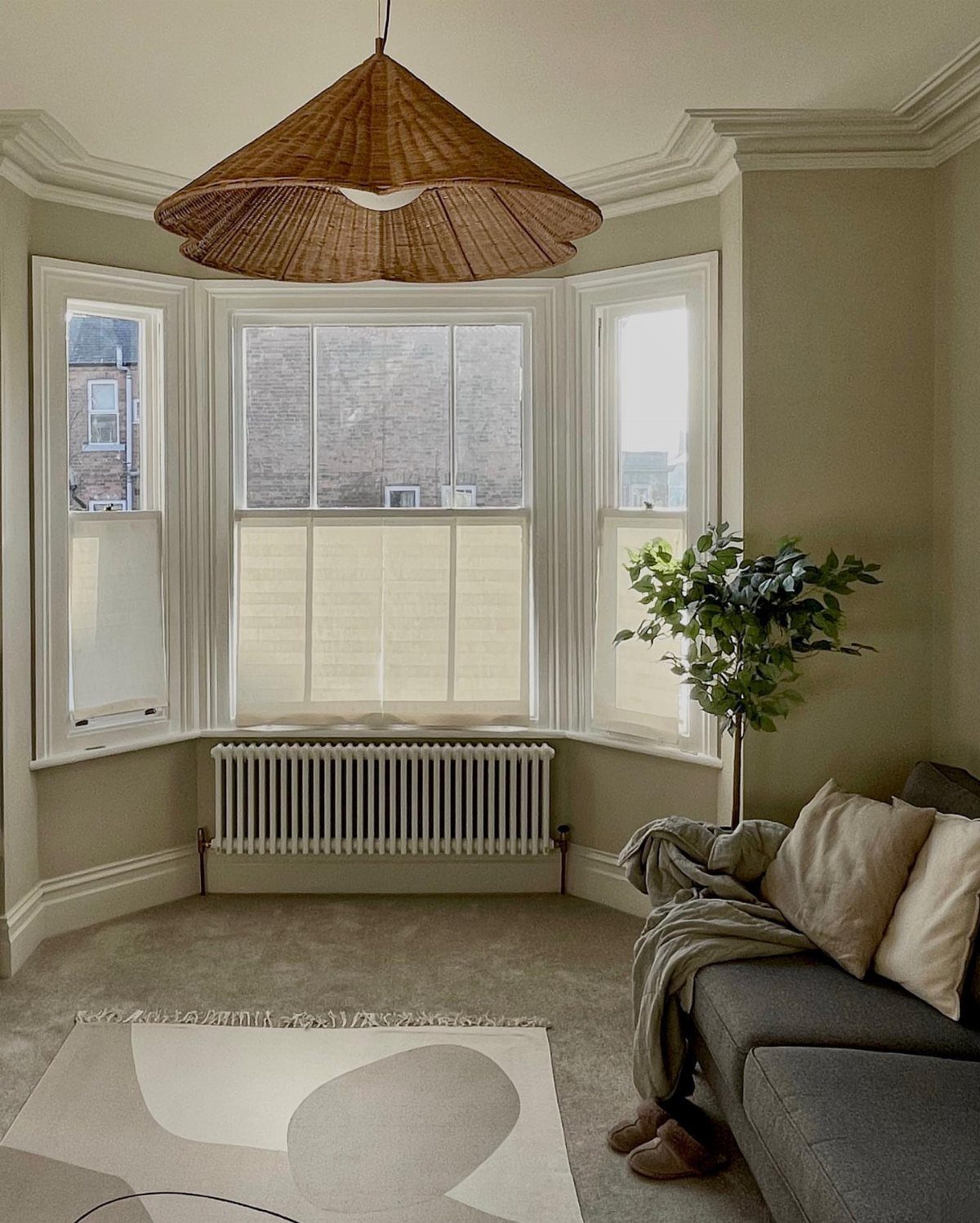
A large rattan pendant adds texture overhead and softens the ceiling line without blocking sightlines the way a heavy fixture does.
Rattan works in rooms with neutral furniture because the woven material brings in natural pattern without adding color or competing with upholstery.
Hang it centered over a seating area or coffee table, not in the middle of the room if that puts it off to one side of the furniture.
The bottom of the shade should clear head height when you stand, so plan for enough clearance that no one walking through the room feels the fixture overhead.
Conical shapes cast light downward, which suits reading or conversation areas better than ambient overhead lighting.

1.【Eco-Friendly Digital Printing】 Crafted with eco-conscious digital printing and soft organic cotton, these decorative pillow covers are as sustainable as they are stunning. Thanks to excellent color fastness, the vibrant patterns resist fading and stay fresh-looking even after many washes. Gentle on the skin and free from irritation — perfect for everyday comfort.

Package Info: 2 pcs pillow covers (NO INSERT).Perfectly fit for the same size pillow insert. Please Note: Hidden zipper is well disguised and stitched in across one side

Soft, Fluffy and Supportive - Our blend of 80% feather and 20% memory foam gives the 22x22 pillow insert a soft, sink-in feel while adding the support it needs to look full and inviting. The feather is RDS and DOWNPASS certified for added peace of mind.
6. Ceramic Bowl

A handmade ceramic bowl with texture or glaze variation brings in natural color and craft without taking up much surface space.
I keep one on a coffee table or shelf as a catchall for keys or as a standalone piece, and the irregular finish makes it read as organic rather than mass-produced.
Unglazed clay or matte finishes work too, but they show water marks if you use the bowl for anything wet.
Display it on wood, stone, or driftwood rather than glass or metal. The pairing matters, and ceramic next to another natural material feels intentional instead of random.

The wooden plaque measures 5.9 ×5.9 x 0.32inches.The base is retro wooden stand, and the plaque is made of natural wood, which has no odor and is not easy to deform and fade

🎃 CUTE & UNIQUE - This rustic coffin tray is the cutest! It is perfect for some added Halloween decorations or goth decor around your home. It will catch the eyes of anyone walking by!

This wooden bowl is made of high quality Mango wood, not easy to break and durable. Wooden Decorative bowls are hand-carved, each one is a unique wooden bowl that brings a unique feel to your home
7. Nature-Inspired Art
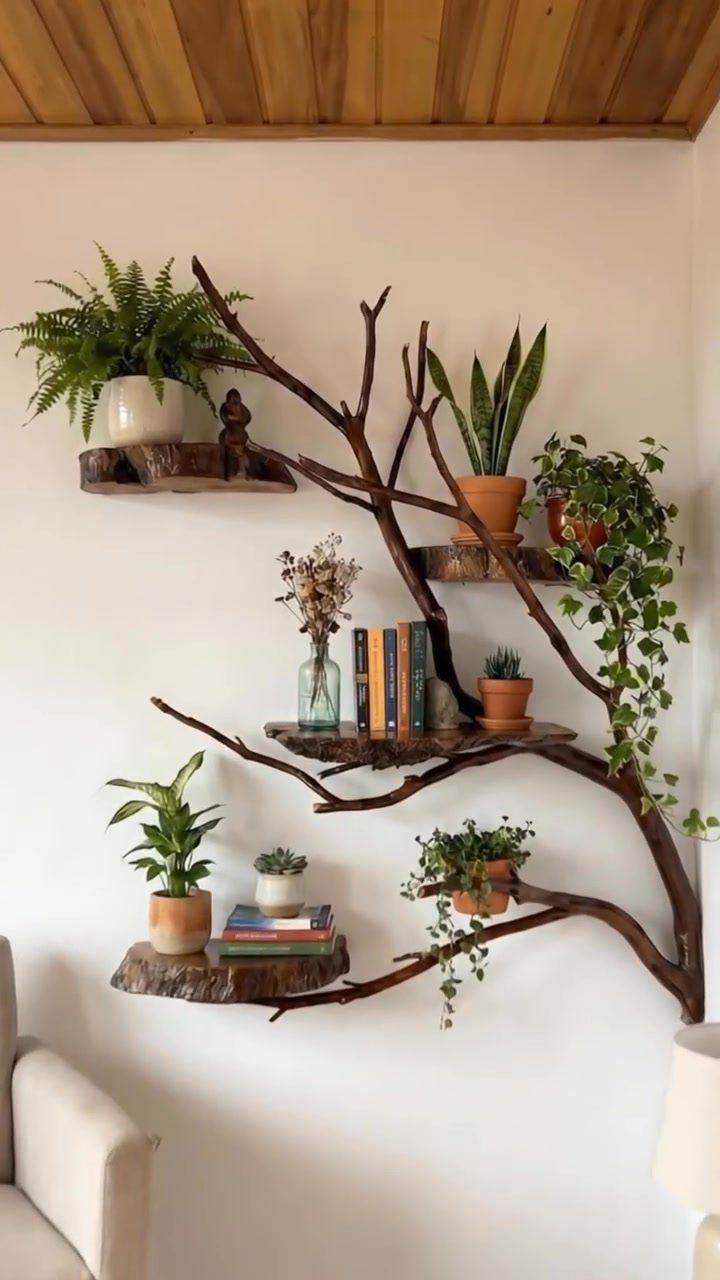
Framed landscapes, pressed botanicals, or abstract pieces that echo natural forms add personality to a neutral room without introducing bright color or busy pattern.
The artwork here uses a branch as functional shelving, which doubles as sculpture and storage in one piece.
If you’re choosing prints or paintings, look for muted greens, browns, or stone tones that tie back to the room’s existing palette.
A large piece anchors a blank wall better than a scattered gallery, especially in small living rooms where too many frames fragment the space.
Hang art at eye level when seated if the main view is from the sofa.

Lifelike and Vibrant - Instantly elevate your home with these 2-Pack fake pothos vines. Each vine stretches 43.3 inches with lifelike multi-green leaves and natural veining. Unlike real plants, our fake plants feature fade-resistant colors and realistic textures that blend seamlessly into any decor style - from modern apartments to rustic farmhouses. Includes realistic butterflies for an extra touch of charm.

【DESIGN】Artificial Flower Plants are well-designed, Composed of 1 flower ball and several flowers, the bottom is proportioned by a number of green leaves. Bright colors and generous style, perfect for the discerning you!

【Content and size】: Includes 1 plastic flower pot, staggered plastic branches, and 18 pieces of artificial monstera leaves. This fake plant measures 28 inches by 22 inches, with the flower pot being 4.9 inches by 4.3 inches. It is made of 100% plastic. The leaves and branches are packaged separately, allowing you to DIY it into the shape you want.
8. Curved Seating
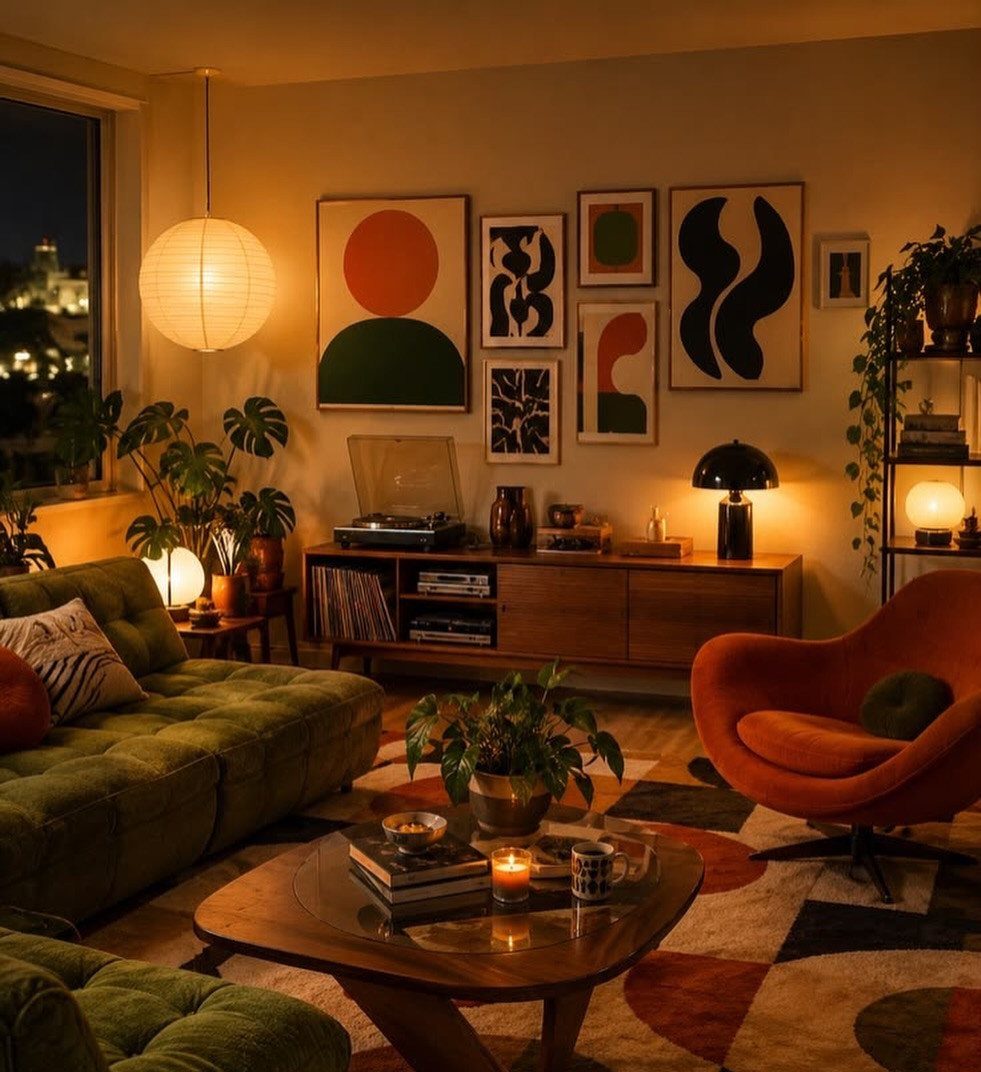
Curved upholstery softens a room full of straight lines and adds visual interest without pattern or color.
The rounded back of an accent chair or a kidney-shaped ottoman breaks up the grid of rectangular sofas, tables, and rugs that most living rooms default to.
Curves work especially well in small spaces because the lack of sharp corners makes furniture feel less blocky. Pair a curved chair with a square coffee table or a straight sofa, so the mix reads intentional rather than matched.
If your room already has a lot going on, one curved piece is enough.

【Material: Premium Linen Fabric】Crafted from high-quality natural linen fabric, our throw pillow cover delivers exceptional softness, air permeability and long-lasting durability. The linen material gets softer after every wash, bringing you a cozy natural touch for everyday use.

Package Contents:Each decorative pillow cover measures 12 x 20 inches(30X50cm), a classic lumbar pillow size that fits most 12x20 inch pillow inserts perfectly. Pillow inserts are not included. Ideal for decorating indoor and outdoor spaces without size mismatch trouble. The tailored design ensures a neat, snug and wrinkle-free look on your pillows, upgrading your room decor in minutes.

Boho-Inspired Design: Featuring a unique bohemian pattern with intricate tufted details, this pillow cover brings a chic and artistic flair to any living space
9. Linen Sofa
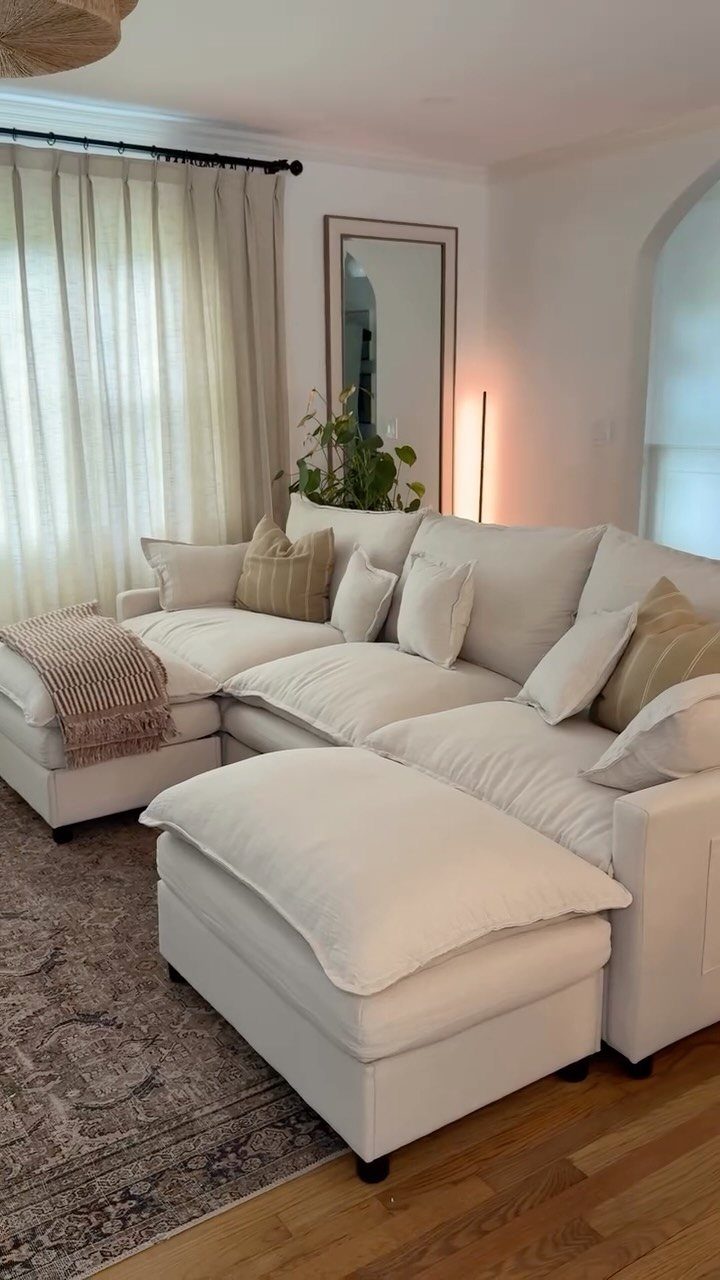
Linen upholstery softens over time and suits rooms where the sofa sees daily use. The fabric wrinkles naturally, so it looks lived-in rather than pristine, which matters if you want a space that feels comfortable instead of formal.
White or cream linen works in bright rooms where sunlight keeps the color from looking dull. In north-facing spaces, go for warmer beiges or light gray instead.
Linen shows spills and dirt faster than performance fabrics, so if you have kids or pets, consider a darker neutral or treat the fabric with a stain repellent before use.

Package Info: 2 pcs pillow covers (NO INSERT).Perfectly fit for the same size pillow insert. Please Note: Hidden zipper is well disguised and stitched in across one side.

Canyon Theory Studio pillow covers are a testament to the art of hand block printing. They are meticulously handcrafted from 100% natural organic linen fabric on front and feature 100% organic cotton duck-canvas fabric on the reverse, sourced directly from India. These 20x20 inch covers are thoughtfully designed with an invisible zipper for a seamless finish.

Soft, Fluffy and Supportive - Our blend of 80% feather and 20% memory foam gives the 20x20 pillow insert a soft, sink-in feel while adding the support it needs to look full and inviting. The feather is RDS and DOWNPASS certified for added peace of mind.
10. Natural Stone Accents
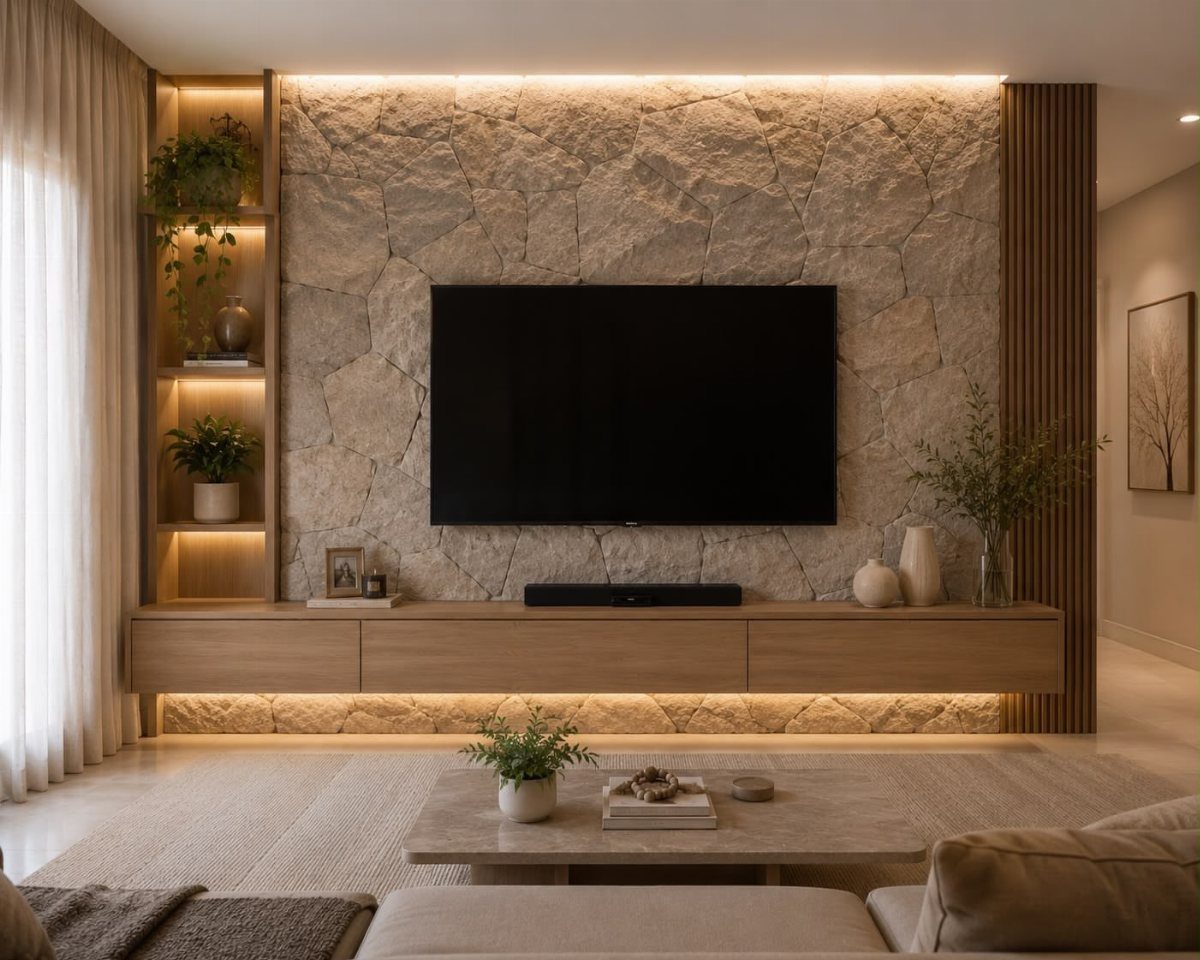
A stone accent wall adds texture and weight to a room without covering every surface. The material reads as permanent and grounded, which suits feature walls behind seating areas, fireplaces, or media units.
Thin veneer panels install right over drywall without tearing anything down. The look works best when the rest of the room stays simple, because stone carries enough visual interest on its own.
Polished stone reflects light and feels cooler. Stacked or split-face finishes add more texture and suit rooms with matte or natural materials elsewhere.
11. Monochromatic Scandinavian Furniture
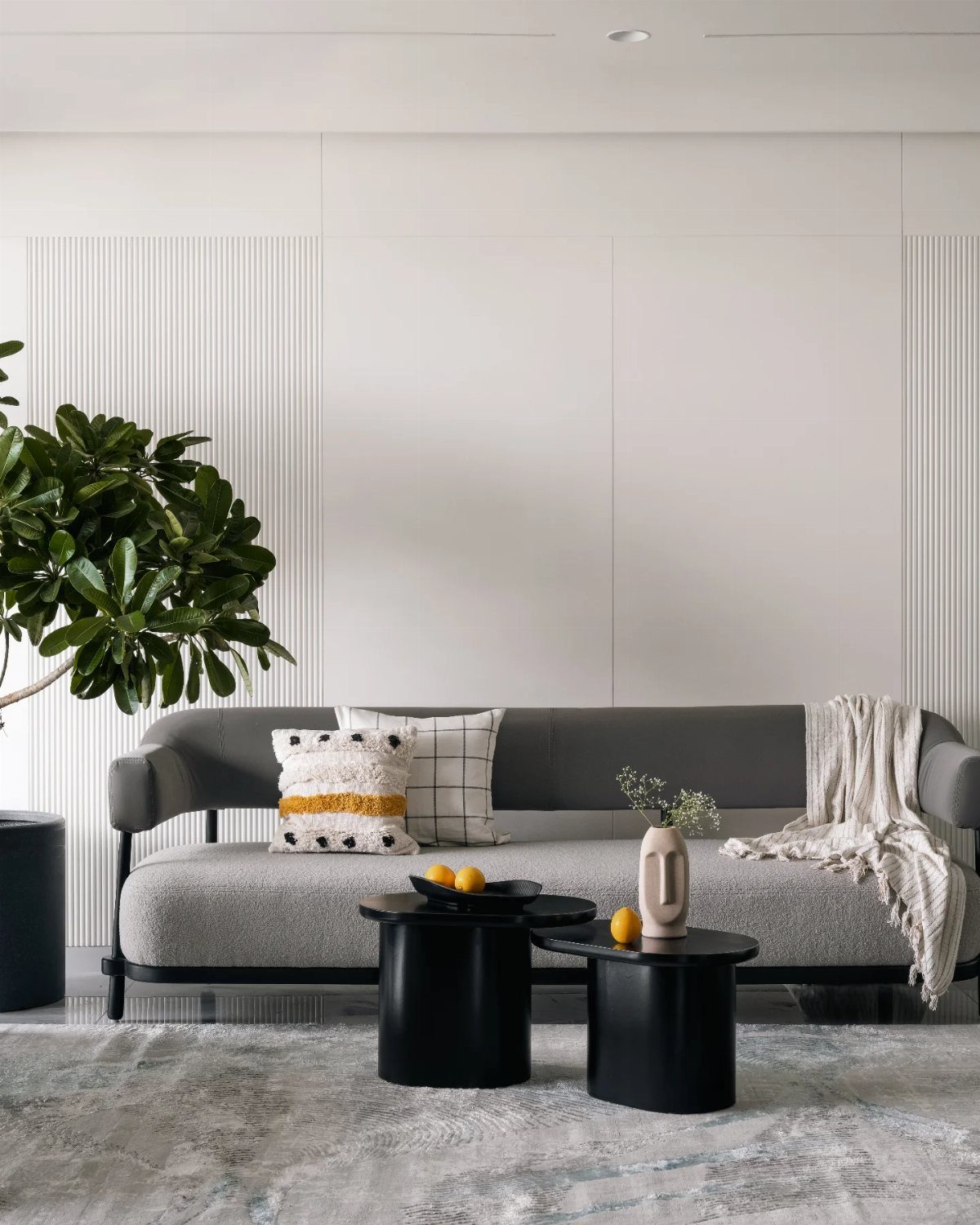
Stick to one neutral color family across all upholstery and wood pieces, then let shape and texture do the work.
Gray tones with black accents keep the room calm and cohesive, and the simplicity suits small spaces where too many colors shrink the room visually.
Low-profile furniture in this style works best in apartments with limited floor space, because the horizontal lines keep sightlines open. Add one or two green plants for contrast, so the room doesn’t feel flat.
12. Scalloped Wicker Ottoman
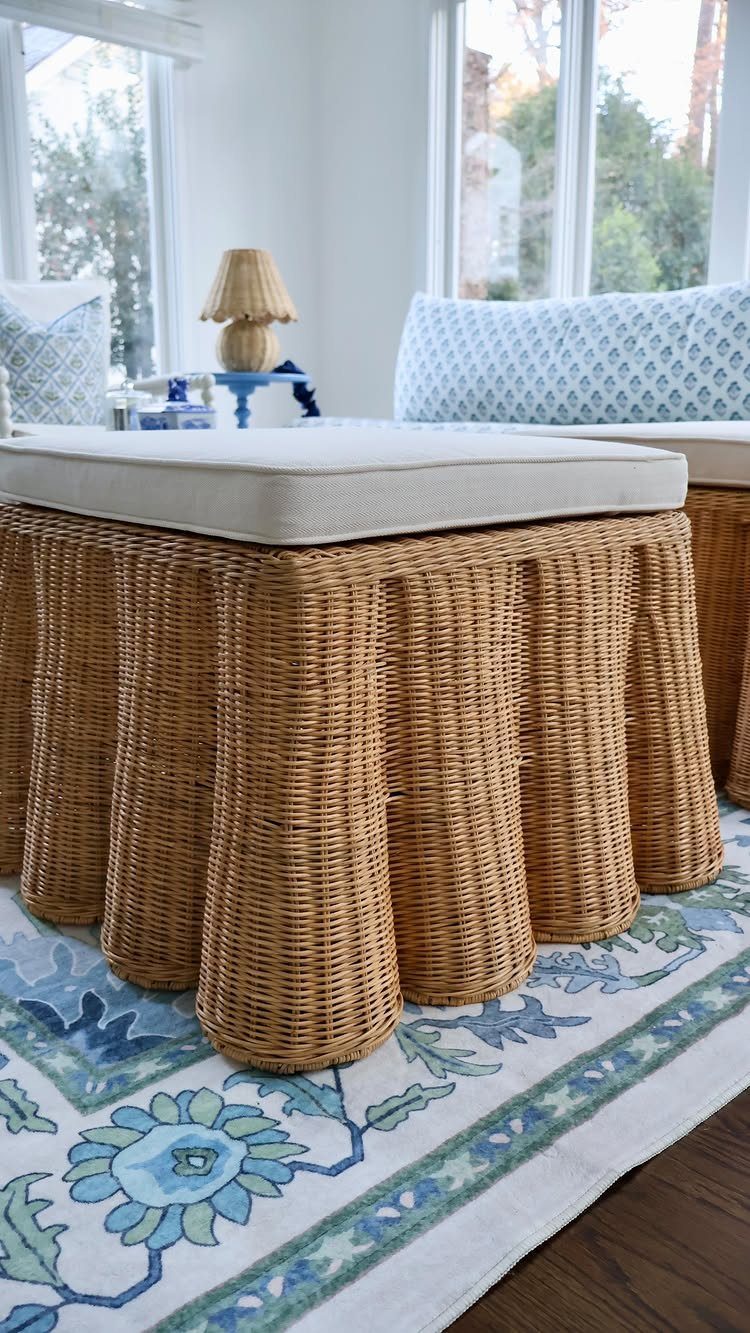
Scalloped edges give a simple wicker ottoman a finished look that suits natural rooms without adding color.
The texture of the weave brings in a craft detail, and the low profile works as extra seating or a footrest in front of a sofa.
Top it with a cushion if you plan to sit on it regularly. Bare wicker holds up fine under feet but can feel hard after a few minutes of sitting.
Wicker suits warm, dry rooms best. In humid climates it can warp or smell musty over time, so keep it away from windows that stay open.
13. Black Modern Accents
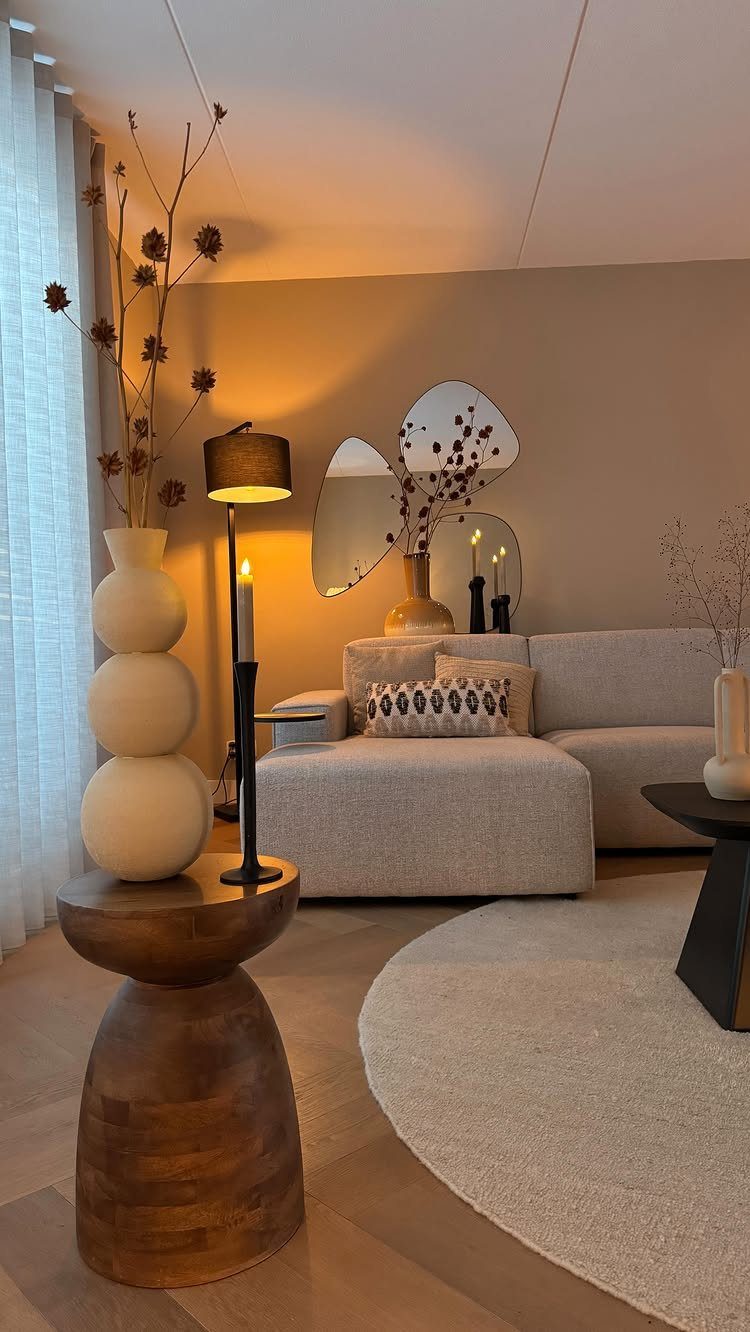
Black accents ground a room full of soft neutrals and organic shapes without adding pattern or busy detail.
A black lamp base, candle holders, or coffee table frame introduce contrast that makes beige upholstery and wood tones feel intentional instead of washed out.
Use black sparingly. One or two pieces anchor the palette, but too many dark accents in a small room can feel heavy.
Keep the black matte rather than glossy, so it reads as a natural material rather than a shiny finish that pulls focus.
Black metal frames or ceramic pieces work especially well next to curved furniture, because the hard edge balances the softness.
14. Grounded Neutral Shapes
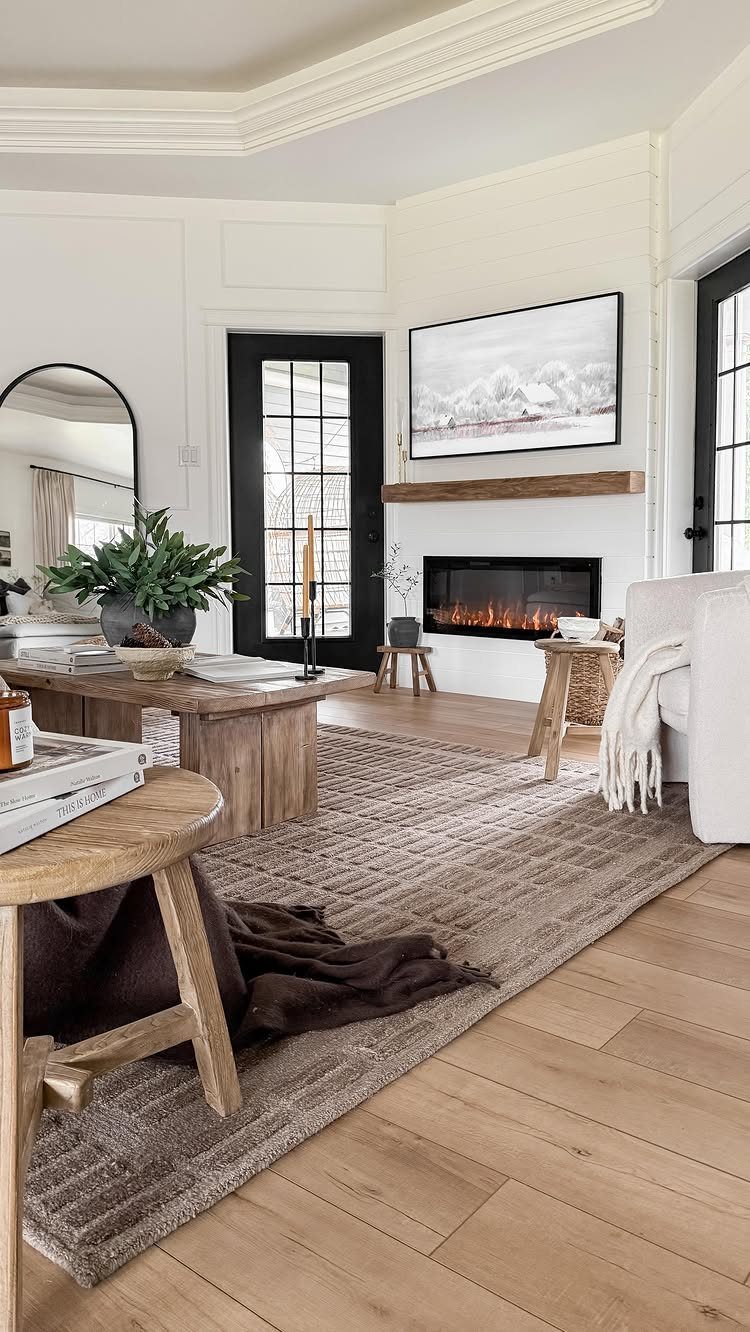
An arched mirror, rounded rug edges, or a chunky coffee table leg keeps a neutral room from looking flat when you’re working with just beige, brown, and wood.
Shape adds interest without introducing color, and mixing curves with straight lines gives the eye something to follow across the space.
Pair a tall arched mirror with low furniture, or set a textured rug under a simple wood table. The contrast in form is what makes each piece stand out instead of blending into the background.
If every piece in the room is rectangular, add one curved or organic element first and see if that’s enough before buying more.
15. Living Plants
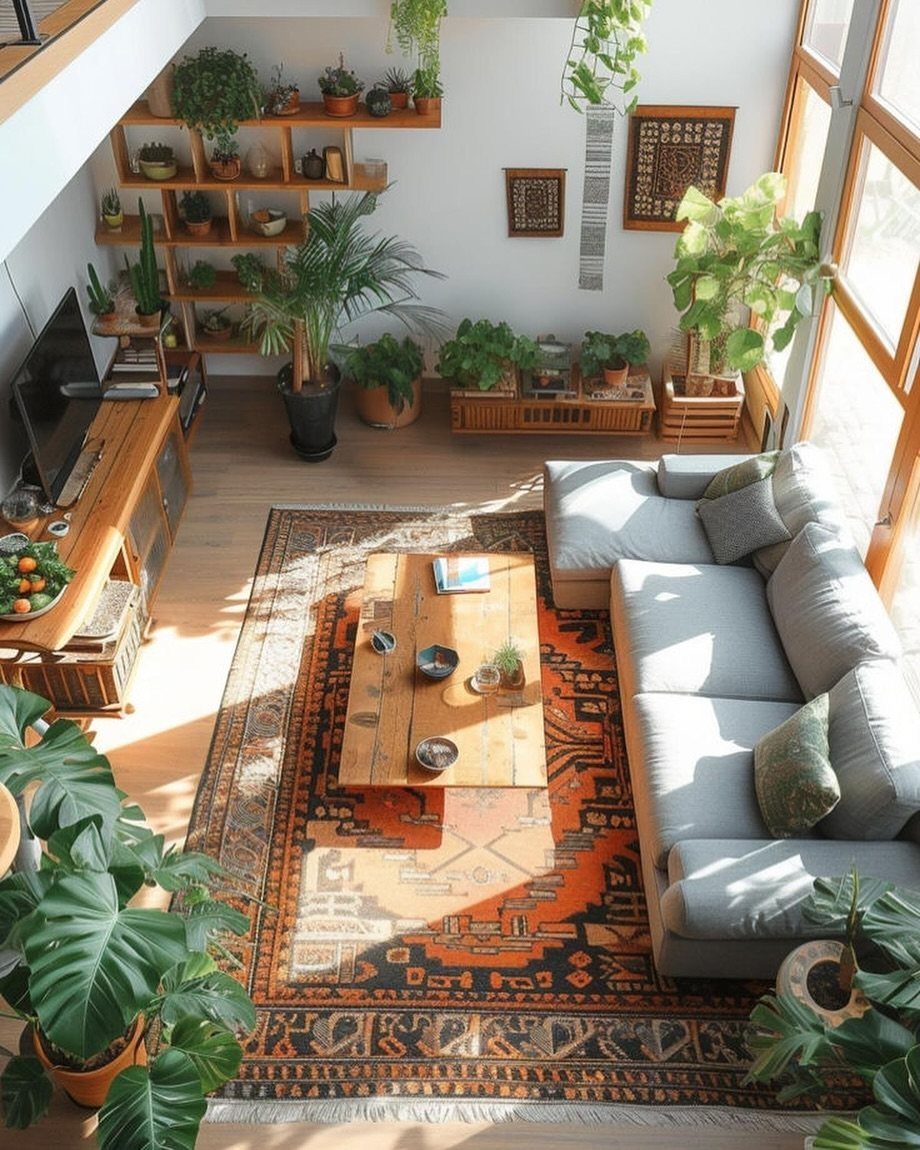
Potted plants bring in the one color a natural room can’t fake: living green.
Scatter them across shelves, the floor, and side tables rather than grouping them all in one corner, so the room feels filled with life instead of staged around a single plant moment.
Mix leaf shapes and heights.
A tall fiddle-leaf fig, trailing pothos, and compact succulents give you variety without taking up much floor space. The plants here sit at different levels, which keeps the green distributed across the whole room instead of stuck at one height.
Water them on a schedule and rotate pots near windows every few weeks, so growth stays even.
Care for Natural Features
Wood furniture and floors hold up longest when you wipe spills immediately and keep them away from heating vents that dry out the grain.
Unfinished or oil-treated pieces need fresh coats every year or two, but sealed wood can go several years between treatments if foot traffic stays light.
Stone surfaces often arrive sealed, but the finish wears down over time. Reseal countertops and accent walls periodically depending on the stone type, or hire someone if you’re working with porous materials like limestone that stain easily.
Green walls and large groupings of plants need consistent light and watering schedules you can actually keep. If a wall doesn’t get enough sun, growth stalls and leaves yellow within weeks.
Indoor water features look calming until algae builds up in the basin. Clean them weekly and use distilled water to slow mineral deposits.
Frequently Asked Questions
How to make your living room homey?
Add warmer wood tones, layer textures through pillows and throws, and swap small scattered art for one larger piece that anchors a wall.
If the room feels too monochromatic, bring in subtle color through muted landscape prints or botanicals with soft green undertones. Warm lighting from table lamps softens the space and highlights natural materials instead of leaving them flat.
What is an organic modern living room?
It pairs clean-lined furniture with natural materials like wood, stone, linen, and woven fibers in a neutral palette.
The style balances simplicity and warmth by keeping shapes understated while letting texture and tactile surfaces add interest. Natural lighting and living plants ground the room without cluttering it.
Does organic modern work with a fireplace?
Yes, but let the fireplace share visual weight with the rest of the room instead of competing for attention.
Angle seating toward the feature you use most, keep mantel styling restrained, and leave the stone or plaster visible rather than covering it with seasonal clutter.
Can black metal work in an organic modern room?
Black metal works best when it frames something rather than filling it. A matte black lamp base, picture frame, or slim table leg sharpens a neutral palette without pulling the room toward industrial.
Are faux plants okay in this style?
They work when real plants are not practical, but choose one large, realistic faux plant in a matte ceramic or woven pot.
Several small plastic plants with repeated shine and artificial color weaken the calm material palette that makes the style feel grounded.
What defines a nature-inspired living room?
It brings in wood, stone, plants, and natural light to create a soothing space that feels connected to the outdoors.
Materials are tactile and organic, colors stay neutral or earthy, and the room balances calm surfaces with living greenery that adds movement and life.
How can I introduce natural elements without extensive renovations?
Add potted plants at different heights across shelves and tables, bring in wooden trays or bowls, and hang botanical prints or landscape art in muted tones.
Swap one upholstered piece for linen or add a jute rug under your coffee table. These changes layer in natural texture and color without altering walls or floors.
What eco-friendly materials are suitable for living rooms?
Bamboo flooring, reclaimed wood furniture, and recycled glass decor bring sustainability into the room with unique textures and a story behind each piece.
These materials often cost more upfront and may offer fewer color options, but they are hypoallergenic and durable. Start with smaller accessories like bowls or trays before committing to larger items.