
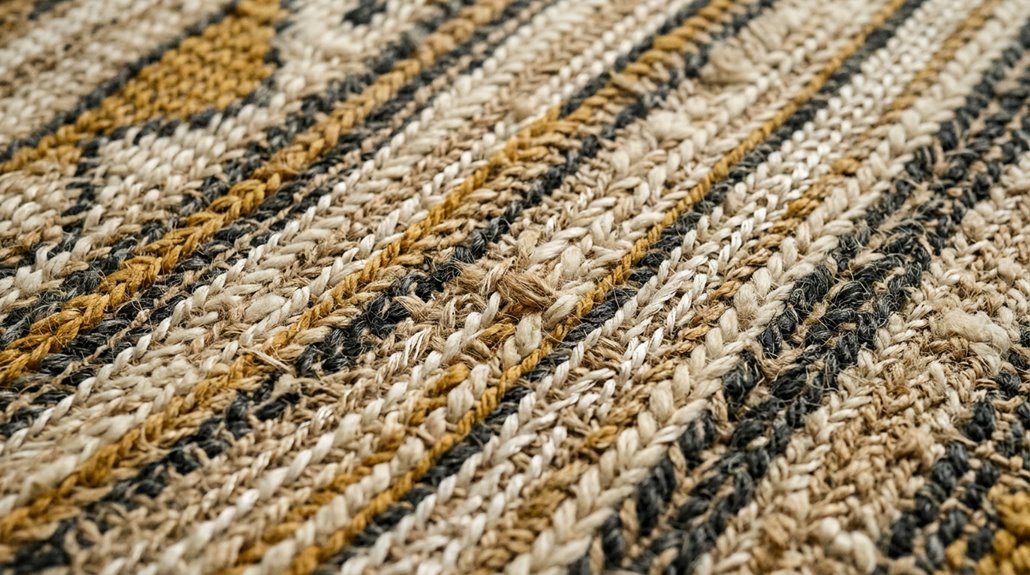
Rugs come from two main camps: natural fibers like wool, cotton, jute, and sisal that feel great but need extra care, or synthetics like polypropylene and polyester that shrug off spills and heavy foot traffic.
Natural materials look gorgeous with rustic warmth, yet they’re moisture-sensitive and stain-prone.
Synthetics are the practical workhorse of rug materials, budget-friendly and durable, though some cheap options off-gas chemicals.
The key is matching the right material to your specific needs and lifestyle.
Natural and Synthetic Rug Materials Explained
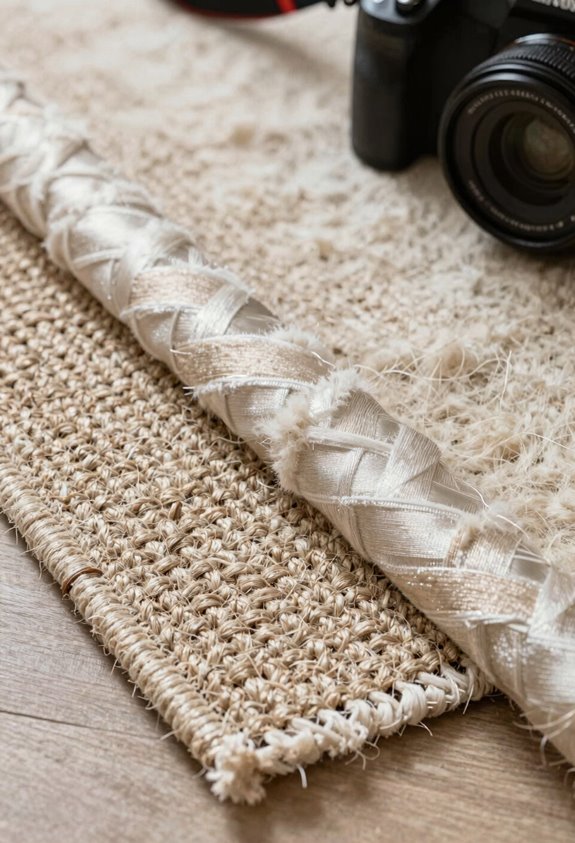
When you’re shopping for a rug, you’ve got two camps to choose from: natural fibers and synthetic ones. Each has distinct advantages and limitations.
Natural materials like wool, cotton, jute, sisal, and silk provide an authentic, earthy aesthetic. Wool offers superior durability, resisting crushing and burning. Jute and sisal deliver visual appeal but become problematic in humid conditions. Silk provides a luxurious feel, though it requires careful maintenance in high-traffic areas.
Blends offer an effective solution. Combining jute with cotton or synthetic fibers preserves natural aesthetics while improving moisture resistance. Synthetic fibers contribute durability as well, making them practical for busy households.

STURDY: Made from 560gsm polyester faux wool loop, this living room rug is highly wear-resistant for long-lasting use while remaining soft underfoot.

The handmade, hand-tufted construction adds durability to this rug, ensuring it will be a favorite for many years^Each rug is handmade with premium, hand-spun wool^This traditional rug will give your room an elegant accent^This rug measures 2' x 3'^For over 100 years, Safavieh has been crafting rugs of the higest quality and unmatched style
Why Rug Material Matters: Durability, Stains, and Comfort
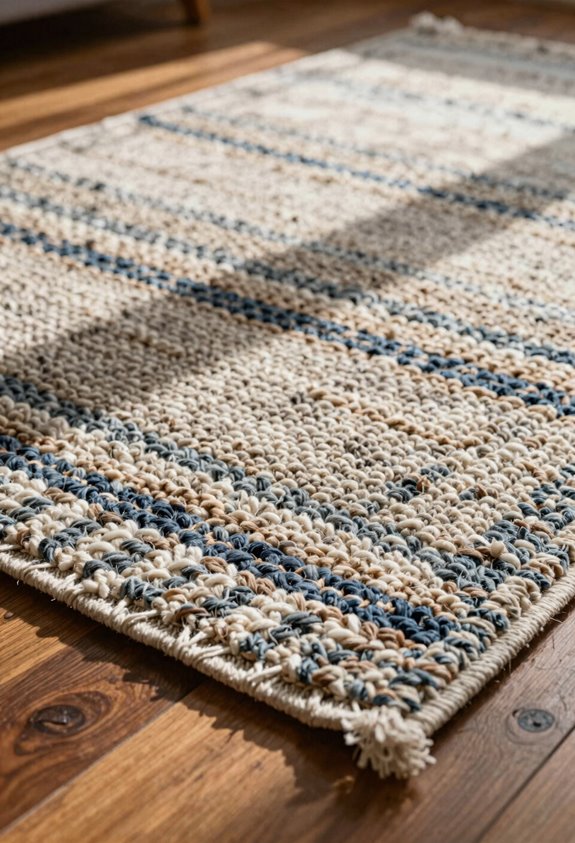
Picking a rug material impacts how long it’ll last, whether it’ll stain, and whether your feet will be comfortable walking on it every single day. You need to think about your lifestyle (is your hallway a high-traffic area?), your cleaning tolerance (do you worry over spills?), and what kind of comfort matters to you. Do you want that plush, soft feeling underfoot, or are you willing to sacrifice cushiness for durability that’ll survive your kids and pets without falling apart? The following breakdown shows how different materials actually perform in real life so you can make a confident choice and find a rug that works for your needs.

Non Slip Rubber Backing: Rubber backed outside rug, no more spend extra money buying a rug pad to stay it in place. These outdoor rugs have strong grip to the ground, not easy to be blown over by the wind. It's alao a great choice for areas with heavy foot traffic.

[COLOR & PATTERN]: SAFAVIEH's Monaco area rug features a pink-toned field with an ornate medallion, framed by a multicolor-toned floral border; actual color may appear darker or lighter than shown, depending on lighting and screen settings
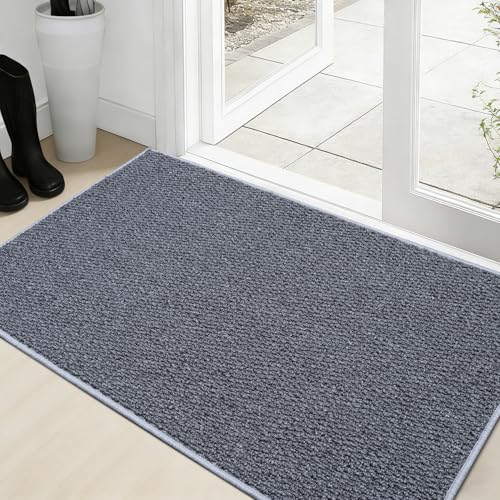
【MUD & DIRT TRAPPING DOOR MAT】- Not an ordinary door mat, but a deep-cleaning scraper mat. The unique, low-pile looped texture creates a 3D scraping surface that digs into soles to remove mud and grit, trapping it at the door to keep your floors clean. NOTE: The loop pile (Berber) construction may snag with sharp objects. NOT recommended for homes with pets that scratch
Durability Across High-Traffic Areas
Pick the wrong rug material for a busy hallway or family room, and you’ll watch it fall apart faster than expected. Choose wisely, and you’ve got a workhorse that lasts for years.
Wool, polypropylene, and sisal are your high-traffic solutions. Wool bounces back beautifully, polypropylene resists stains effectively, and sisal is extremely durable. Jute and seagrass offer durability too, but they’re softer and more delicate when moisture contacts them, making them unsuitable for households with kids or pets.
Synthetic fibers like nylon crush less easily and resist the matting that makes rugs look worn. Avoid cheap polypropylene; sun exposure degrades it, and aggressive vacuuming tears the fibers. Match your material to your lifestyle, and your rug will remain functional and attractive for years to come.
Stain Resistance And Maintenance
Your rug’s ability to handle spills, dirt, and the general chaos of daily life depends on what it’s made from. Polypropylene rugs are highly stain-resistant and withstand heavy foot traffic well. Wool naturally contains lanolin, a built-in protective substance that helps hide dirt between cleanings and reduces maintenance needs. Silk is beautiful but requires careful treatment in busy households. Natural fibers like jute are prone to staining and moisture problems, particularly in humid spaces. PET fibers, made from recycled polyester, resist stains quickly and dry fast, making them suitable for households with kids or pets. Selecting the right material significantly affects your cleaning routine and long-term maintenance requirements.
Comfort Versus Practical Performance
How do you choose between a rug that feels remarkable under your bare feet and one that’ll actually survive your household?
Wool and silk offer luxurious softness, but silk is delicate and high-maintenance, while wool holds up better in moderate traffic. Natural fibers feel amazing, yet they need more care.
Then there’s polypropylene. It’s budget-friendly, stain-resistant, and practically indestructible in busy spaces. The trade-off is that it lacks that plush luxury feel.
If your home has kids, pets, or constant foot traffic, polypropylene performs better practically. But if you have lower-traffic zones like a bedroom, investing in wool or silk gives you genuine comfort and durability. Pick what matches your life, not some Pinterest fantasy.
Choosing the Right Material for Your Room and Lifestyle
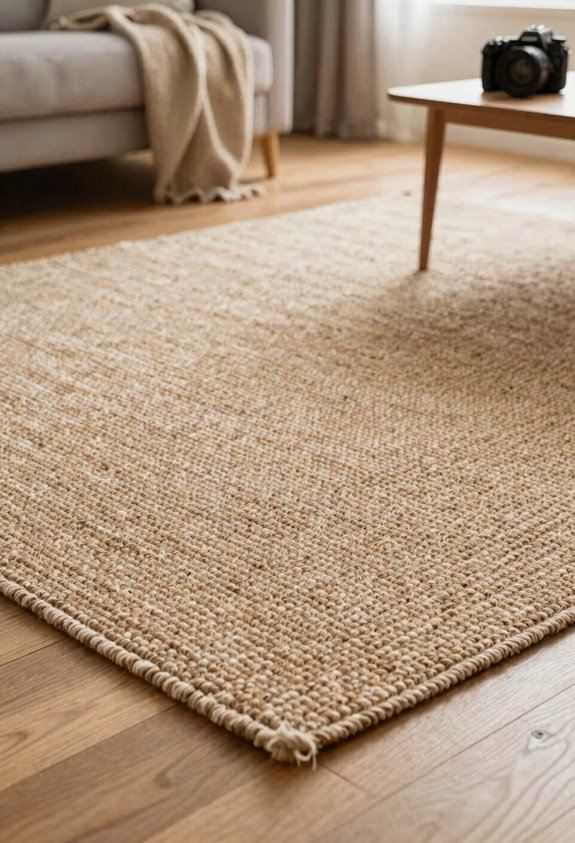
The material you choose for your rug makes all the difference. Your lifestyle should drive your decision. Got kids and pets? Polypropylene is your best choice. It’s durable, stain-resistant, and performs well when accidents happen. Love that cozy, natural vibe? Natural fibers like wool and jute offer gorgeous aesthetic texture, though they need more maintenance and perform poorly in damp conditions. Keep them away from moist rooms. High-traffic hallways demand tough rug materials; polypropylene and sisal withstand heavy footprints effectively. Craving luxury without extensive maintenance? Wool feels amazing and resists stains well. The real trick is matching what you want to touch against what your space actually needs. Pick wrong, and you’ll feel frustrated regularly. Pick right, and your rug will perform as intended.

100% NATURAL JUTE : This rug has been carefully handmade using 100% natural jute fibers, which can result in slight variations in color and weave. These variations add to the rug's individuality and uniqueness.

NATURAL SISAL - Crafted from 100% pure natural sisal fibers, this sisal rug delivers a clean woven texture with subtle variations that add character. A timeless natural rug aesthetic that pairs well with modern, rustic, or neutral decor.

Rug measures 22 x 60" (approximately 0.5" thick), made of durable 100% Jute, a shiny vegetable fiber spun into coarse threads.
Natural Fibers: Wool, Cotton, Jute, Sisal, and Seagrass
When you’re shopping for a natural fiber rug, you have several excellent options to choose from: wool, cotton, jute, sisal, and seagrass. Each brings distinct characteristics and benefits to a room.
Here’s what you should know about each:
- Wool bounces back beautifully and resists stains naturally, though it costs more
- Cotton feels soft and cleans easily, but flattens in busy spaces without rotation
- Jute gives you that warm, rustic vibe yet struggles with moisture
- Sisal handles high-traffic areas effectively, though it’s rough on bare feet
Seagrass works best for dry rooms where you want durability and that distinctive textured look. Your lifestyle and specific room conditions matter most. Consider your room’s humidity level and foot traffic patterns before selecting which natural fiber suits your needs.

Premium 4x6 Area Rug: Memory foam rug is made of Shu cotton pile, which is very soft and has good warmth retention; Inside the indoor rug is a memory foam pad that has good cushioning; Walking on this bedroom rug can give you comfort and peace of mind

Modern Boho Area Rug: The bedroom rug showcases a trendy floral design that blends geometric leaves and flowers. This modern rug is not printed, it is woven with 2 heights of piles. Lower height pile is 0.2 inches and higher height pile is 0.4 inches, making the patterns more 3D and vivid. Tips: The color of the geometric area rug may appear slightly different under different lighting conditions

Pile: Polypropylene - Backing: Cotton - Weave: Machine Made (Power-Loomed) - Made in: Turkey
Synthetic Options: Polypropylene, Polyester, and Recycled PET
If natural fibers feel a bit too finicky for your lifestyle, especially when you’ve got kids or pets, synthetic options might be your answer. Polypropylene rugs are budget-friendly and seriously stain-resistant, drying fast when accidents happen. Polyester offers that soft, shiny look, though it can mat in high-traffic spots. Recycled PET is durable, eco-friendly, and soft without environmental guilt.
Cheap polypropylene off-gasses VOCs (volatile organic compounds, basically unwanted fumes), degrades in sunlight, and feels slick underfoot. Higher-quality polypropylene or blends with natural fibers avoid these problems while keeping maintenance easy. Recycled PET or upgraded blends offer durability and stain resistance without compromising your home’s air quality.

A Great Choice for Home Decor: Crafted from 80% New Zealand highland wool+20% cotton, this rug adapts to seasonal temperatures—providing cozy warmth in winter and breathable coolness in summer. The natural lanolin-rich fibers resist static and repel mild moisture, maintaining ideal comfort year-round

【 Faux Wool Area Rug】Our faux wool area rug is equipped with upgraded thick non-slip backing, which tightly grips all floor types without sliding or curling edges. Non-shedding and safe for active households

80% Wool, 20% Viscose, made in India
When Certain Materials Work Best (and When to Skip Them)
Wool crushes it in high-traffic hallways and living rooms because it’s tough as nails, inherently resists stains, and keeps your feet warm, but it will cost you and might need professional cleaning periodically. Different spaces call for different materials.
- Polypropylene handles busy households with kids or pets effectively. It’s super affordable, stain-resistant, and dries fast.
- PET blends give you that practical combination of durability and quick-drying without breaking the bank.
- Jute looks gorgeous and natural, but moisture sensitivity makes it unsuitable for bathrooms or damp basements.
- Silk belongs in formal spaces where you’re not spilling anything. Skip it if you’ve got chaos happening.
Match your material to your lifestyle, and you’ll actually enjoy your rug.

Material: 60% Jute, 30% Wool, 10% Cotton, Made by skilled artisans in India

The high-quality wool pile adds durability and longevity to these rugs

Stylish Design: Hand-tufted in India, this stunning round area rug showcases exceptional craftsmanship and vibrant designs, making it a perfect addition to any room. The fusion of medallion and geometric patterns creates a stylish blend of classic, bohemian, and modern decor, while its plush feel ensures durability and comfort. Ideal for living rooms, bedrooms, or playrooms, this rug enhances the elegance of any space with its intricate detailing and rich colors.