
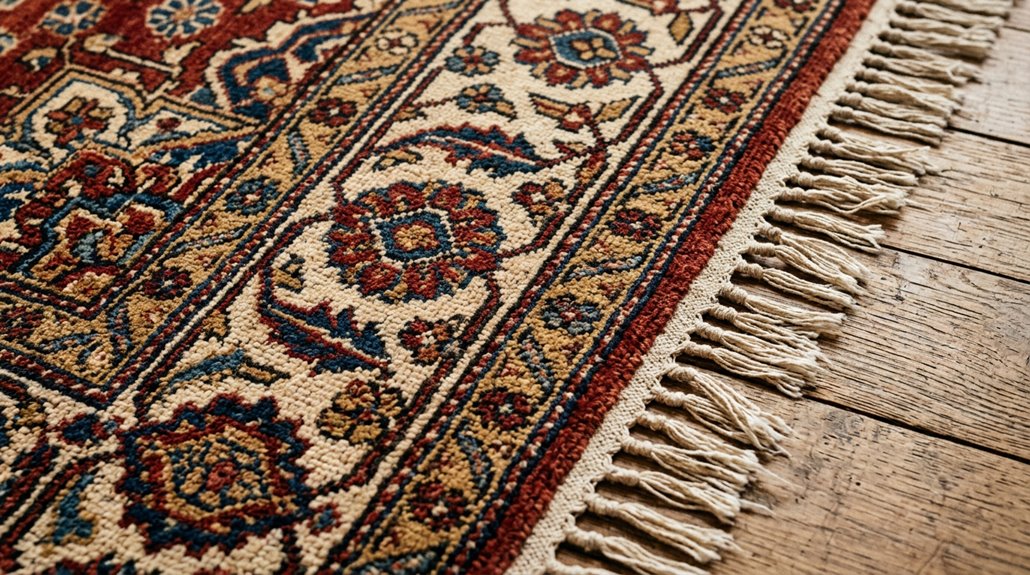
Oriental rugs are handmade treasures, not factory knockoffs, that have existed since at least the 5th century. Each region, including Persian, Turkish, and Caucasian areas, developed its own signature style.
Craftspeople tie individual knots by hand using natural materials like wool and silk, then dye them with plant-based colors that improve in appearance as they age.
The construction quality determines longevity; higher knot density produces sharper designs and superior durability.
Oriental rugs represent significant cultural artifacts with much to learn about their history and craftsmanship.
What Defines an Oriental Rug: Beyond Appearance
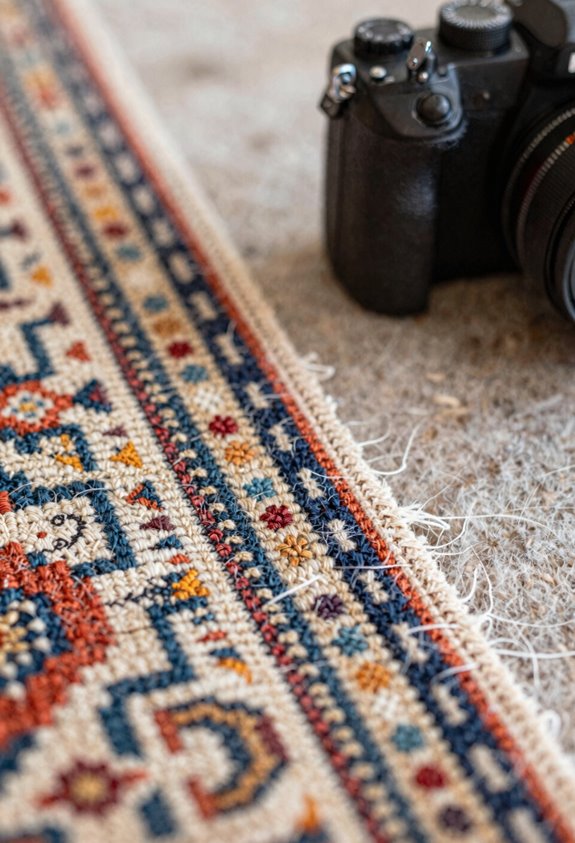
How do you identify a real Oriental rug versus an imitation? The distinction lies in construction rather than appearance alone. Real Oriental rugs are handmade, a characteristic that fundamentally affects their quality. Examine the back-of-rug structure first by running your fingers across it to feel individual knots. This tactile inspection reveals the rug’s authenticity. Knot density indicates the level of skill invested in the piece; higher density reflects superior craftsmanship. Fiber quality matters significantly. Genuine wool, cotton, or silk outperforms synthetic materials. Natural dyes produce authentic colors that synthetic alternatives cannot replicate. Regional provenance provides essential context. Knowing whether a rug originates from Persia, Turkey, or the Caucasus connects it to established weaving traditions rather than mass-produced imitations.
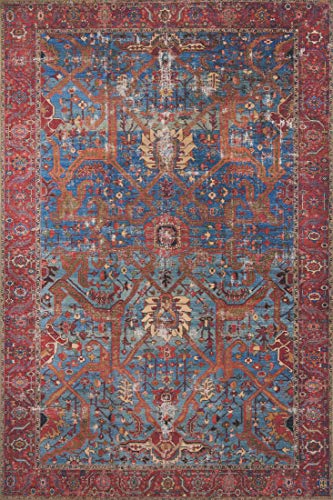
Timeless and classic, the Loren collection offers vintage hand-knotted looks at an affordable price..Construction type:Machine Made

[COLOR & DESIGN]: SAFAVIEH's Blossom rug spreads a Persian floral in green over multi; its 5/8" pile is soft and dense in a living room; color and pattern contrast may look different in person, and shade can vary depending on lighting and screen settings.

Design: A collage of classical Persian floral panels framed by a richly detailed palmette border, offering an eclectic take on heritage parlor design. This version pairs beige with burgundy. Expect the tone to shift with your light and screen settings
Oriental Rugs vs. Persian Rugs: Key Distinctions
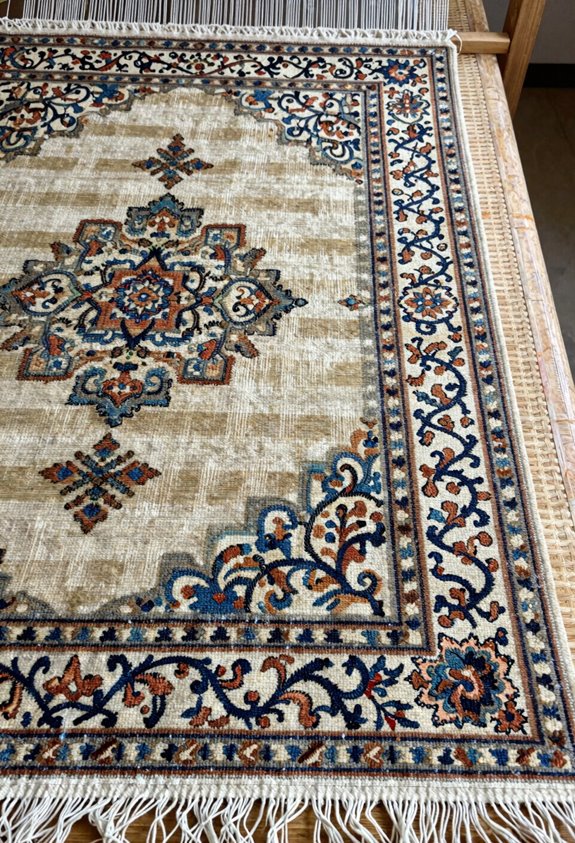
Oriental rug is the broader umbrella term that covers Persian rugs along with Turkish, Caucasian, and other regional styles from Asia and the Middle East. Every Persian rug fits under Oriental, but not every Oriental rug is Persian. Think of it this way: all Persian rugs are Oriental rugs, but calling every Oriental rug Persian would be like calling all rectangles squares, which is technically incorrect. The real distinction comes down to where and how they’re made. Persian pieces carry Iran’s specific weaving traditions and design DNA, while Oriental rugs encompass the whole family of hand-knotted traditions across different regions, each with their own signature techniques and cultural heritage.

MODERN STYLE: This unique design accent rug updates any kitchen, bedroom, dining room, or living space in your home. Welcome family and friends with a vibrant and inviting area rug that will blend with your carpet and home decor or be the centerpiece of any room.

Machine woven in China with Polyester fibers for maximum durability and softness.

FEATURES: Handmade feel home decor rug, machine-made durability. Kid & pet friendly
Scope And Geographic Reach
Where exactly does one rug end and another begin when discussing Oriental versus Persian rugs. Persian rugs are hand-knotted treasures from Iran, representing one specific regional weaving tradition within the much broader Oriental rug family. All Persian rugs are Oriental rugs, but not every Oriental rug comes from Persia. Oriental encompasses Turkish, Caucasian, and countless other weaving centers across Asia and the Middle East, each with their own knot density standards, natural fibers preferences, and design languages. When selecting rugs, specialists help distinguish between regions rather than lumping everything together. This specificity matters; it separates genuine regional weaving heritage from oversimplified marketing speak.
Regional Heritage And Lineage
Once you understand that Persian rugs are just one branch of the Oriental family tree, things get more interesting because now you’re not just buying a rug, you’re connecting with a specific place and people who’ve been perfecting their craft for centuries. Each weaving center, such as Isfahan, Tabriz, and Heriz, develops its own signature style, like regional accents in a language. Persian knot techniques and higher knot density set Persian rugs apart from Turkish or Caucasian traditions, which use different methods entirely. When you trace a hand-knotted rug back to its village or tribal group, you’re discovering authentic provenance that tells you exactly where your regional heritage comes from. This specificity demonstrates the tangible connection between a rug’s origin and the collector’s understanding of its cultural significance.
The Origins of Oriental Rug Weaving: From Pazyryk to Present
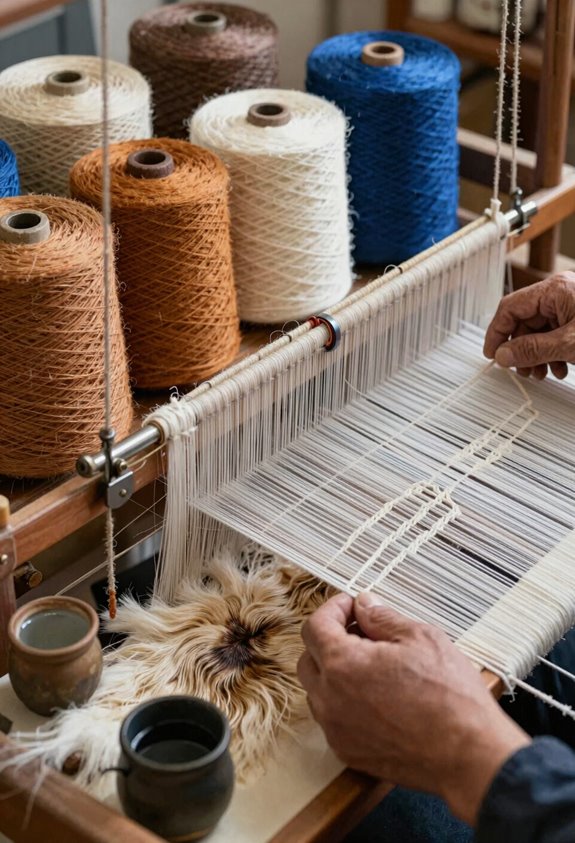
When you trace rug weaving back through history, the timeline is remarkable. The Pazyryk carpet from the 5th century BCE demonstrates that people were already making sophisticated pile rugs, the fuzzy, knotted kind, far earlier than previously thought. The medieval period reveals Turkish carpet fragments with geometric patterns and kufic borders, indicating that regional styles were developing distinct characteristics before rugs became international trade objects. The knotted-pile technique itself evolved as craftspeople learned to hand-knot wool, cotton, or silk onto warp and weft structures, which form the grid underneath. This technique created incredibly durable patterns, and once the skill spread along trade routes, different styles emerged from villages, tribes, and royal courts, each developing their own approach.

[COLOR & DESIGN]: SAFAVIEH's Blossom rug spreads a Persian floral in green over multi; its 5/8" pile is soft and dense in a living room; color and pattern contrast may look different in person, and shade can vary depending on lighting and screen settings.

SIZE: 4' W x 6' L , Pile height is 0.50 inches (Medium Pile)

Design: A quiet tonal striation that behaves like a heathered solid, grounding modern and transitional spaces. Tone shifts with light and screen, and the pile has a light side and a dark side - face the side you prefer toward the main entry
Early Evidence And Pazyryk
How do we know where Oriental rugs came from? The Pazyryk rug is our smoking gun. Found in the Altai Mountains and dated to the 5th century BC, it’s the earliest confirmed hand-knotted pile rug we have, and it represents a remarkable archaeological discovery.
| Discovery | Time Period |
|---|---|
| Pazyryk rug | 5th century BC |
| Turkish carpets | 13th–14th century |
| Fostat fragments | Early medieval |
| Nomadic weaving | Ancient times |
| Urban workshops | Medieval era |
These early rugs used knotted pile techniques, meaning weavers tied individual knots around warp and weft threads to create texture. This method differs fundamentally from flat-weaving approaches. The shift from nomadic, homemade weaving toward town manufactories marks a crucial development. That transition enabled rugs to become larger, more elaborate, and standardized in production. The early rug diffusion across Central Asia into the Middle East established the foundation for Oriental rug traditions.
Medieval Turkish Carpet Fragments
The Pazyryk rug showed us that hand-knotted pile rugs existed way back. Medieval fragments discovered in Konya, Beyşehir, and Fostat provide crucial evidence about how carpet weaving evolved:
- Urban workshop production replaced nomadic settings, with looms reaching up to six meters long
- Geometric patterns and kufic borders dominated designs, using blues, reds, and greens in subdued tones
- Higher knot density showed specialized craftsmanship compared to earlier nomadic pieces
These medieval Turkish carpet fragments from 13th–14th century Anatolia reveal organized, town-based manufacturing. The evidence demonstrates a shift from nomadic production to professional weavers working in established urban centers.
Technique Development Through Centuries
Over thousands of years, weavers developed new techniques to strengthen their rugs, enhance their appearance, and increase design complexity. Urban workshops in places like Konya and Beyşehir sparked regional specialization, allowing different areas to develop their own distinctive styles. The knotted pile method expanded as weavers incorporated extra-weft wrapping techniques, creating soumak and loop weaving options that provided greater design flexibility. These innovations emerged from generations of artisans working in organized urban workshops who continually refined their methods. This technical advancement spread across regions, blending traditional practices with experimental approaches. Through this process, weaving evolved into the sophisticated craft recognized today.
How Geography Shapes Oriental Rug Design and Structure
When you look at an Oriental rug, you’re looking at a map of where it came from. Geography determines everything about how a rug gets made and what it looks like.
When you look at an Oriental rug, you’re looking at a map of where it came from. Geography determines everything about how a rug gets made and what it looks like.
Several factors demonstrate this connection:
- Knotting traditions vary by region. Persian knots are fine and delicate, while Turkish knots are built for durability.
- Pile materials depend on what’s available locally, from wool to silk, affecting how soft and shiny your rug feels.
- Dye sources like madder root or indigo create signature color variations unique to each area.
The regional design language shows up in specific patterns. Persian rugs feature central medallion patterns, Caucasian pieces showcase geometric motifs, and Turkish designs tell their own visual story. These choices reflect the geographic origins and cultural traditions of each region.
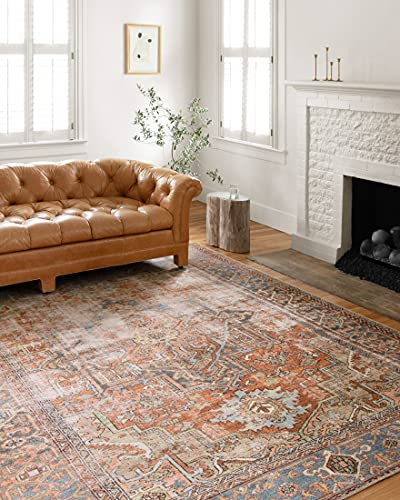
Timeless and classic, the Loren collection offers vintage hand-knotted looks at an affordable price..Construction type:Machine Made

Neutral pH Formula: Specially formulated shampoo designed specifically for cleaning delicate wool rugs, carpets, and specialty textiles without damaging sensitive dyes or fibers, ensuring safe and effective cleaning for your valuable oriental rugs

Exact Rug Size in Feet and Inches: 2'0" x 3'0"
Materials That Define Quality Oriental Rugs
Material quality separates a rug you’ll love forever from one that will fall apart in a few years. Understanding the fibers and foundations reveals why some rugs cost significantly more than others.
Wool is the backbone of quality rugs due to its durability and warmth. A cotton foundation keeps everything structurally sound, while natural dyes such as madder reds and indigo blues create colors that age beautifully. Higher knot density produces sharper designs and longer lifespan, which matters when making a significant investment. Your warp and weft determine stability, and pile material affects comfort underfoot. Understanding these components directly impacts your purchasing decisions.

The handmade, hand-tufted construction adds durability to this rug, ensuring it will be a favorite for many years^Each rug is handmade with premium, hand-spun wool^This traditional rug will give your room an elegant accent^This rug measures 9' x 12'^For over 100 years, Safavieh has been crafting rugs of the higest quality and unmatched style
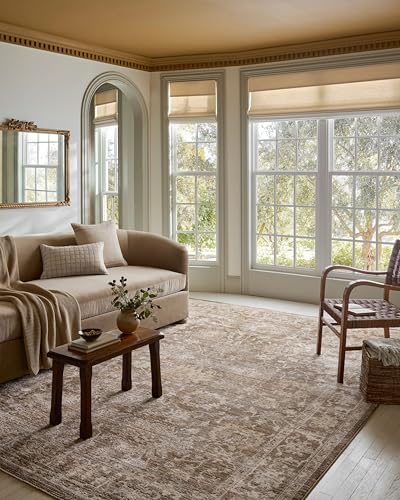
Traditional Area Rug: The Pace Collection is a traditional area rug with a neutral color palette that works in any room of the home; designed by Magnolia Home by Joanna Gaines x Loloi.

[DESIGN & PILE]: SAFAVIEH's Heritage rug centers a traditional medallion in multi on burgundy, and its 5/8" pile is dense and even underfoot in a living room, dining room or bedroom.
Hand-Knotting Techniques: The Heart of the Craft
I’ve identified the hand-knotted rug characteristics that separate authentic pieces from mass-produced alternatives. The distinction lies in the knots themselves and the regional variations in tying techniques. Turkish knots, called Ghiordes, tie symmetrically around two warps, while Persian knots, called Senneh, wrap asymmetrically around one warp and under another. This fundamental difference affects the rug’s appearance and durability over time. After knotting completion, the edge and pile finishing methods determine whether you’re examining genuine handwork or factory production.

Perfect for Dining Room, Living Room, Bedroom. Lightweight and low profile. No Additional Rug Pad Needed. Spot clean with mild soap. Vacuum Regularly.

Authentic Handmade Craftsmanship – Expertly hand-knotted by skilled artisans in classic Turkish Oushak style, making each 4' x 6' rug a one-of-a-kind piece of art for your home.

Designed to withstand everyday wear, this 5' 3 x 8' area rug is the perfect size for living rooms, dining rooms, and bedrooms, or anywhere you want to add a touch of timeless elegance.
Knot Types and Regional Traditions
Turkish Ghiordes knot (symmetric, super tight and structured)
- Persian Senneh knot (asymmetric, allowing finer detail work)
- Knot density (KPSI) (basically how many knots per square inch; higher means finer, more durable rugs)
These differences matter because they shape how the warp and weft foundation gets tied, affecting everything from durability to design clarity. Regional knotting traditions developed over centuries, creating distinct styles that become identifiable once you understand the technical differences. Hand-knotted pile rugs from different areas display characteristic features based on their regional origins.
Pile Construction and Finishing Methods
| Step | What It Does |
|---|---|
| Hand-knotted Construction | Ties yarn around warps to create dense surface |
| Beating & Securing | Compacts knots and forms the pile |
| Finishing | Shearing, washing, stretching for clarity |
Knot density, measured in KPSI, directly impacts pattern sharpness and rug longevity. Wool pile materials are standard, though silk elevates finer pieces. Natural dyes from madder and indigo create the abrash variations characteristic of quality rugs. After weaving, finishing steps such as shearing and washing perfect the pile height and secure the structure.
Natural Dyes and Why Colors Deepen Over Time
Why do the oldest Oriental rugs seem to glow with this deep, almost jewel-like richness that you just can’t replicate with modern dyes? Natural dyes age beautifully, and this transformation occurs through a well-documented chemical process.
Natural dyes age beautifully through oxidation, creating the deep, jewel-like richness found in century-old Oriental rugs.
Weavers traditionally used:
- Madder root for reds that deepen gorgeously over decades
- Indigo for blues that mellow into sophisticated navy tones
- Onion skins and chamomile creating warm, evolving yellows
Color aging happens because natural dyes shift as they oxidize; they literally transform. Iron mordants (chemical fixatives, basically) can darken areas too. Abrash, those intentional color variations between dye batches, signals authenticity and deepens beautifully with time. This mellowing and darkening separates century-old rugs from new ones. The color shifts in textiles provide a visible record of aging, allowing collectors to assess the age and authenticity of pieces through their chromatic evolution.

Material: 80% Wool, 20% Cotton, Made by skilled artisans in India

Safavieh's Antiquities Collection evokes the old world style and quality with modern hand tufting techniques. These rugs bring traditional sophistication and the authentic look and feel of 19th century Persian rugs. These rugs are made from 100% premium, hand-spun wool, and employ ancient pot-dying techniques to give them their authentic look. The soft palettes and open fields make these rugs easy to match to any decor. Each rug has a dense, soft pile, and excellent quality, to ensure that you will enjoy the look and feel of your rug for years to come.

RUGS OF QUALITY: Allen Home Wool Area Rug is crafted with utmost care and precision. The Handcrafted Wool Rugs are made from 100% Wool Pile and are Yarn-dyed and washed which provides you with a layer of exceptional softness and immaculate quality. In addition, the back of the rugs is made from 100% Cotton with Natural Latex/Latex adhesive backing helping your rugs maintain their shape and also giving off a vibrant, lasting color to your area rugs.
The Oriental Rug Weaving Process: Loom to Home
Ever wonder how those intricate patterns actually get into a rug without some kind of magic involved? The answer is simple: knot by knot, literally. Weavers stretch wool (and sometimes silk for fancy pieces) across a loom, then hand-knot individual strands into the foundation. Watching this process is mesmerizing, though the repetitive work requires exceptional patience and skill.
The knot density, basically how many knots pack into each square inch, determines everything: sharper details, richer colors, higher value. More knots mean more work, which means greater craftsmanship and value recognition among rug enthusiasts.
After weaving comes the finishing process. Workers clip the pile to even it out, wash it to bring out the dyes, and secure the borders tight. Flip one over and the knotwork reveals the rug’s construction quality.

Exact Rug Size in Feet and Inches: 12'2" x 15'0"

[Machine Washable Rug] - Offering endless convenience for every lifestyle, our bedroom rug is safe in the washing machine. Also for daily cleaning with vacuum cleaner, broom, or wipe. Tips: Wash in cold water with mild detergent; Do not use chlorine or bleach; Tumble dry on low heat or lay to air dry.

-- VINTAGE RUG ROOM DECOR -- These vintage-inspired Indian area rugs add a rustic yet modern accent to any room. A fusion of traditional and tropical elements in blue, turquoise, rust and green color that can blend with any room decor in your space
Reading Motifs and Symbolism Woven Into Design
Now that you understand how weavers actually create those rugs, knot by knot with remarkable patience, you’re ready to decode what they’re actually saying. Every motif tells a story. Symbols like the Tree of Life represent continuity and growth, while Boteh designs signal fertility and renewal. You’re holding cultural beliefs in your hands.
The motif language works like this:
- Central medallions and border details guide your eye and reveal workshop traditions
- Geometric patterns in Caucasian rugs differ from floral designs in Persian pieces
- Motif spacing and color choices act as provenance clues; experts trace rugs to specific villages this way
Understanding these patterns connects you with people who appreciate these textiles at a deeper level.

Design: An intricate botanical damask field balances classical vine work with traditional textile character. Tone shifts with light and screen, and the pile has a light side and a dark side - face the side you prefer toward the main entry
Timeless and classic, the Loren Collection offers vintage hand-knotted looks at an affordable price.Construction type:Machine Made

[DURABLE HANDMADE CONSTRUCTION]: Hand-tufted by skilled artisans for a truly unique textured look and feel
Why Handmade Construction Creates Lasting Durability
If you’ve ever owned a machine-made rug that started falling apart after a few years, you understand why handmade Oriental rugs are completely different. Hand-knotted rugs are tied knot by knot onto a warp and weft foundation, creating incredibly high knot density that machine-made versions cannot match. When artisans use natural fibers like wool or silk, they build something that genuinely improves with age.
You can verify this by flipping your rug over. The back reveals that intricate knotting pattern, showing the construction quality. The finishing and care process also matters significantly; careful shearing, washing, and stretching by skilled hands strengthens the entire structure. These rugs last generations, not years.

HAND KNOTTED CRAFTSMANSHIP: Expertly crafted using the traditional Turkish knot technique, ensuring exceptional durability and an authentic Oriental rug construction.

Striking Tibetan Tiger Look – Our tiger rug pulls its cues from classic Tibetan art, layering bold stripes over southwestern arrows and diamonds for a statement piece that works in any rustic cabin or boho loft

HAND KNOTTED CRAFTSMANSHIP: Expertly crafted using the traditional Turkish knot technique, ensuring exceptional durability and intricate detailing throughout.
How to Spot Authentic Craftsmanship
Understanding a rug’s durability is important, but authenticity is what matters most. You want to know if you’re buying a genuine piece or a knockoff masquerading as authentic.
Spotting genuine hand-knotted craftsmanship comes down to a few telltale signs. When you’re inspecting a rug, flip it over and check these things:
- Fringe integrity: Real hand-knotted rugs have fringes that are integral to the warp, not sewn on later
- Knot density: Tightly formed knots on the back reveal serious time and skill investment
- Back examination: Look for even warp/weft alignment, which indicates quality craftsmanship
You’ll also notice natural dyes create abrash variations (color shifts across the field), while synthetic dyes look unnaturally uniform. The beautiful asymmetry in hand-knotted rugs is a reliable indicator of authenticity.